The rowan tree: a magical, edible, and protective icon of northern folklore
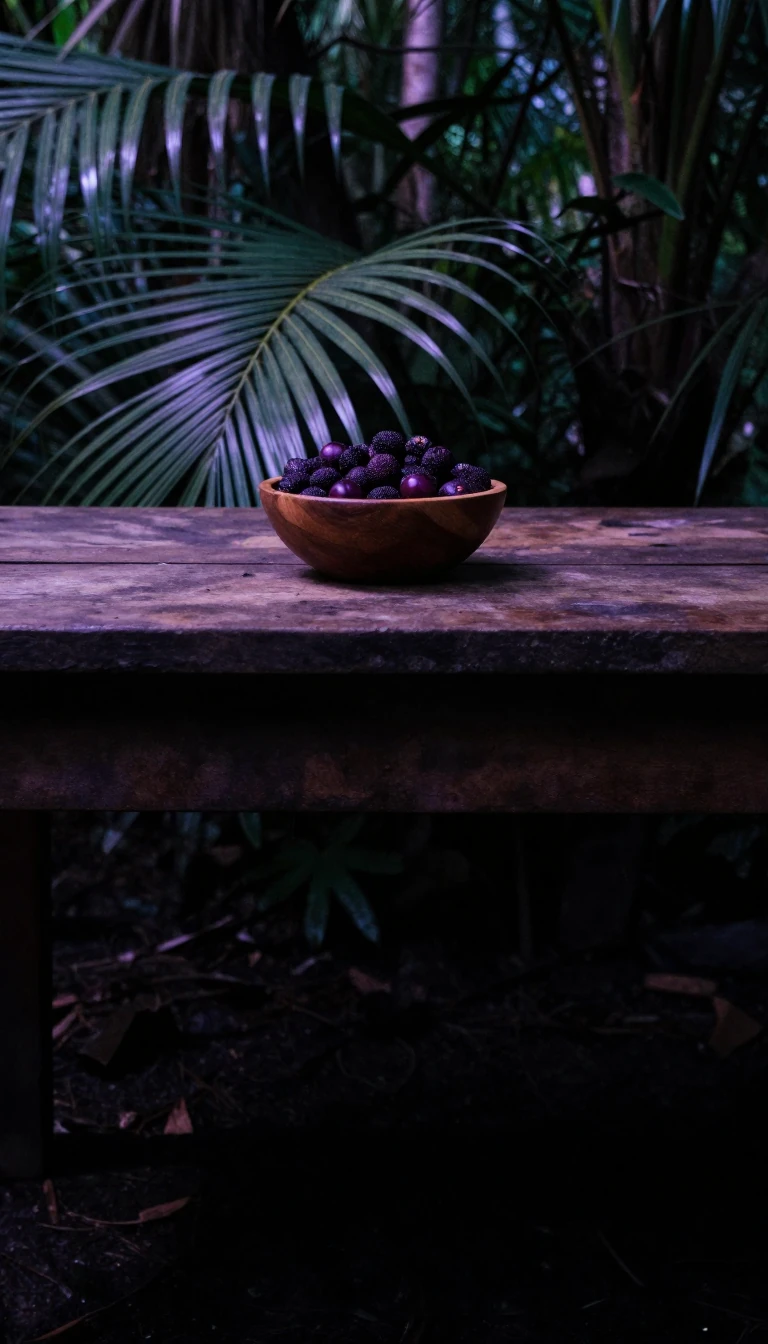
In short: Known for its vibrant red berries and ancient reputation as a shield against malevolent forces, the rowan is far more than a common garden tree. From Norse mythology to Celtic traditions, this hardy species has served as a portal, a protector, and a traditional food source across the Northern Hemisphere.
The rowan, or mountain-ash, belongs to the genus Sorbus within the rose family. While often mistaken for true ash trees due to leaf shape, rowans are distinct, with leaves arranged alternately rather than oppositely. These trees are remarkably hardy, thriving as far north as 71 degrees in Arctic Norway. Their most striking feature, the bright red or orange fruit, is technically a pome rather than a berry. These fruits are a vital food source for birds like waxwings and thrushes, which play a key role in seed dispersal.
Historically, the rowan has been steeped in myth and ritual. In Norse tradition, the goddess Sif is linked to the tree, and it is called the 'salvation of Thor' because the god once clung to one to save himself. In Irish folklore, the tree appears in the Fianna Cycle, where a magical rowan guarded by a giant provides both sustenance and a site of conflict for the lovers Diarmuid and Grainne. Victorian folklorists documented the tree's reputation for apotropaic powers, believing it could ward off witches and fairies when planted near gates or doors.
Beyond folklore, the rowan has practical culinary uses. The fruit contains parasorbic acid, which causes indigestion, but heat treatment or freezing renders it safe and edible. In Britain and Scandinavia, the berries are traditionally used to make jellies, jams, and alcoholic beverages like schnapps or vodka. Despite persistent folk beliefs—such as the idea that a heavy fruit crop predicts a harsh winter—scientific observation shows that fruit production is actually tied to the previous summer's weather, reflecting stored sugars rather than future meteorological trends.
The tree's cultural footprint extends into modern literature and language. J.R.R. Tolkien featured the rowan in The Two Towers, naming an Ent 'Quickbeam' after the tree's old English name, cwic-bēam. Whether serving as a 'portal tree' in Neo-Druidism or as a source of dense wood for tool handles, the rowan remains a deeply significant, albeit often misunderstood, fixture of the northern landscape.
Opens the Intellect+ feed with this card first. Swipe up for the next one.
Sources
- Summary by Intellect · source: Rowan
To cite this card, link to https://intellectplus.co.uk/app/food-rowan.
How we source, check and correct cards: Editorial standards.
General information, not professional advice. Spotted an error? Flag the card or see corrections and complaints.
Intellect Plus is a visual educational discovery platform for exploring fascinating facts and ideas. Brain Food, Not Brain Rot. What is Intellect Plus?
Related
More in UK & Ireland: food · More in Food & Drink · Latest · A–Z · All topics
