Beyond the haggis: how geography and history shaped the unique Scottish culinary landscape
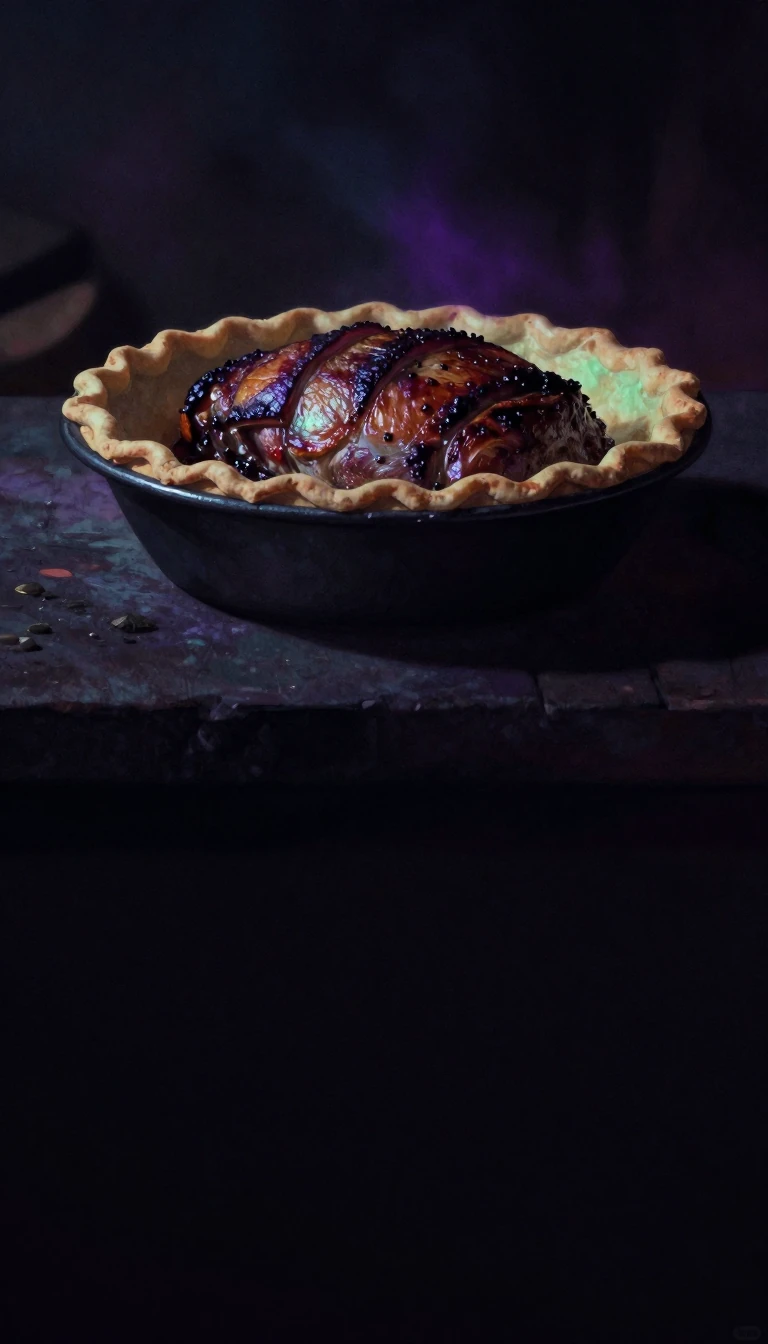
In short: Scottish cuisine is defined by a natural larder of oats, seafood, and game, shaped by centuries of feudal restrictions and French influence. From the practical necessity of portable oatmeal to the modern fusion of haggis pakora, Scotland’s food history reveals a resilient culture defined by thrift, adaptation, and unexpected global exchanges.
Traditional Scottish cooking is rooted in the country's temperate climate and abundant natural resources. For millennia, settlers relied on oats, barley, and seafood, with oats serving as the primary carbohydrate long before the potato arrived via Sir Walter Raleigh. Because meat was historically expensive, the medieval diet focused on dairy, eggs, and pottage made from roots and herbs. Feudal laws further restricted access to game, reserving venison and boar for the elite, while the lower classes made use of every part of an animal to ensure nothing went to waste.
The mobile nature of early Scottish society necessitated food that could withstand travel, leading to the development of portable staples like oatcakes and the iconic haggis. While often associated with sheep or pig stomachs, the origins of haggis remain debated, with theories ranging from a practical method for carrying offal to a preservation technique introduced by Norse invaders. Later, the 'Auld Alliance' with France brought significant culinary shifts. When Mary, Queen of Scots returned from France, her entourage introduced new terminology that persists today, such as 'ashet' for a large platter and 'collop' for a slice of meat.
The 18th and 19th centuries saw the commercialization of Scotland's larder, as land enclosure and railways turned grouse hunting into a premium industry. By the 20th century, immigration from Italy, the Middle East, and South Asia dramatically altered the landscape, introducing new spices and fresh produce standards. Today, this history of adaptation continues through modern fusions like the haggis pakora, even as the country grapples with the health impacts of the late-20th-century rise in convenience foods and fast-food chains like McDonald's and Greggs.
Regional identity remains a point of pride and light-hearted contention, particularly regarding chip shop culture. While the battered haggis supper is a national favorite, the debate over condiments highlights local differences: Edinburgh residents favor a specific brown sauce thinned with vinegar and water, a concept often viewed with confusion by those in Glasgow who prefer traditional salt and vinegar or ketchup.
Opens the Intellect+ feed with this card first. Swipe up for the next one.
Sources
- Summary by Intellect · source: Scottish cuisine
To cite this card, link to https://intellectplus.co.uk/app/food-scottish-cuisine.
How we source, check and correct cards: Editorial standards.
General information, not professional advice. Spotted an error? Flag the card or see corrections and complaints.
Intellect Plus is a visual educational discovery platform for exploring fascinating facts and ideas. Brain Food, Not Brain Rot. What is Intellect Plus?
Related
More in UK & Ireland: food · More in Food & Drink · Latest · A–Z · All topics
