Seasoning is not about adding flavor, but about making the original ingredients shine brighter.
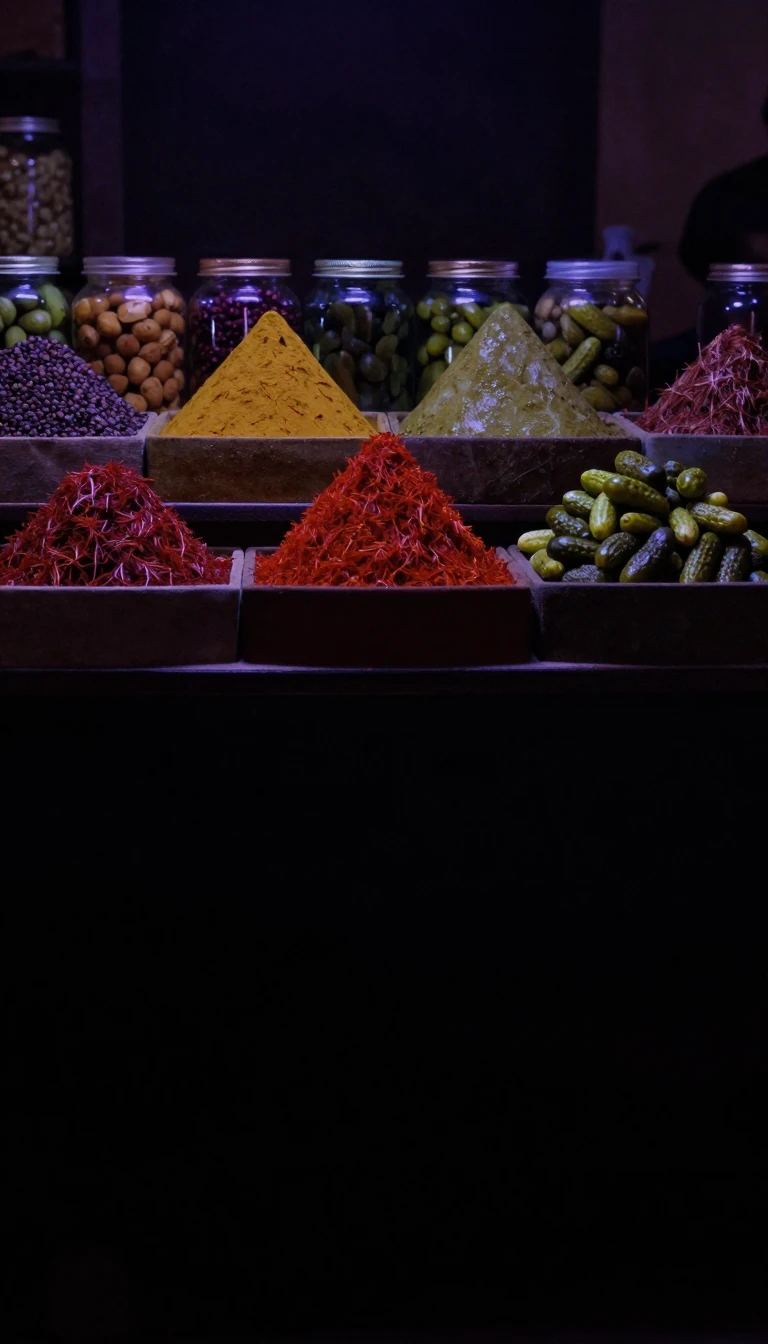
In short: We often mistake seasoning for masking or overpowering food with herbs and spices. In reality, the true purpose of seasoning is to heighten the natural profile of your ingredients. When executed with precision, the seasoning itself should be imperceptible, leaving only a richer, more delicate version of the original dish.
The practice of seasoning is an ancient human endeavor, with the earliest evidence found in prehistoric pots containing traces of meat and garlic mustard seeds. While modern kitchens rely on a vast array of pantry staples, the fundamental goal remains consistent: to supplement food to enhance its inherent qualities. This process involves a delicate balance of herbs, spices, and salts, each serving a specific chemical or sensory function. Salt, for instance, acts as a transformative agent; beyond its ability to magnify flavors, it can draw out moisture and tenderize proteins like beef, lamb, and chicken through a process akin to curing.
Auguste Escoffier, in his seminal work Le Guide Culinaire, categorized these elements into distinct groups, ranging from saline and acid seasonings to pungents like garlic and horseradish, and even fatty substances like butter and oils. Each category interacts with the palate differently. Acids, such as lemon juice or vinegar, provide brightness, while hot seasonings like peppercorns or paprika introduce complexity. Infused oils offer another dimension, though they require careful handling, as bases like olive oil can turn rancid if not properly refrigerated.
Timing is perhaps the most critical, yet overlooked, aspect of seasoning. While some ingredients are used to build a base, many seasonings are best added near the end of the cooking process or directly at the table. This ensures that the volatile compounds responsible for flavor are not lost to heat. Interestingly, the history of these substances extends far beyond the kitchen. Ancient Egyptians utilized cinnamon in the production of Kyphi perfume, and the Ebers Papyrus documents the use of various herbs and spices in medicinal treatments, highlighting a long-standing human fascination with the potency of these natural materials.
Opens the Intellect+ feed with this card first. Swipe up for the next one.
Sources
- Summary by Intellect · source: Seasoning
To cite this card, link to https://intellectplus.co.uk/app/food-seasoning.
How we source, check and correct cards: Editorial standards.
General information, not professional advice. Spotted an error? Flag the card or see corrections and complaints.
Intellect Plus is a visual educational discovery platform for exploring fascinating facts and ideas. Brain Food, Not Brain Rot. What is Intellect Plus?
Related
More in Cooking, food and drink · More in Food & Drink · Latest · A–Z · All topics
