Why Sonoma County’s extreme microclimates make it a masterclass in agricultural diversity
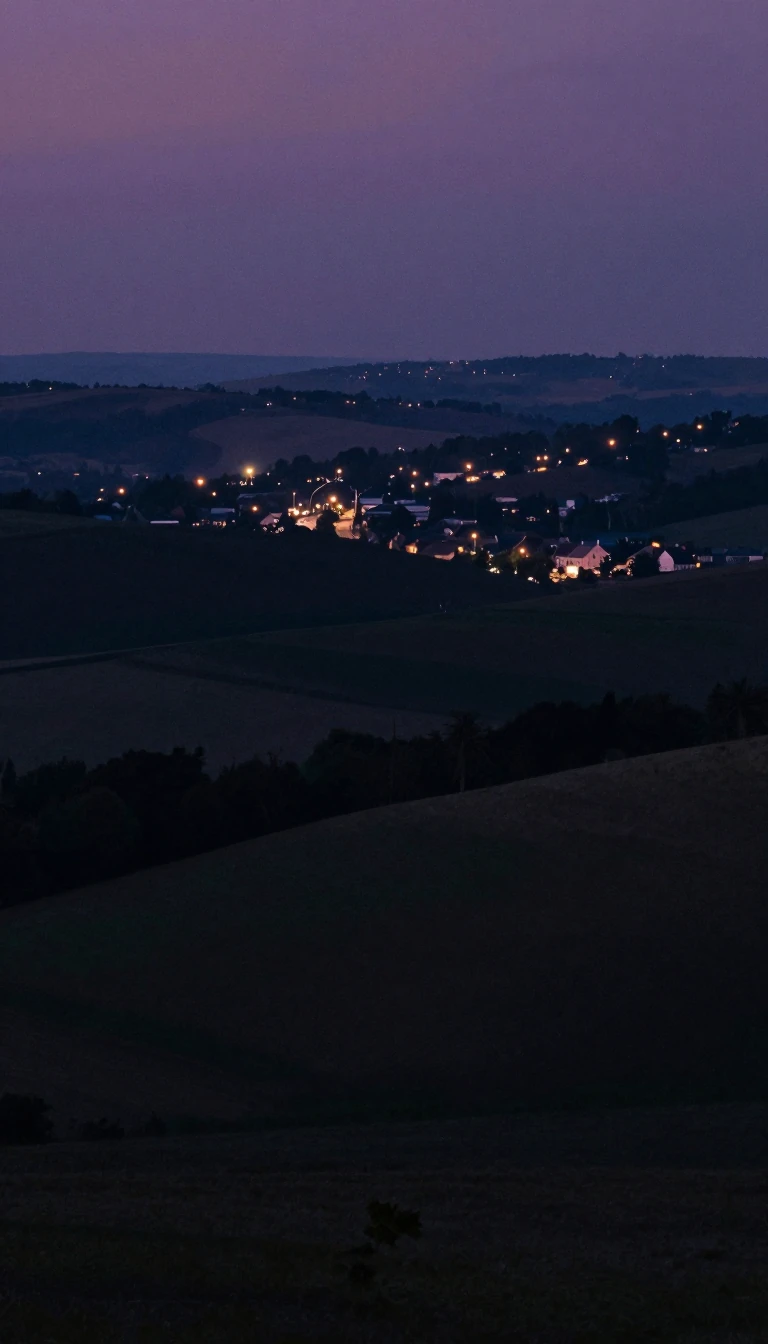
In short: Sonoma County is a land of dramatic atmospheric contrasts. From the fog-drenched coast to the scorching heat of Cloverdale, this California region packs an incredible range of microclimates into a single county. These variations, driven by mountains and ocean winds, dictate everything from local rainfall to the county's world-renowned agricultural output.
Sonoma County’s climate is defined by its complex topography and proximity to the Pacific Ocean. Prevailing winds from the west bring moist, cool air inland, but the county’s rugged terrain—including the Mayacamas and Sonoma Mountains—acts as a barrier. This creates a distinct 'fog path' that cools coastal areas and the Petaluma Gap, while leaving inland valleys like Healdsburg and the Sonoma Valley significantly warmer. The result is a dramatic range of diurnal temperature fluctuations, often spanning 30 to 40 degrees Fahrenheit in a single day during the summer.
This climatic diversity is matched by extreme variations in precipitation. While much of the county receives a moderate 25 to 30 inches of rain annually, the northwestern region near the Russian River is far wetter. The Cazadero area, for instance, frequently records over 100 inches of rainfall, making it the second-wettest location in California. Such environmental variety supports a vast array of habitats, from redwood forests and oak woodlands to the biologically rich Laguna de Santa Rosa, which serves as a critical watershed for the county's population.
The region's agricultural success is a direct beneficiary of these conditions. The abundance of high-quality water and fertile land has allowed Sonoma to become a leading producer of grapes, hops, apples, and dairy. Agriculture is largely split between viticulture and pasturage, with the county boasting over 350 wineries and nineteen approved American Viticultural Areas. This landscape is not just a commercial engine; it is a geological and historical tapestry, ranging from prehistoric fossil-rich formations like the Wilson Grove Sea to the ancestral lands of the Pomo, Coast Miwok, and Wappo peoples.
Opens the Intellect+ feed with this card first. Swipe up for the next one.
Sources
- Summary by Intellect · source: Sonoma County, California
To cite this card, link to https://intellectplus.co.uk/app/food-sonoma-county-california.
How we source, check and correct cards: Editorial standards.
General information, not professional advice. Spotted an error? Flag the card or see corrections and complaints.
Intellect Plus is a visual educational discovery platform for exploring fascinating facts and ideas. Brain Food, Not Brain Rot. What is Intellect Plus?
Related
More in Cooking, food and drink · More in Food & Drink · Latest · A–Z · All topics
