Winemaking is a delicate dance of chemistry, biology, and the influence of terroir.
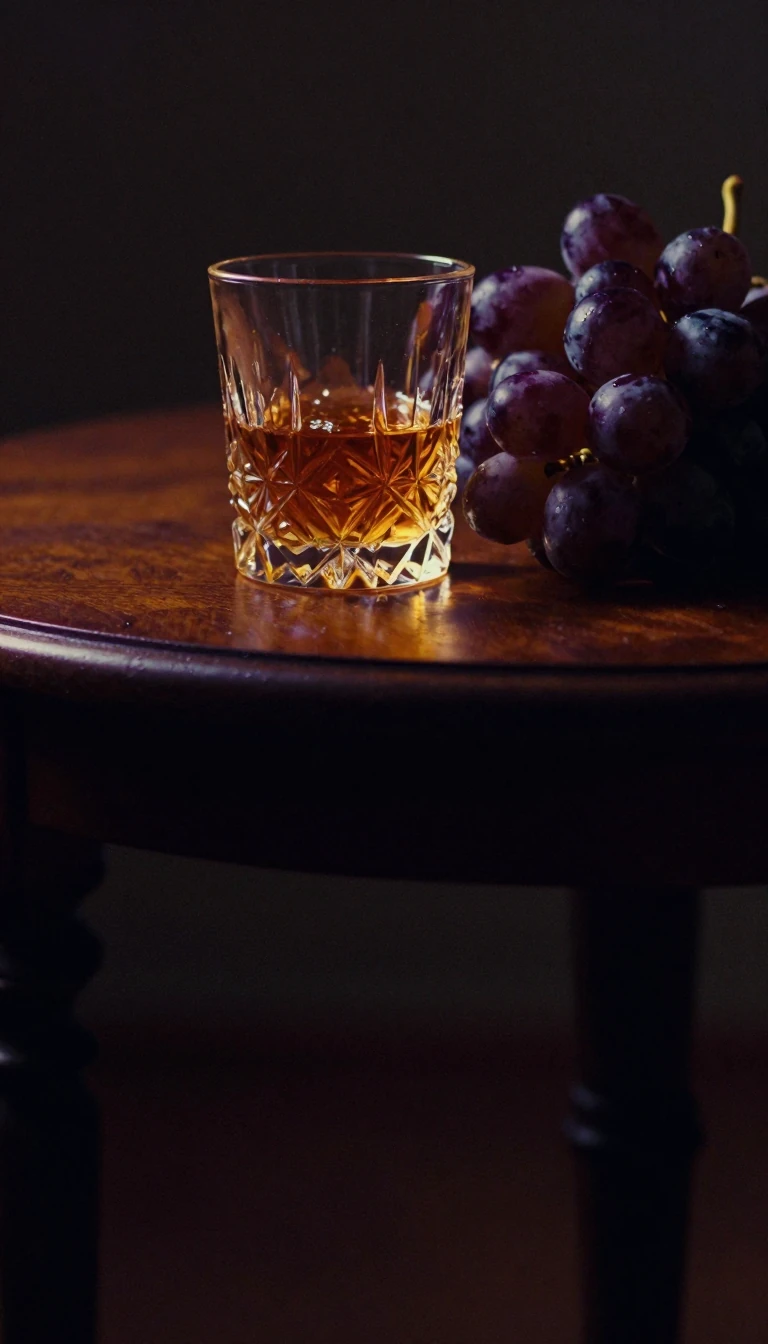
In short: From ancient fermentation in Georgia to modern precision engineering, winemaking transforms simple fruit into a complex beverage. Whether through the gentle extraction of color in rosé or the secondary fermentation that creates sparkling bubbles, the vintner balances science and tradition to craft a final product that reflects its origin.
At its core, winemaking is the conversion of grape sugars into ethanol and carbon dioxide by yeast. While this process can occur naturally, commercial vintners often use cultured yeast to ensure consistency and prevent spoilage. The quality of the final wine is primarily dictated by the grape's terroir—a combination of soil, climate, and variety—though winemakers exert significant control through techniques like chaptalization, where sugar is added to boost alcohol content, or malolactic conversion, which softens harsh acids into creamy textures.
The divergence between red and white wine production begins immediately after harvest. Red wines are fermented with their skins to extract tannins and color through maceration, whereas white wines are typically pressed before fermentation to avoid skin contact. Rosé sits between these methods, utilizing brief skin contact to achieve a delicate hue. Advanced techniques like carbonic maceration or the use of oak barrels for maturation further refine the flavor profile, allowing a winemaker to manipulate the wine's structure and longevity.
Beyond traditional methods, the industry employs specialized processes for unique styles. Sparkling wines, such as Champagne, undergo a secondary fermentation inside the bottle to trap carbon dioxide, while sweet wines are created by arresting fermentation early to preserve residual sugar. Even the harvesting method—mechanical versus manual—plays a role in quality, with manual picking allowing for the selection of only the ripest clusters. Ultimately, the winemaker's decisions at every stage, from destemming to the final bottling, determine whether a wine is meant for early consumption or decades of aging.
Opens the Intellect+ feed with this card first. Swipe up for the next one.
Sources
- Summary by Intellect · source: Winemaking
To cite this card, link to https://intellectplus.co.uk/app/food-winemaking.
How we source, check and correct cards: Editorial standards.
General information, not professional advice. Spotted an error? Flag the card or see corrections and complaints.
Intellect Plus is a visual educational discovery platform for exploring fascinating facts and ideas. Brain Food, Not Brain Rot. What is Intellect Plus?
Related
More in Cooking, food and drink · More in Food & Drink · Latest · A–Z · All topics
