Why the word for your evening meal depends on your history and geography
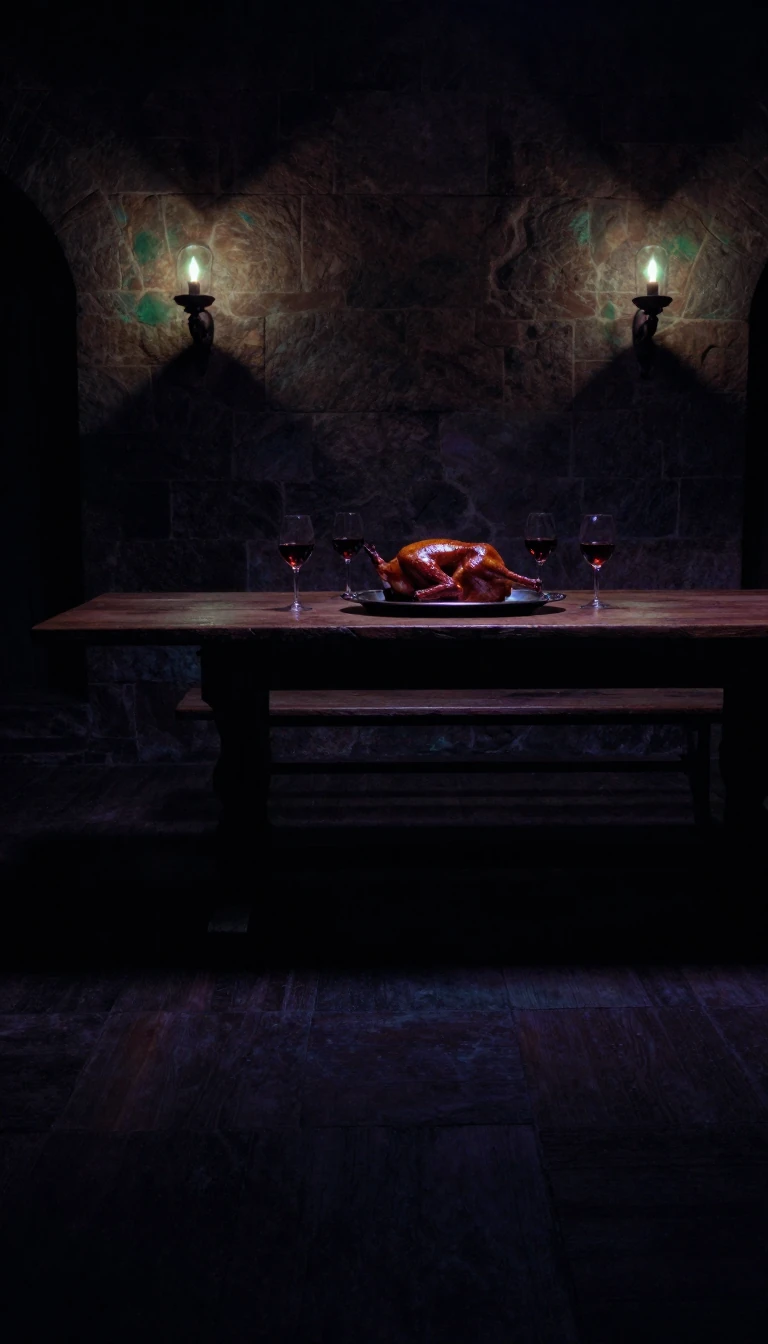
In short: Is it dinner or supper? The answer shifts depending on whether you are in a rural Canadian community, a British fish-and-chip shop, or a 17th-century French court. Once a distinct secondary meal, the term has evolved into a complex marker of class, region, and historical tradition across the globe.
The etymology of supper is tied to the French souper, which is linguistically linked to soup, though the Oxford English Dictionary notes the root remains obscure. Historically, supper was a lighter evening meal that followed the main meal of the day, known as dinner. For centuries, dinner was served around midday, a practice that only shifted later in the 19th century. In the 17th century, elites like Louis XIV maintained this schedule, dining at noon and taking supper at 10 pm. This gap allowed for late-night social rituals; at a London ball in 1811, the Duchess of Bedford served supper as late as 3:30 am.
As dinner times crept into the evening, the distinction between the two meals became increasingly fluid. In North American farming communities, the separation persisted well into the 20th century, and the U.S. military maintained the distinction in its rations during World War II. Today, most Americans and Canadians treat the terms as synonyms, though supper is often viewed as the more antiquated option. In contrast, regional pockets like Saskatchewan and Atlantic Canada still distinguish the two, with dinner served at noon and supper as the main evening meal.
Class and culture further complicate the definition. In the United Kingdom, supper is often used to describe an informal family meal, distinct from a formal dinner party. Meanwhile, in Scotland, the term has been co-opted for specific takeaway dishes, such as a fish supper. Community traditions also preserve the word, seen in New England bean suppers or Canadian fall suppers. Whether it signifies a late-night snack or a hearty community gathering, supper remains a term defined less by the clock and more by the social context in which it is served.
The evolution of these terms reflects broader shifts in how societies structure their daily lives. While the industrialization of the 19th century pushed the main meal later, the persistence of supper in specific cultural niches highlights how language preserves older rhythms of life. From the formal tables of French royalty to the simple comfort of a fish and chip shop, the word continues to carry the weight of centuries of dining customs.
Opens the Intellect+ feed with this card first. Swipe up for the next one.
Sources
- Summary by Intellect · source: Supper
To cite this card, link to https://intellectplus.co.uk/app/food-supper.
How we source, check and correct cards: Editorial standards.
General information, not professional advice. Spotted an error? Flag the card or see corrections and complaints.
Intellect Plus is a visual educational discovery platform for exploring fascinating facts and ideas. Brain Food, Not Brain Rot. What is Intellect Plus?
Related
More in Cooking, food and drink · More in Food & Drink · Latest · A–Z · All topics
