The stinging nettle is a versatile powerhouse hiding in plain sight as a weed.
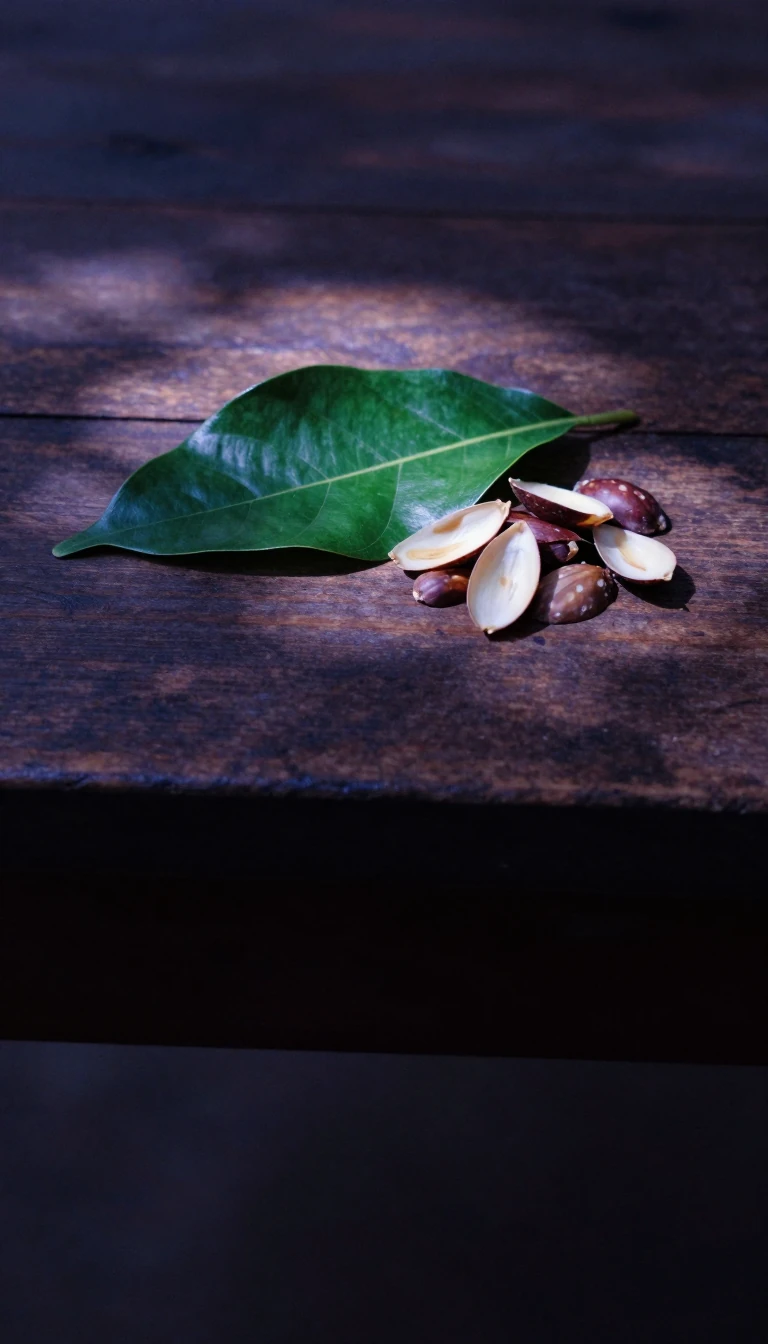
In short: Commonly dismissed as a painful nuisance, the stinging nettle is actually a nutrient-dense food source, a historical textile fiber, and a resilient survivor. By mastering the simple techniques to neutralize its stinging hairs, you can transform this abundant plant into everything from gourmet pesto to durable, sustainable clothing.
Urtica dioica, or the common nettle, is a perennial flowering plant native to Europe, temperate Asia, and North Africa. Its reputation for pain stems from hollow, needle-like hairs called trichomes that inject histamine, serotonin, and acetylcholine upon contact. While these stings can cause dermatitis lasting minutes or, rarely, hours, they are easily neutralized by heat or soaking, rendering the plant safe to handle and consume.
Nutritionally, the nettle is a standout, containing up to 25% protein by dry weight. Its flavor is often compared to spinach, making it a staple in diverse culinary traditions. In the Balkans, it is used in börek, while in Greece, it fills hortopita. It even finds its way into cheesemaking, such as Cornish Yarg. Beyond the kitchen, the plant has a 3,000-year history of textile use, with Bronze Age remnants found in Denmark. Unlike cotton, nettles require no pesticides, offering a sustainable, if coarser, alternative for fabric production.
The plant's presence often signals fertile, nitrogen-rich soil, frequently marking the sites of long-abandoned human settlements. Its resilience is legendary; it spreads via rhizomes and stolons and recovers quickly after fire. While folk remedies suggest rubbing dock leaves on stings, there is no chemical evidence for their efficacy, suggesting the relief may be purely psychological. Today, the nettle remains a subject of both scientific study and quirky cultural events, such as the World Nettle Eating Championship in Dorset, which began in 1986 as a farmer's dispute over infestation levels.
Opens the Intellect+ feed with this card first. Swipe up for the next one.
Sources
- Summary by Intellect · source: Urtica dioica
To cite this card, link to https://intellectplus.co.uk/app/food-urtica-dioica.
How we source, check and correct cards: Editorial standards.
General information, not professional advice. Spotted an error? Flag the card or see corrections and complaints.
Intellect Plus is a visual educational discovery platform for exploring fascinating facts and ideas. Brain Food, Not Brain Rot. What is Intellect Plus?
Related
More in UK & Ireland: food · More in Food & Drink · Latest · A–Z · All topics
