Is your farm actually arable? The surprising difference between potential and statistical reality
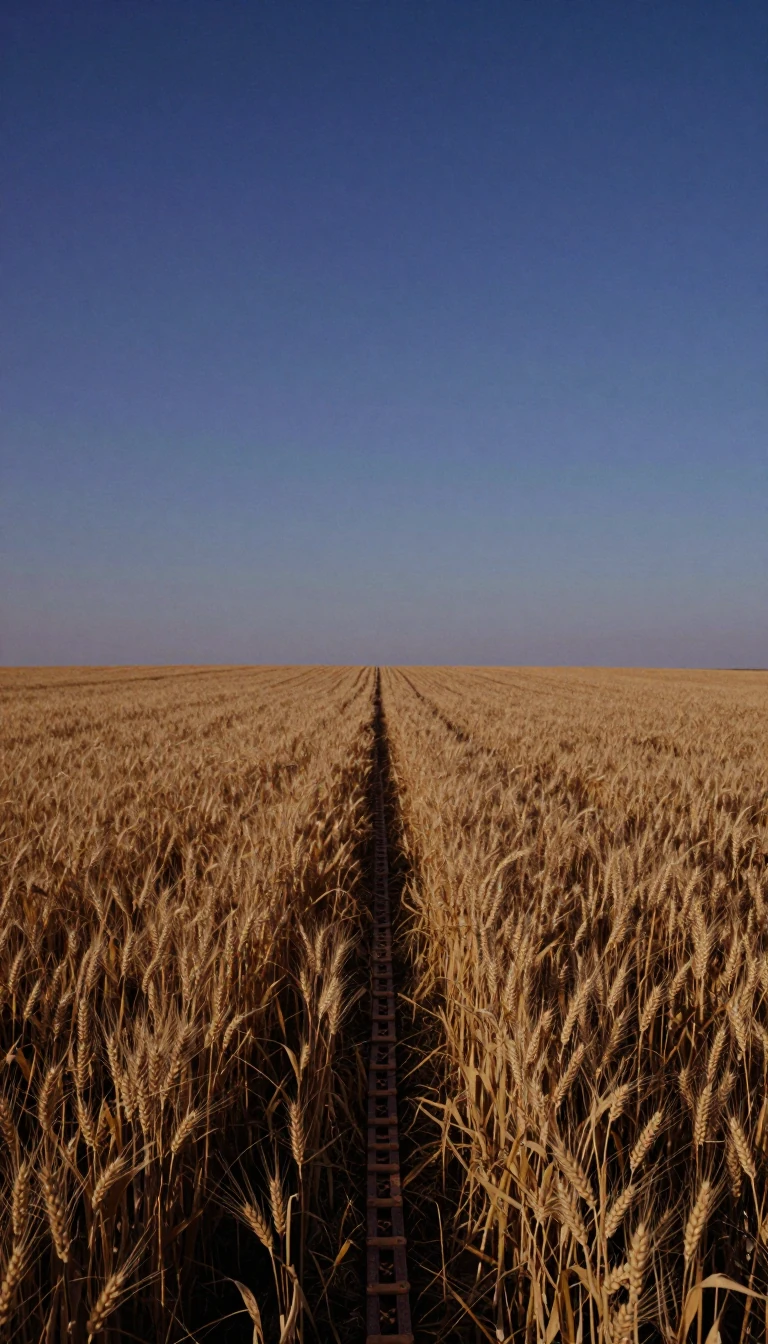
In short: We often assume arable land is simply soil that can grow food. In reality, agricultural statistics define it by current use, not potential. While we can engineer non-arable land into productive plots, these artificial interventions often carry hidden environmental costs, from soil toxicity to the depletion of vital waterways.
Arable land is defined by the Food and Agriculture Organization as land under temporary crops, temporary meadows, market gardens, and fallow land. This definition focuses on active, regular cultivation rather than inherent capability. In 2013, the world contained 1.407 billion hectares of arable land out of 4.924 billion hectares of total agricultural land. This distinction matters because much land that cannot be ploughed remains highly productive for grazing, such as the 59 percent of non-federal US rangeland unsuitable for cultivation.
Transforming non-arable land into farmland is possible but often prohibitively expensive. Techniques include desalination, hydroponics, and soil enrichment like the creation of terra preta using charcoal. Historically, humans have even manually covered rocky terrain with sand and seaweed, as seen on the Aran Islands. However, these artifices do not fundamentally change the land's nature; they create temporary systems that can lead to long-term issues like soil deoxygenation and the accumulation of trace materials.
The global supply of arable land is under constant threat from desertification, erosion, and climate change. Improper irrigation can concentrate salts in the root zone, while slash-and-burn practices, such as those that rendered about ten percent of Madagascar barren, rapidly exhaust soil nutrients. Furthermore, the intensive use of fertilizers to maintain productivity can devastate local waterways through nitrogen accumulation. As these pressures mount, the line between fertile farmland and barren desert remains fragile, with human intervention often acting as both a savior and a catalyst for degradation.
Opens the Intellect+ feed with this card first. Swipe up for the next one.
Sources
- Summary by Intellect · source: Arable land
To cite this card, link to https://intellectplus.co.uk/app/gardening-arable-land.
How we source, check and correct cards: Editorial standards.
General information, not professional advice. Spotted an error? Flag the card or see corrections and complaints.
Intellect Plus is a visual educational discovery platform for exploring fascinating facts and ideas. Brain Food, Not Brain Rot. What is Intellect Plus?
Related
More in Agriculture · More in Gardening · Latest · A–Z · All topics
