Is the future of livestock nutrition hidden in food waste and insect farms?
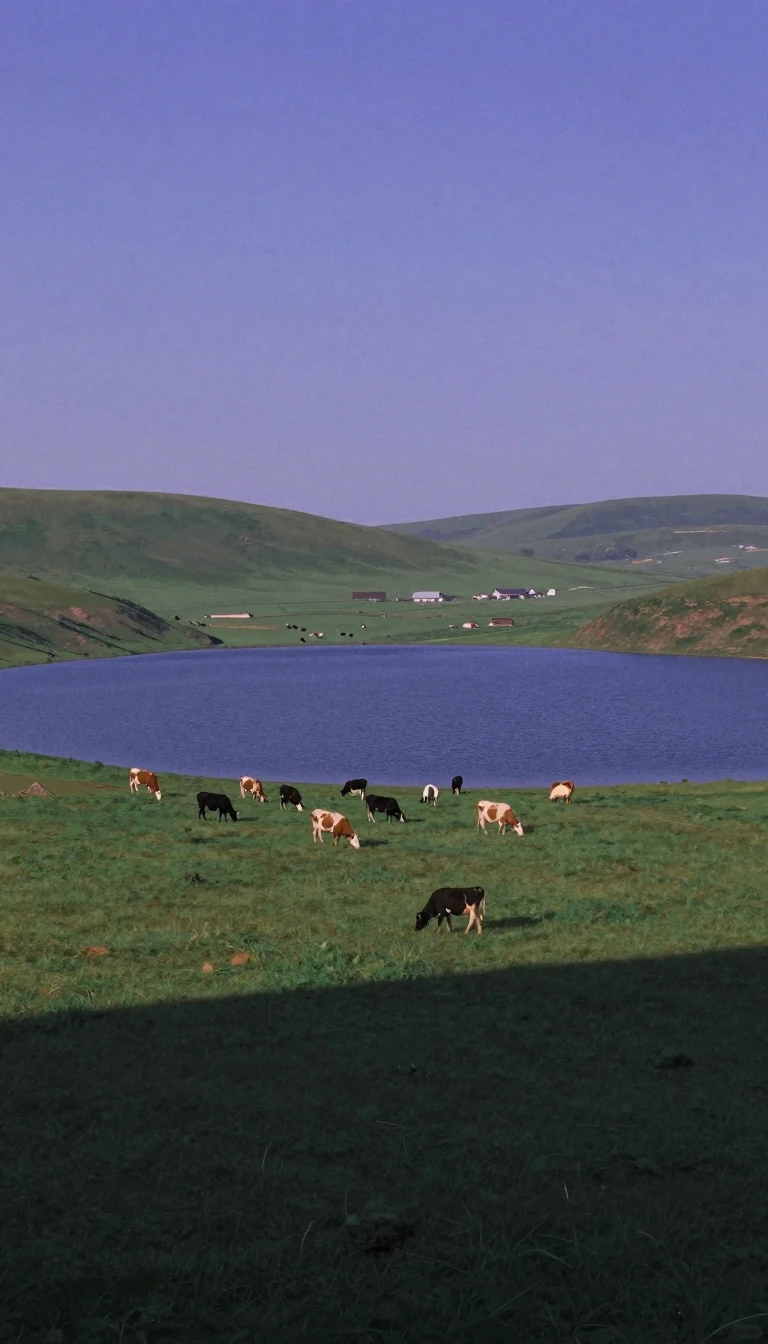
In short: Animal feed is the single largest cost in livestock production, yet it is currently a major driver of deforestation and climate change. As droughts threaten traditional grazing, farmers are turning to everything from brewer's spent grain to processed shrubs. But are high-tech alternatives like insect protein actually a sustainable solution?
Animal feed is broadly categorized into forage, which animals graze themselves, and fodder, which is cut and carried to them. While grass and crop residues remain the primary global feed sources, modern industrial agriculture relies heavily on grain-based diets. This reliance is not merely an economic choice but a significant environmental one. Producing feed crops requires vast amounts of land, often competing with human food production and contributing to soil degradation and deforestation. Furthermore, the efficiency of converting grain into meat varies wildly; while extensive ruminant systems might require only 0.1 kg of grain per kilogram of meat, intensive beef feedlots can demand up to 9.4 kg.
The nutritional profile of feed is critical to animal health. For instance, shifting cows from grass to grain-heavy diets can acidify their microbiomes, weakening their immune systems and increasing the risk of E. coli. Conversely, innovative additives like specific types of seaweed are being explored to reduce methane emissions from livestock. As climate change increases the frequency of droughts—such as the 2017 event in Senegal that forced farmers to sell off herds due to feed shortages—the industry is searching for resilient alternatives. These range from traditional practices, like using food scraps and milling byproducts, to modern innovations like harvesting woody shrubs in Namibia.
Insect farming is often touted as a revolutionary feed source capable of converting organic waste into protein. However, the reality is more complex. A UK government-commissioned study found that insect production can be surprisingly resource-intensive, requiring constant heating at 30 °C and consuming more water per kilogram than traditional livestock. Additionally, many insect farms currently compete with existing feed sources by consuming high-quality agricultural byproducts rather than waste. With global feed production reaching 734.5 million tons in 2011, the challenge lies in balancing economic viability with the environmental costs of the ingredients we choose to put in the trough.
Opens the Intellect+ feed with this card first. Swipe up for the next one.
Sources
- Summary by Intellect · source: Animal feed
To cite this card, link to https://intellectplus.co.uk/app/gardening-animal-feed.
How we source, check and correct cards: Editorial standards.
General information, not professional advice. Spotted an error? Flag the card or see corrections and complaints.
Intellect Plus is a visual educational discovery platform for exploring fascinating facts and ideas. Brain Food, Not Brain Rot. What is Intellect Plus?
Related
More in Agriculture · More in Gardening · Latest · A–Z · All topics
