Why the world’s most fragrant rice is defined by a chemical compound
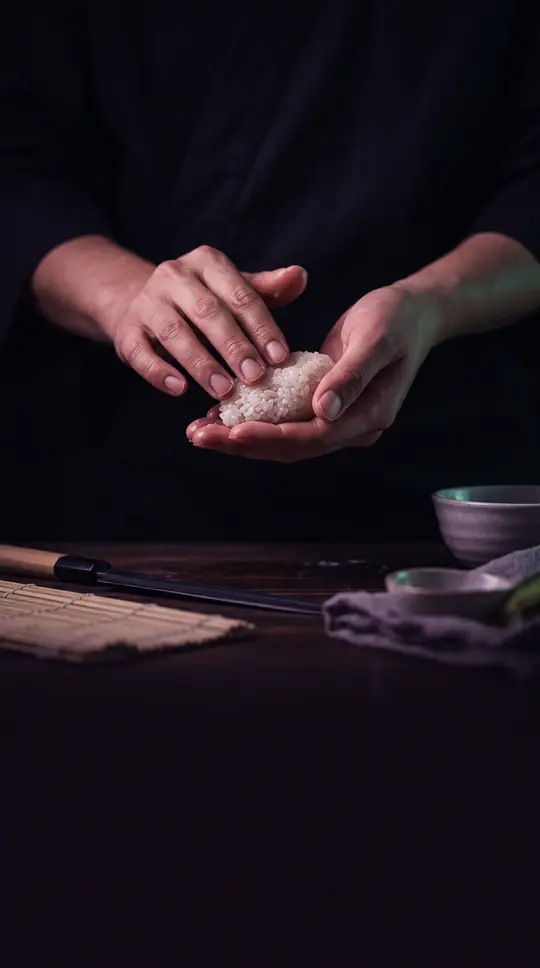
In short: Basmati rice is more than just a long-grain staple; it is a scientifically defined aromatic experience. Its signature pandan-like scent comes from a specific chemical compound found in concentrations twelve times higher than in other rice. Understanding this grain requires navigating complex geography, DNA-based authenticity tests, and international trade disputes.
The term basmati originates from Sanskrit, combining roots for fragrance and presence. To be officially classified as basmati, the grain must meet strict physical parameters, including a minimum precooked length of 6.61 mm. This distinct aroma is driven by 2-acetyl-1-pyrroline, a compound also found in fruit and cheese. Because this volatile compound diminishes during cooking, soaking the rice for 30 minutes can reduce cooking time by 20% and help preserve its characteristic scent.
Cultivation is geographically exclusive to specific districts in India and Pakistan, though the crop has inspired global variants like Texmati in the United States and baroma in Indonesia. India accounts for over 70% of global production, with exports reaching billions of dollars annually. The industry relies on DNA-fingerprinting to combat widespread adulteration, where cheaper, non-basmati long-grain rice is mixed into premium consignments. In 2005, UK regulators found that half of the basmati sold in Britain was adulterated, leading to stricter industry codes of practice.
The global status of basmati has faced significant legal challenges. In 1997, the company RiceTec secured a U.S. patent on basmati lines, sparking international outrage over biopiracy and a diplomatic crisis between India and the United States. RiceTec eventually lost the right to label its products as basmati. More recently, in 2026, the Australian Federal Court rejected a plea to grant basmati exclusive legal status in Australia, complicating trade efforts for major producing states like Punjab and Haryana. Despite these hurdles, basmati remains a vital economic driver and a symbol of identity for farmers in regions like Uttarakhand, where traditional varieties like Dehradun Basmati are prized for their unique popcorn-like aroma.
Opens the Intellect+ feed with this card first. Swipe up for the next one.
Sources
- Summary by Intellect · source: Basmati
To cite this card, link to https://intellectplus.co.uk/app/gardening-basmati.
How we source, check and correct cards: Editorial standards.
General information, not professional advice. Spotted an error? Flag the card or see corrections and complaints.
Intellect Plus is a visual educational discovery platform for exploring fascinating facts and ideas. Brain Food, Not Brain Rot. What is Intellect Plus?
Related
More in Plants · More in Gardening · Latest · A–Z · All topics
