The cherimoya is a tropical fruit with a name meaning cold seeds in Quechua.
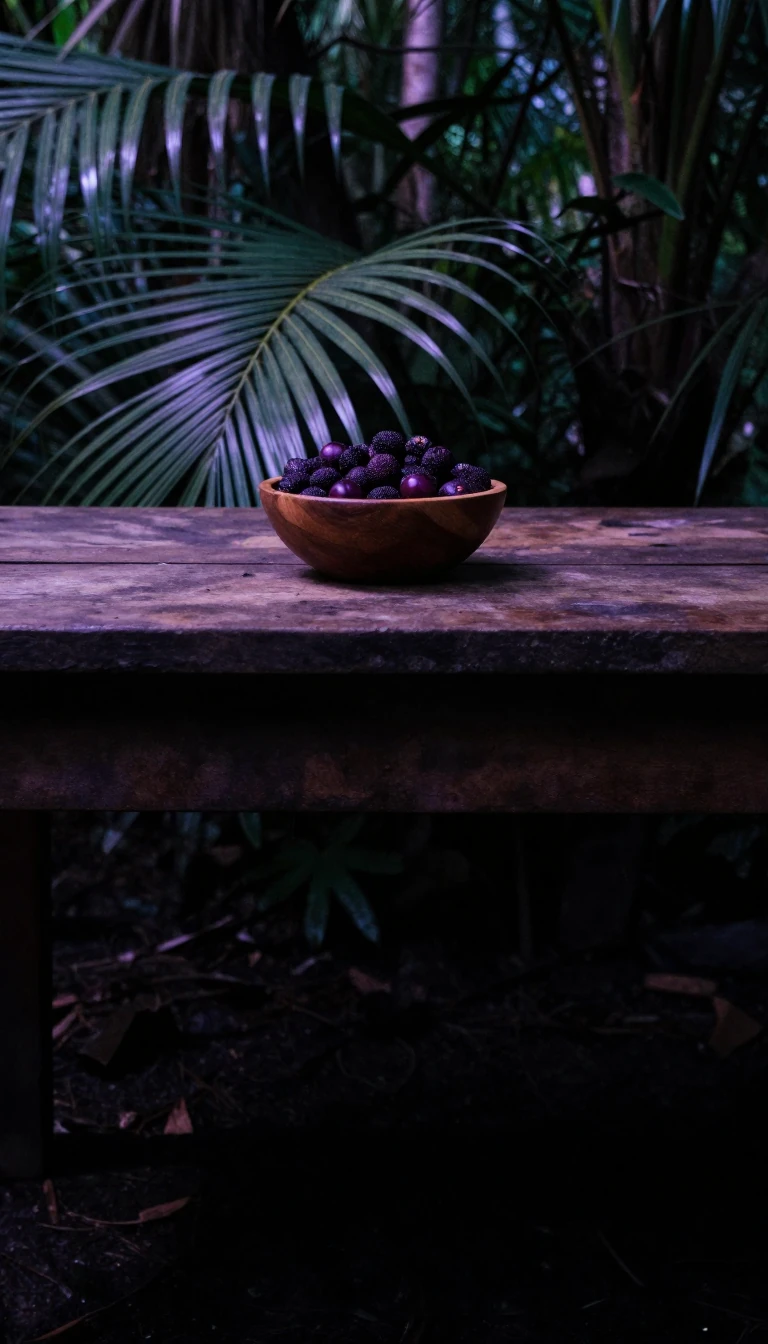
In short: Known for its creamy, custard-like flesh, the cherimoya is a fascinating member of the Annonaceae family. While prized for its flavor, this tree hides a complex reproductive strategy and contains neurotoxins in its seeds and skin. Discover the botanical secrets behind this ancient, high-altitude delicacy from the Americas.
The cherimoya (Annona cherimola) belongs to the Annonaceae family, a massive group within the magnolia order comprising roughly 2,430 species. These trees and shrubs are primarily tropical, though some extend into temperate zones. The family is economically significant, providing timber, spices, perfumes, and various pulpy fruits, including the soursop and sweetsop. The cherimoya itself is a woody, low-branched tree that thrives in high-altitude, cooler climates, which is reflected in its name derived from the Quechua word for cold seeds.
Botanically, the plant is notable for its hermaphroditic flowers, which employ a clever mechanism to prevent self-pollination. The flowers open in a female stage before transitioning to a male stage hours later, necessitating specific pollinators—often small sap beetles—to move pollen between flowers. These beetles are attracted to nutritious tissues at the base of the petals, effectively using the flower as a feeding and mating chamber. This intricate relationship is essential for the fruit's development in both orchard and wild settings.
While the fruit is widely enjoyed for its sweet, custard-like texture, caution is required. Like many members of the Annonaceae family, the cherimoya contains neurotoxic acetogenins, such as annonacin, in its skin and seeds. These compounds are potent enough that the seeds are considered poisonous if crushed, and bark extracts have been shown to induce paralysis in experimental settings. Despite these risks, the fruit remains a staple in many tropical and subtropical regions, valued for its unique flavor profile and historical significance in the Andes and Central America.
Opens the Intellect+ feed with this card first. Swipe up for the next one.
Sources
- Summary by Intellect · source: Cherimoya | Description, Tree, Fruit, Uses, & Facts | Britannica
- Also: Cherimoya
To cite this card, link to https://intellectplus.co.uk/app/gardening-cherimoya.
How we source, check and correct cards: Editorial standards.
General information, not professional advice. Spotted an error? Flag the card or see corrections and complaints.
Intellect Plus is a visual educational discovery platform for exploring fascinating facts and ideas. Brain Food, Not Brain Rot. What is Intellect Plus?
Related
More in Plants · More in Gardening · Latest · A–Z · All topics
