The sugar apple is a global tropical traveler with a surprisingly complex botanical history.
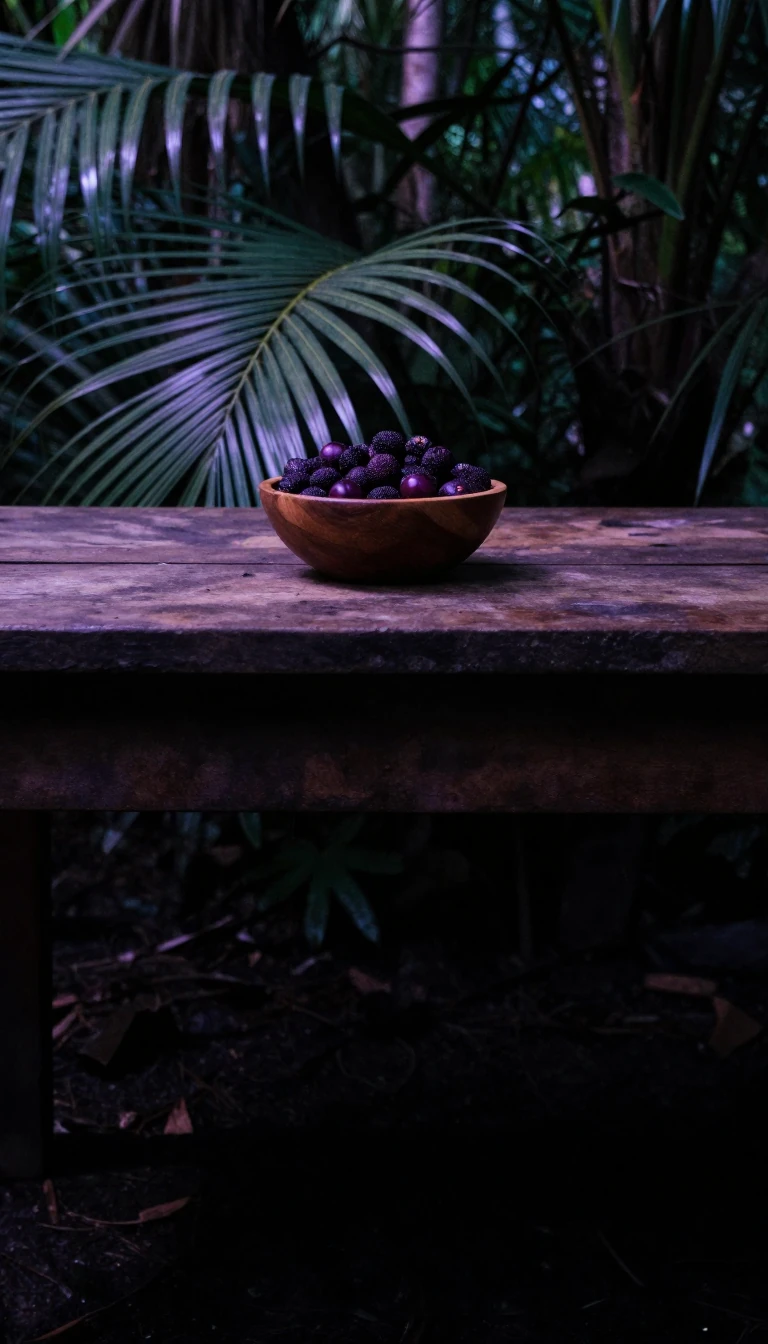
In short: Native to the Americas, this fruit tree has spread across the globe, becoming a staple in tropical markets from India to Thailand. While prized for its creamy, custard-like flesh, the plant also serves as a source of medicine, fuel, and even potent insecticidal compounds hidden within its seeds.
Annona squamosa, commonly known as the sugar apple, is a resilient shrub or tree that thrives in wet tropical biomes. While its exact origin remains a subject of study, its native range spans from Mexico down to Colombia. Today, it has become the most widely cultivated species within the Annona genus, having been introduced to diverse regions including the Andaman Islands, Ethiopia, India, and Taiwan.
The plant's global reach was significantly expanded during the 16th century, when Spanish traders transported it via Manila galleons to Asia. Its adaptability has allowed it to naturalize across a vast geography, ranging from the Caribbean and Florida to Southeast Asia and the South Pacific. In some of these introduced environments, the species has even established itself as an invasive presence.
Beyond its culinary appeal, the sugar apple is a versatile resource. It is utilized for animal feed, fuel, and various social and medicinal applications. Researchers have identified a range of chemical constituents within the plant, including alkaloids and acetogenins. While some of these compounds, such as those found in the seeds, have been investigated for their potential as biopesticides, these applications remain unapproved by major regulatory bodies like the United States Environmental Protection Agency.
Botanically, the tree is characterized by its simple, alternate leaves and greenish-yellow flowers. Its fruit is distinct for its aggregate structure, consisting of loosely cohering carpels that often separate upon ripening. This unique morphology, combined with its sweet, aromatic pulp, has made it a familiar sight in tropical markets worldwide, though its fragile nature when ripe limits its commercial handling.
Opens the Intellect+ feed with this card first. Swipe up for the next one.
Sources
- Summary by Intellect · source: Annona squamosa L. | Plants of the World Online | Kew Science
- Also: Annona squamosa
To cite this card, link to https://intellectplus.co.uk/app/gardening-annona-squamosa.
How we source, check and correct cards: Editorial standards.
General information, not professional advice. Spotted an error? Flag the card or see corrections and complaints.
Intellect Plus is a visual educational discovery platform for exploring fascinating facts and ideas. Brain Food, Not Brain Rot. What is Intellect Plus?
Related
More in Plants · More in Gardening · Latest · A–Z · All topics
