Poison hemlock is a lethal, invasive weed that hides in plain sight among us.
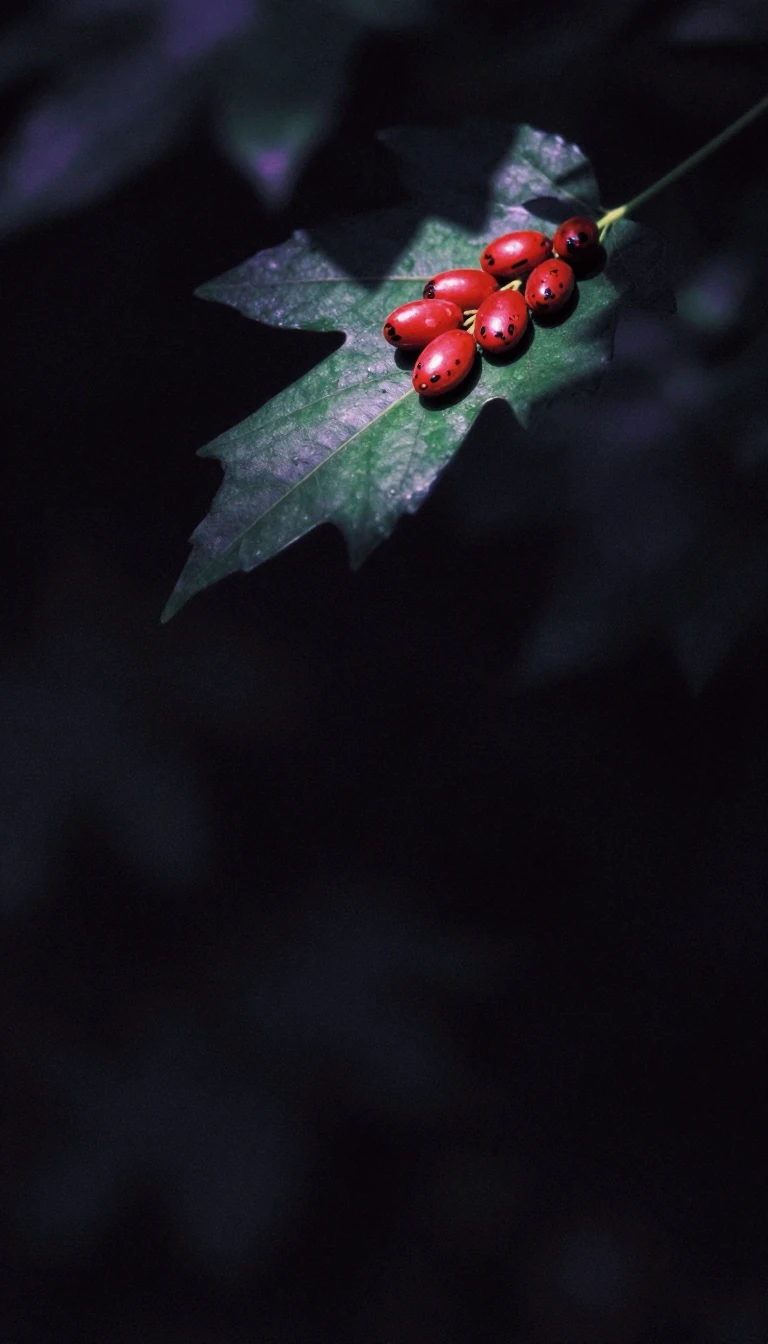
In short: Often mistaken for harmless wild parsley or carrots, this biennial plant contains potent alkaloids that cause respiratory failure in humans and livestock. Despite its deadly reputation as the instrument of Socrates' execution, it was once a staple medicine and even a spring food source in remote mountain regions.
Conium maculatum, or poison hemlock, is a highly toxic member of the Apiaceae family native to Europe and North Africa. It is easily identified by its hollow, purple-spotted stems and a distinct, unpleasant odor. While it can reach heights of up to 3 meters, it often goes unnoticed in its first year as a low-growing rosette. Its rapid spread across North America, Australia, and beyond is aided by seeds that can remain dormant in the soil for up to six years, making it a persistent and difficult invasive species to eradicate.
The plant's toxicity stems from a suite of piperidine alkaloids, most notably coniine and γ-coniceine. These compounds act on the central nervous system by inhibiting nicotinic acetylcholine receptors, leading to ascending muscular paralysis and, eventually, death by respiratory failure. The concentration of these poisons varies significantly based on the plant's age, the season, and environmental factors; plants grown in sunny conditions can be twice as toxic as those in cloudy, wet environments. Even dried stems remain deadly for up to three years, and skin contact with the leaves can cause severe blistering through phototoxicity.
Historically, hemlock occupied a complex space in human culture. Beyond its infamous role in Ancient Greek executions—claiming figures like Socrates and Phocion—it was utilized in medieval medicine to treat conditions ranging from rabies to gout. Some communities, such as those in the high mountains of Georgia, even developed methods to consume it as a spring food after careful, repeated boiling. By the 19th century, it was still listed in official pharmacopoeias, though its use eventually faded as its extreme danger became better understood. Today, it serves as a stark reminder of the thin line between botanical utility and lethal hazard.
Opens the Intellect+ feed with this card first. Swipe up for the next one.
Sources
- Summary by Intellect · source: Conium maculatum
To cite this card, link to https://intellectplus.co.uk/app/gardening-conium-maculatum.
How we source, check and correct cards: Editorial standards.
General information, not professional advice. Spotted an error? Flag the card or see corrections and complaints.
Intellect Plus is a visual educational discovery platform for exploring fascinating facts and ideas. Brain Food, Not Brain Rot. What is Intellect Plus?
Related
More in Plants · More in Gardening · Latest · A–Z · All topics
