The filbert is a hazelnut, but not every hazelnut is a true filbert.
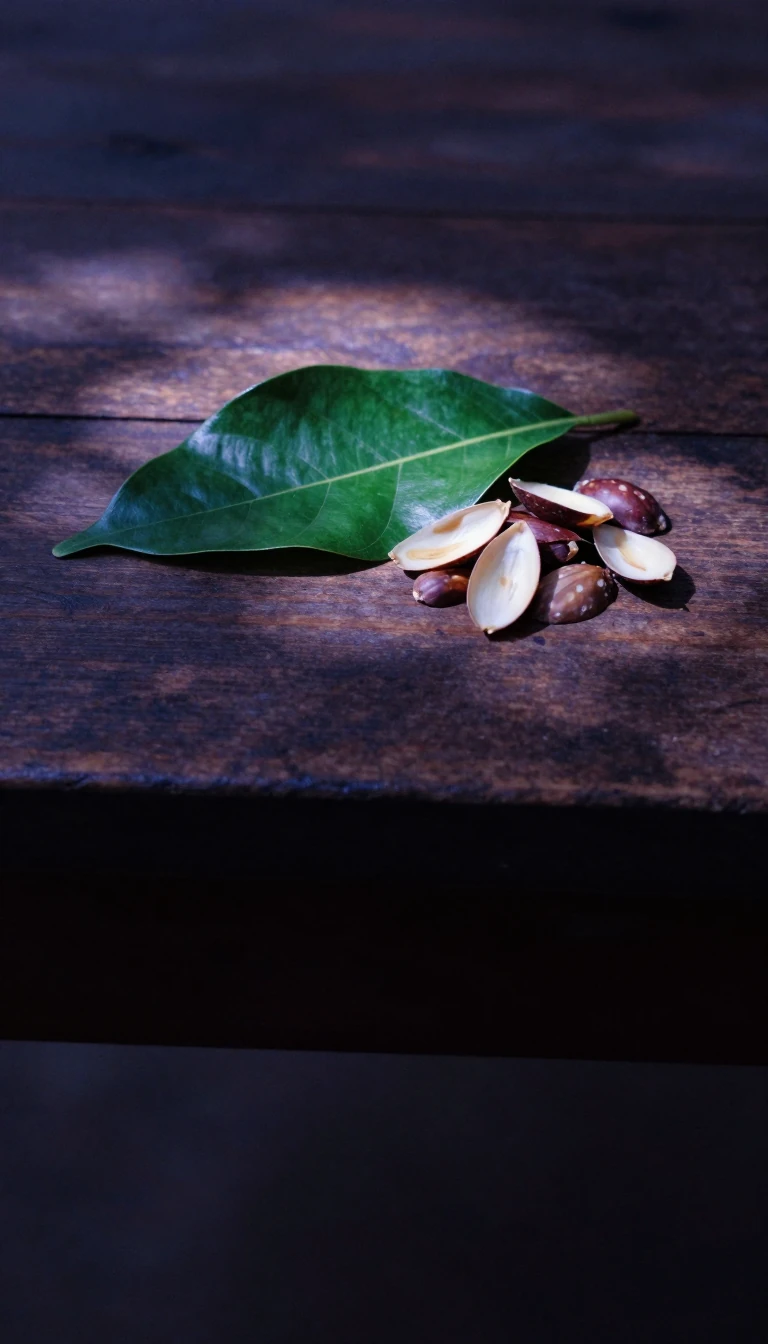
In short: Known as Corylus maxima, the filbert is a distinct deciduous shrub native to southeastern Europe and southwestern Asia. While often confused with the common hazel, this plant hides its edible nut inside a unique, elongated tubular husk. Discover why this nut became a staple in American mixed-nut containers and garden landscapes.
Corylus maxima, commonly called the filbert, belongs to the birch family and thrives as a deciduous shrub reaching heights of 6 to 10 metres. Its physical structure is defined by stems that can grow up to 20 centimetres thick and rounded leaves featuring a coarsely double-serrated margin. In the late winter, the plant produces wind-pollinated catkins: pale yellow male structures that grow up to 10 centimetres long, and tiny, bright red female flowers that measure only 1 to 3 millimetres.
The defining characteristic of the filbert is its fruit, which grows in clusters of one to five. Each nut, measuring 1.5 to 2.5 centimetres, is fully encased in a tubular husk known as an involucre that can reach 5 centimetres in length. This feature distinguishes it from the common hazel, Corylus avellana, though it shares this trait with the beaked hazel species found in North America and eastern Asia. While the nuts are edible and similar to standard hazelnuts, they are primarily utilized in the United States as large filler in mixed-nut assortments.
The name 'filbert' likely originates from Norman French, potentially linked to Saint Philibert, whose feast day falls on 20 August. Historically, the plant may have been renamed because its nuts reached maturity around that date. In Oregon, the term 'filbert' was once used broadly for all commercial hazelnuts, but this practice has declined as growers sought to rebrand their products for global appeal. Beyond its culinary uses, the species is valued for its ornamental qualities, particularly the purple-leaved cultivar known as 'Purpurea'.
Opens the Intellect+ feed with this card first. Swipe up for the next one.
Sources
- Summary by Intellect · source: Corylus maxima
To cite this card, link to https://intellectplus.co.uk/app/gardening-corylus-maxima.
How we source, check and correct cards: Editorial standards.
General information, not professional advice. Spotted an error? Flag the card or see corrections and complaints.
Intellect Plus is a visual educational discovery platform for exploring fascinating facts and ideas. Brain Food, Not Brain Rot. What is Intellect Plus?
Related
More in Plants · More in Gardening · Latest · A–Z · All topics
