Cover crops are the unsung architects of soil health and sustainable agricultural productivity.
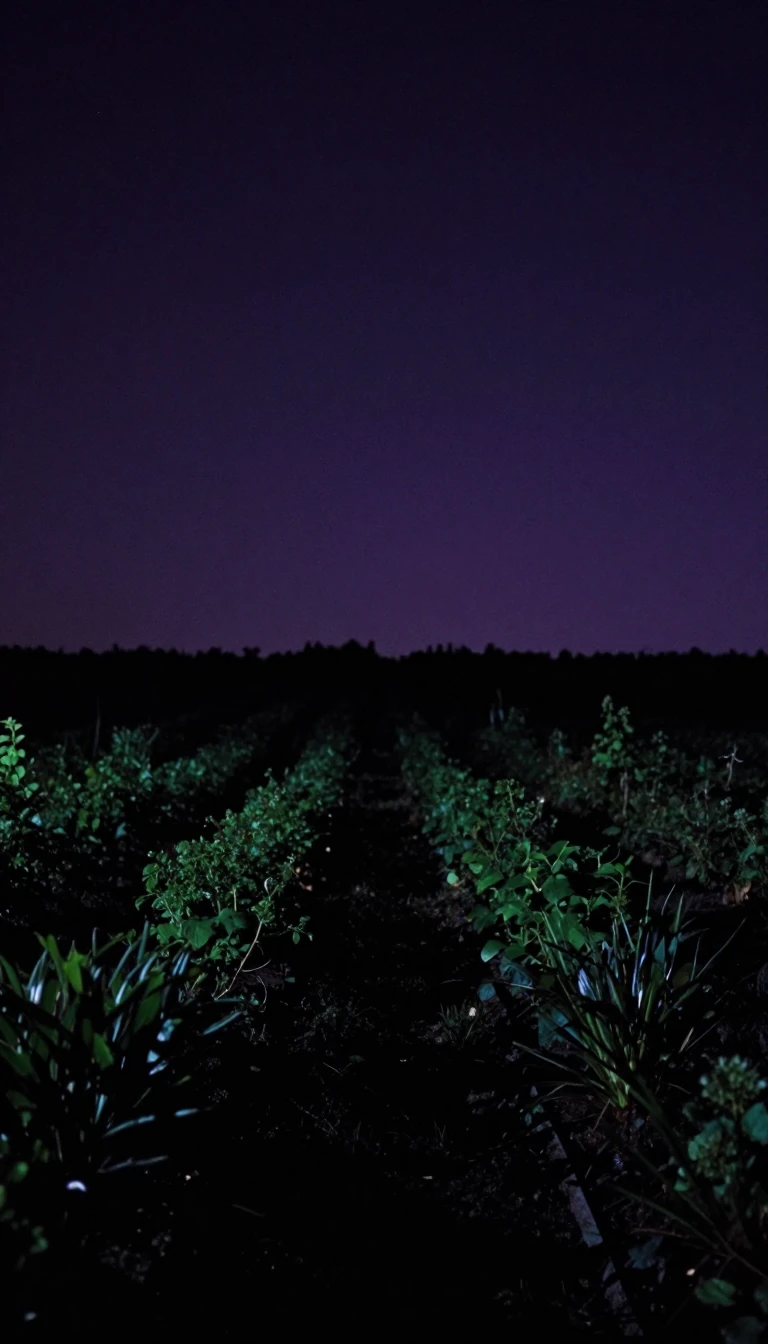
In short: Beyond merely preventing erosion, these non-harvested plants act as biological powerhouses. By fixing nitrogen, suppressing weeds through allelopathy, and creating complex habitats for beneficial wildlife, cover crops transform depleted fields into resilient ecosystems. They offer a potent, nature-based alternative to the heavy reliance on synthetic chemical fertilizers.
Cover crops are plants grown specifically to manage agroecosystems rather than for harvest. While their most common role is preventing soil erosion by anchoring earth with root networks and slowing rainfall velocity, their impact on soil chemistry is equally profound. By increasing microbial activity and organic matter, they improve the soil's ability to hold water and nutrients. This process, often involving leguminous species like lupins or clover, utilizes biological nitrogen fixation to convert atmospheric nitrogen into a form crops can actually use.
The reliance on industrial nitrogen fixation, developed via the Haber–Bosch process, has faced criticism for its environmental toll, including the creation of massive hypoxic 'dead zones' like the one in the Gulf of Mexico, which spanned over 22,000 square kilometres in 2017. In contrast, cover crops offer a sustainable path forward. 'Green manure' crops, when plowed under, recycle nutrients and boost soil fertility. Meanwhile, 'catch crops' scavenge surplus nitrogen from previous seasons, preventing it from leaching into waterways and causing eutrophication.
Beyond chemistry, cover crops serve as sophisticated pest and weed management tools. Through the 'smother effect,' dense stands block light to weed seeds, while allelopathic species like rye release biochemicals that inhibit weed germination. Research, such as a 2023 study from Cornell University, suggests that strategic selection of cover crops can reduce weed growth by up to 99%. Furthermore, these plants act as habitat for natural predators and wildlife; in the Southern United States, cotton fields integrated with clover saw songbird densities 7 to 20 times higher than conventional fields, proving that agricultural productivity and ecological complexity can thrive in tandem.
Opens the Intellect+ feed with this card first. Swipe up for the next one.
Sources
- Summary by Intellect · source: Cover crop
To cite this card, link to https://intellectplus.co.uk/app/gardening-cover-crop.
How we source, check and correct cards: Editorial standards.
General information, not professional advice. Spotted an error? Flag the card or see corrections and complaints.
Intellect Plus is a visual educational discovery platform for exploring fascinating facts and ideas. Brain Food, Not Brain Rot. What is Intellect Plus?
Related
More in Agriculture · More in Gardening · Latest · A–Z · All topics
