How ancient desert civilizations engineered water to turn arid landscapes into lush, productive farms
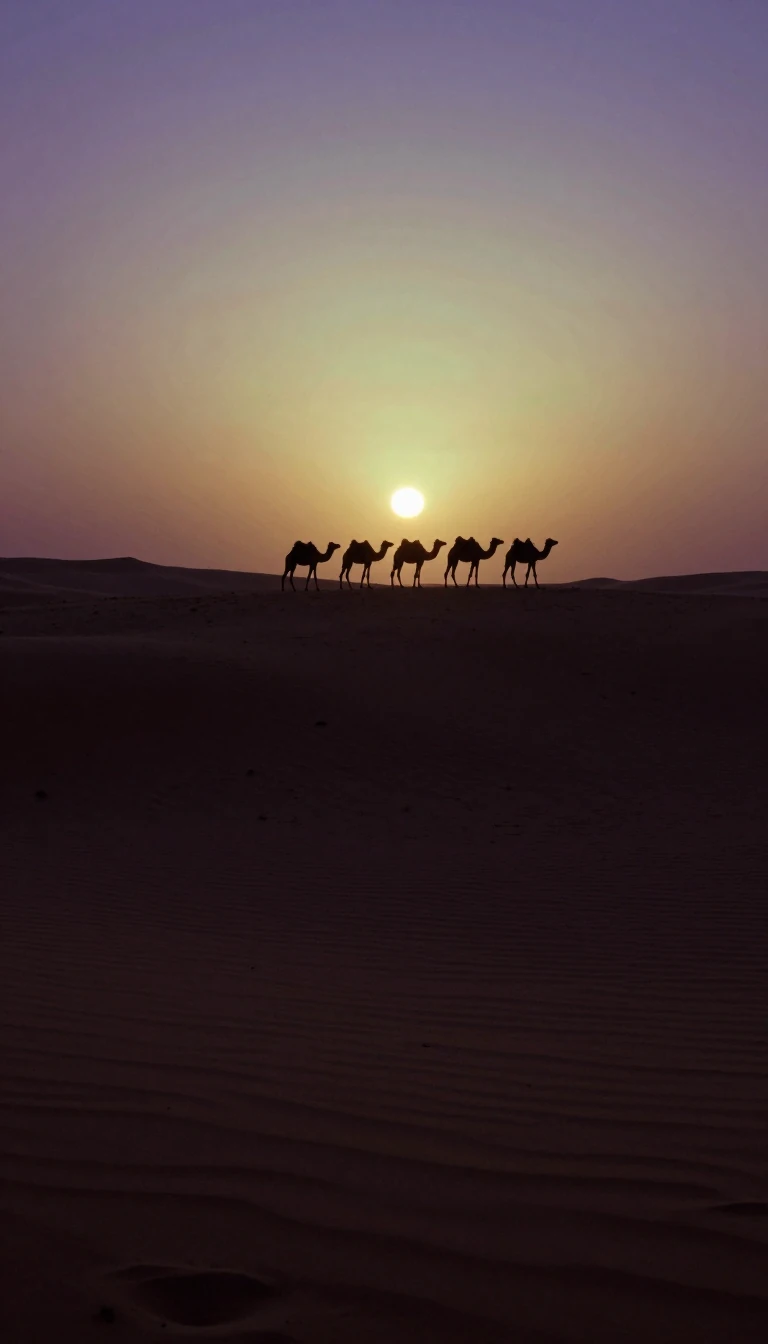
In short: Desert farming is not a modern invention but a millennia-old necessity. From the Negev to the American Southwest, ancient societies mastered water harvesting and canal engineering to thrive in scarcity. Today, these historical lessons in efficiency are being refined through desalination and drip irrigation to feed a growing global population.
Humanity has cultivated arid environments for thousands of years, with evidence of agriculture in the Negev dating back to 5000 BC. Early civilizations, including those in the Indus Valley and Ancient Egypt, flourished by managing water in desert surroundings. In the Negev, Byzantine-era cities reached a peak of prosperity in the 6th century by utilizing sophisticated runoff management. Researchers like Michael Evenari identified techniques such as wadi terracing, flash-flood dams, and 'grape mounds'—rock piles that accelerated topsoil erosion and water transport to cultivated plots. This allowed for intensive grape production, though the industry eventually collapsed due to economic instability, the Justinianic Plague, and the Late Antique Little Ice Age.
In North America, indigenous tribes like the Hopi and Navajo adapted to desert life through spiritual connection and practical innovation. The Hohokam people in the Salt River Valley constructed an extensive canal system between 600 AD and 1450 AD without the wheel or metal tools. While this engineering feat supported massive populations, it ultimately led to soil salinization, forcing a transition to 'Ak-Chin' farming, which utilizes seasonal floodwaters from washes. This reliance on natural hydrology required immense socio-political organization to maintain resources and labor forces.
Modern desert agriculture faces the challenge of absolute water scarcity, which is projected to affect 1.8 billion people by 2025. Israel has emerged as a leader in this field, pioneering drip irrigation—an invention by Simcha Blass that can double crop yields while drastically reducing water consumption. By 2011, Israel was reusing 86% of its wastewater, with reclaimed water accounting for 40% of its agricultural supply. Additionally, large-scale desalination plants, such as the Sorek facility in Tel Aviv, now provide a significant portion of the nation's water. These advancements demonstrate that while arid environments are inherently challenging, strategic water management and technological innovation can sustain significant agricultural output.
Opens the Intellect+ feed with this card first. Swipe up for the next one.
Sources
- Summary by Intellect · source: Desert farming
To cite this card, link to https://intellectplus.co.uk/app/gardening-desert-farming.
How we source, check and correct cards: Editorial standards.
General information, not professional advice. Spotted an error? Flag the card or see corrections and complaints.
Intellect Plus is a visual educational discovery platform for exploring fascinating facts and ideas. Brain Food, Not Brain Rot. What is Intellect Plus?
Related
More in Agriculture · More in Gardening · Latest · A–Z · All topics
