Why higher crop yields do not always mean a more successful farm
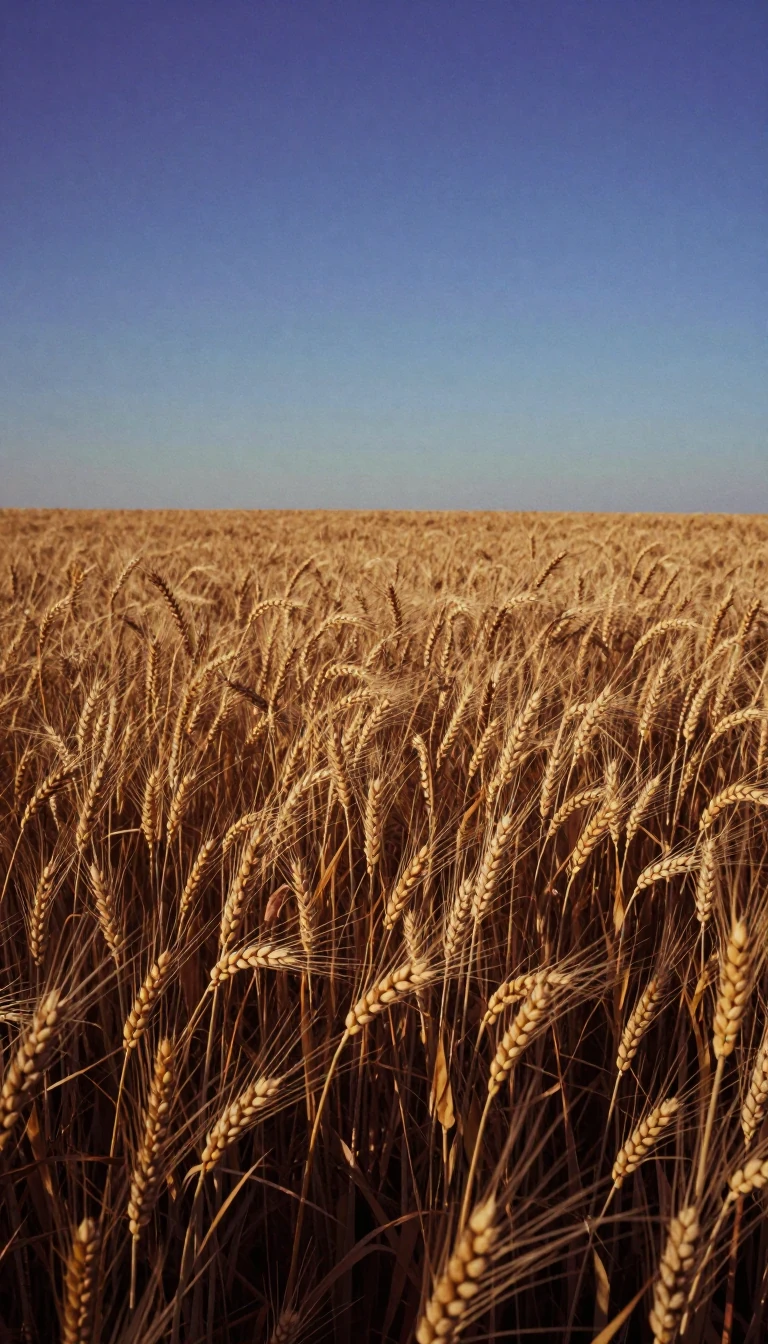
In short: Yield measures the weight of crops per unit of land, but it is not the same as productivity. A farmer might boost yields with expensive fertilizers, yet see profits plummet. Understanding the difference between raw output and economic return is the key to sustainable agriculture and long-term farming success.
At its core, crop yield is a simple metric: the amount of produce—whether grain, meat, or wool—harvested from a specific area of land. Historically, this measurement has tracked human progress. In the United Kingdom, medieval cereal yields hovered around 500 kg/ha, rising to 2,000 kg/ha during the Industrial Revolution, and soaring to 8,000 kg/ha following the Green Revolution. These gains allowed societies to move beyond subsistence, freeing labor for industry and fueling the growth of cities.
However, yield is only a partial measure of success. Agricultural productivity accounts for the financial cost of inputs, whereas yield ignores them. If a farmer spends excessively on fertilizers to achieve a marginal increase in output, the operation may become less profitable. This tension is captured by the law of diminishing returns, a concept explored by Alexander Mitscherlich in 1909 and later linked to Liebig’s Law of the Minimum. This principle suggests that yield is constrained by the scarcest necessary resource, meaning that simply adding more of one input yields progressively smaller gains.
Today, the stakes are rising. In 2025, approximately 1.7 billion people live in regions suffering from degradation-induced yield losses. While high-income nations often mask these issues through intensive input use, this approach frequently hides environmental damage. Furthermore, climate change is creating new volatility; a 2026 report by the FAO and WMO warns that temperatures exceeding 25 °C can trigger significant, cascading harvest losses. As we look toward the future, the challenge is not just to increase the weight of the harvest, but to balance these yields with economic viability and ecological health.
Opens the Intellect+ feed with this card first. Swipe up for the next one.
Sources
- Summary by Intellect · source: Crop yield
To cite this card, link to https://intellectplus.co.uk/app/gardening-crop-yield.
How we source, check and correct cards: Editorial standards.
General information, not professional advice. Spotted an error? Flag the card or see corrections and complaints.
Intellect Plus is a visual educational discovery platform for exploring fascinating facts and ideas. Brain Food, Not Brain Rot. What is Intellect Plus?
Related
More in Agriculture · More in Gardening · Latest · A–Z · All topics
