Why the humble dewberry is a botanical master of the ground-hugging lifestyle
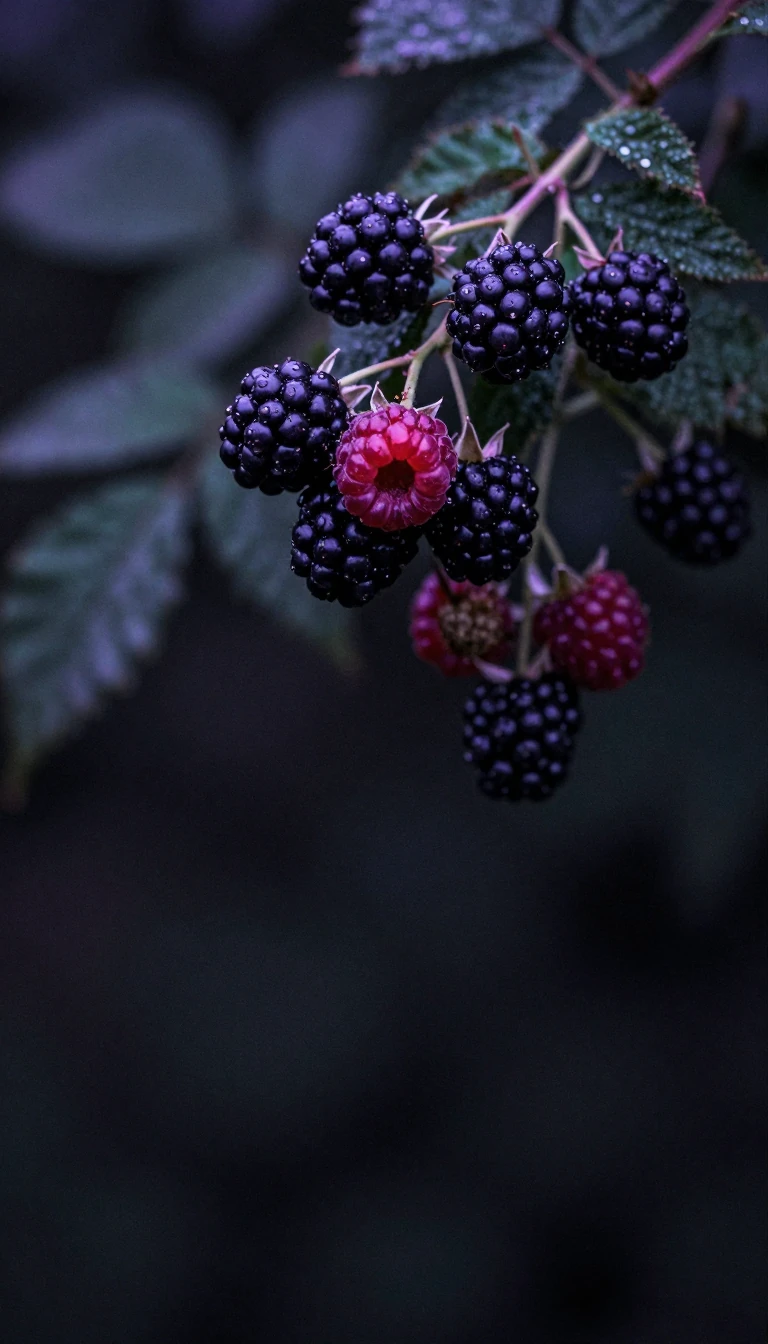
In short: Often dismissed as a common weed, the dewberry is a sophisticated trailing bramble that dominates the Northern Hemisphere. Unlike its upright blackberry cousins, this low-growing perennial uses a clever vegetative strategy to colonize landscapes, turning its own stems into a sprawling, root-anchored network that defies traditional garden boundaries.
Dewberries belong to the genus Rubus, a diverse group within the rose family. While they are closely related to blackberries, they are distinguished by their trailing habit; rather than growing tall, arching canes, they creep along the ground. A defining characteristic of many species is their ability to spread vegetatively: when their stems touch the soil, they frequently sprout roots at the tips, allowing the plant to expand its territory efficiently. These plants are often heavily armed with prickles and feature palmately compound leaves, typically consisting of three to five toothed leaflets.
The reproductive biology of the dewberry is equally distinct. Many species are dioecious, meaning individual plants are strictly male or female. During the spring, they produce white, five-petaled flowers that develop into aggregate fruits. While these are colloquially called berries, they are technically clusters of drupelets. In North American species, these fruits ripen from green to red and finally to a deep purple-black. The European dewberry, Rubus caesius, offers a different aesthetic; its fruits are coated in a waxy, dew-like layer that gives them a pale, sky-blue appearance, though they are often noted for being more tart than their American counterparts.
Cultivation of these plants has a storied past. In the late 19th and early 20th centuries, Cameron, North Carolina, earned the title of 'dewberry capital of the world,' leveraging the local railroad network to ship the fruit nationally and internationally. Today, while they are sometimes considered beneficial weeds, they remain a culinary favorite for cobblers, jams, and pies. Beyond the kitchen, they serve as ecological contributors, with their leaves providing sustenance for various moth larvae, such as the peach blossom moth. Whether found in coastal sand dunes or wild thickets, the dewberry remains a resilient, if occasionally prickly, fixture of the landscape.
Opens the Intellect+ feed with this card first. Swipe up for the next one.
Sources
- Summary by Intellect · source: Dewberry
- Also: Dewberry | Description, Fruit, Plant, Uses, & Facts | Britannica
To cite this card, link to https://intellectplus.co.uk/app/gardening-dewberry.
How we source, check and correct cards: Editorial standards.
General information, not professional advice. Spotted an error? Flag the card or see corrections and complaints.
Intellect Plus is a visual educational discovery platform for exploring fascinating facts and ideas. Brain Food, Not Brain Rot. What is Intellect Plus?
Related
More in Plants · More in Gardening · Latest · A–Z · All topics
