Why the humble bramble is a botanical nightmare for even the best scientists
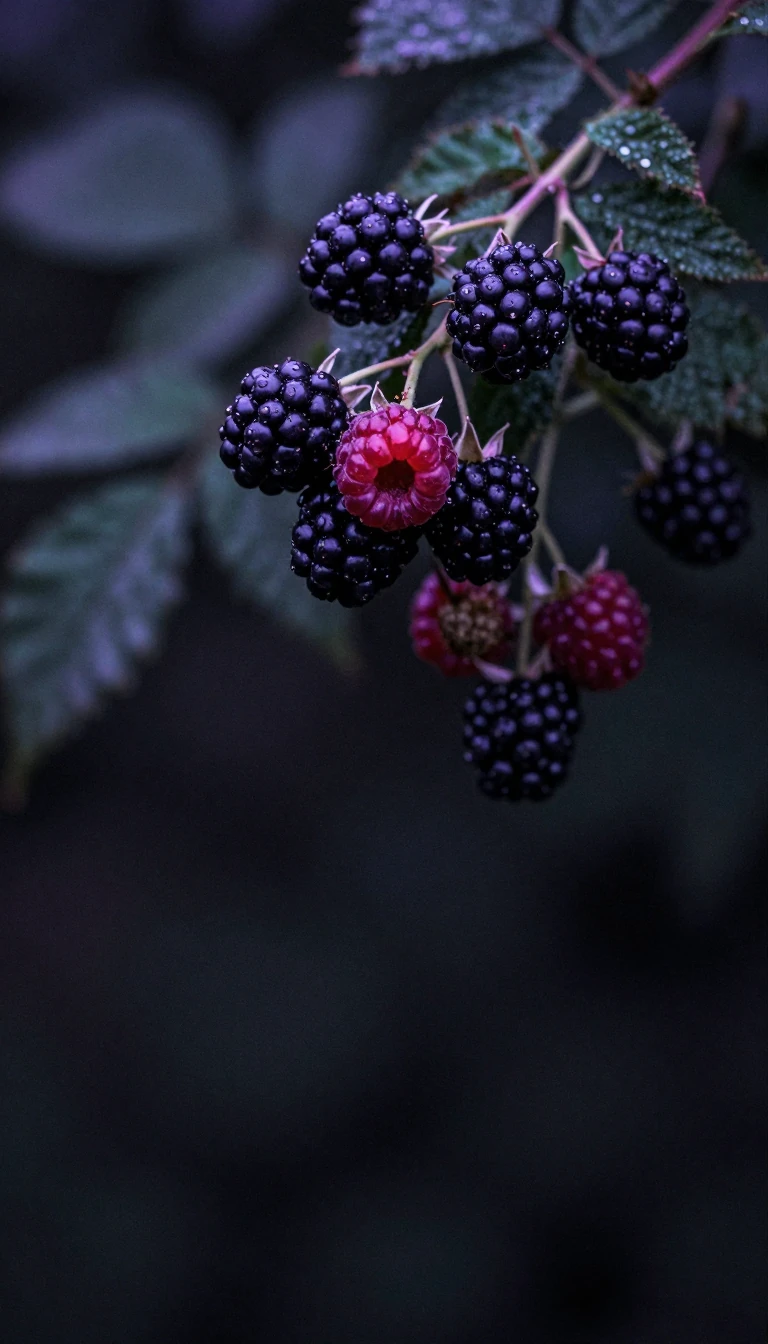
In short: From raspberries to blackberries, the Rubus genus is a global powerhouse of fruit. Yet, beneath their thorny canes lies a chaotic genetic landscape defined by polyploidy and hybridization. Botanists have struggled for over a century to classify these plants, turning the study of brambles into a legendary taxonomic challenge.
The Rubus genus, commonly known as brambles, encompasses a staggering diversity of species, with estimates ranging from 250 to over 1,000. Found on every continent except Antarctica, these plants are defined by their aggregate fruits, which are clusters of tiny drupelets. Most species grow as shrubs with woody, prickled stems, though their growth habits vary from upright canes to trailing vines. While the rootstock is perennial, the shoots are typically biennial, meaning they require two years to flower and fruit.
Classifying Rubus is notoriously difficult, a field of study sometimes called batology. The genus is plagued by complex genetic phenomena, including polyploidy—where plants carry more than two sets of chromosomes—and facultative apomixis, which allows them to set seed without fertilization. These traits, combined with a tendency to hybridize, make it nearly impossible to draw clean lines between species. Early attempts at organization, such as the 1910–1914 work of Wilhelm Olbers Focke, have been largely superseded by modern genetic studies that reveal many traditional subgenera are not monophyletic.
The evolutionary history of Rubus traces back to North America, with fossils dating to the Eocene epoch, approximately 34 million years ago. By the Miocene, the genus had spread across Eurasia, South America, and Oceania. Today, the creation of hybrid berries—such as the loganberry, boysenberry, and tayberry—continues this tradition of interbreeding. Because these plants interbreed so readily, even modern molecular data often fails to align with traditional morphological classifications based on leaf and stem structure, leaving the true relationships within the genus a subject of ongoing scientific debate.
Opens the Intellect+ feed with this card first. Swipe up for the next one.
Sources
- Summary by Intellect · source: Rubus
To cite this card, link to https://intellectplus.co.uk/app/gardening-rubus.
How we source, check and correct cards: Editorial standards.
General information, not professional advice. Spotted an error? Flag the card or see corrections and complaints.
Intellect Plus is a visual educational discovery platform for exploring fascinating facts and ideas. Brain Food, Not Brain Rot. What is Intellect Plus?
Related
More in Plants · More in Gardening · Latest · A–Z · All topics
