The myth of the medieval war horse: why draft horses are modern inventions
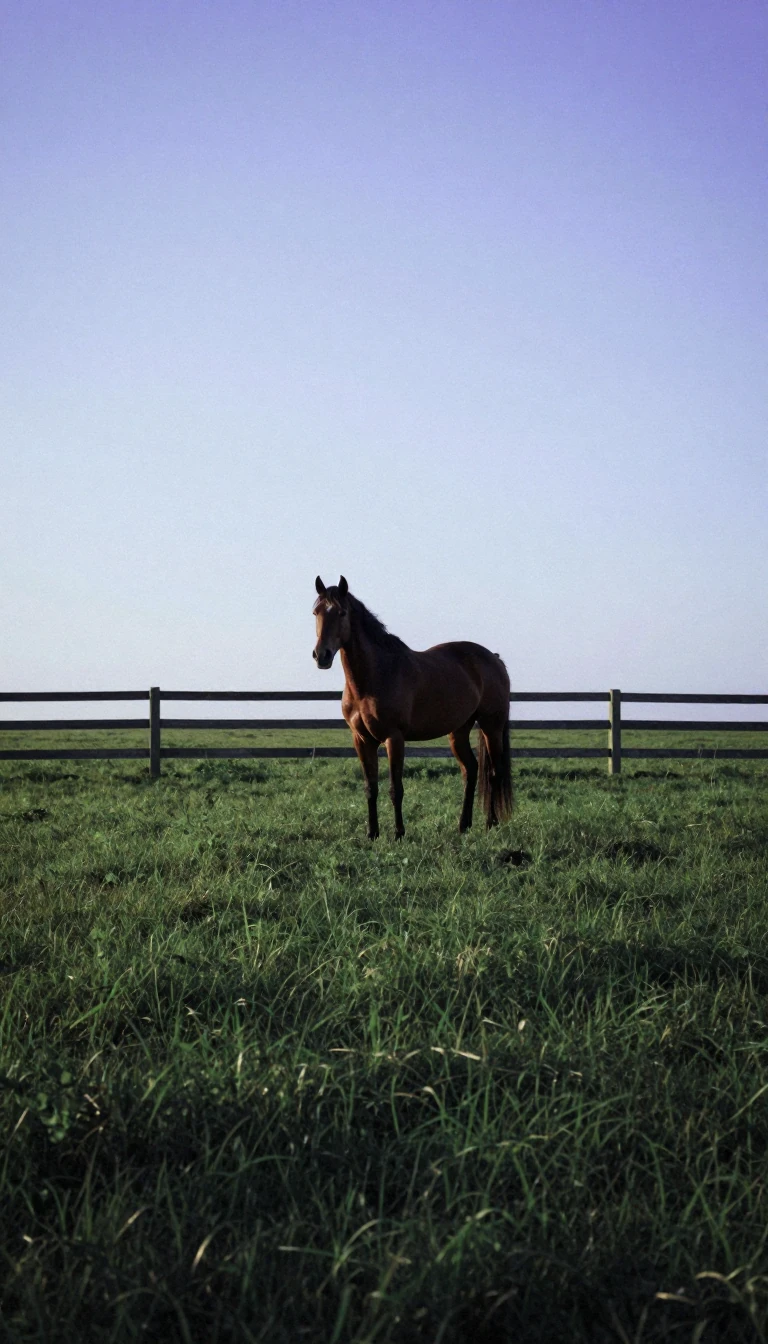
In short: Contrary to popular belief, the armored knight of the Middle Ages did not ride a massive draft horse. Those legendary Destriers were actually closer in size and spirit to modern Andalusians. The heavy, muscular draft horse we recognize today is a product of selective breeding for agricultural and industrial labor.
The draft horse is defined by its immense stature and calm temperament, traits intentionally cultivated to haul heavy freight and plow fields. While medieval war horses were often imagined as giants, historical records suggest they were significantly smaller and more agile than the modern heavy breeds. The draft horse as we know it emerged from a need for power in the 19th century, when industrialization and the expansion of railroads created a massive demand for animals capable of moving goods to and from rail stations.
During the late 19th and early 20th centuries, a global trade in these animals flourished. Thousands of Percherons from France, Shires from England, and Clydesdales from Scotland were imported into the United States to meet the needs of a growing economy. By 1915, the Percheron was the most numerous draft breed in America, with 40,000 broodmares registered. Their utility was so profound that during World War I, the British Army relied heavily on American imports, which eventually comprised about two-thirds of their total war horse stock.
The rise of the internal combustion engine, particularly the tractor, triggered a sharp decline in the popularity of draft horses following World War I in the United States and after World War II in Europe. Despite this, these animals remain vital in specific niches. They are still utilized by agrarian communities like the Amish and Mennonites, and their ability to navigate dense woodland makes them superior to machines for certain logging operations. Today, they are also celebrated in shows and competitions, serving as a living link to a pre-industrial era of agriculture and transport.
Managing these animals requires specialized knowledge, as their size demands significant resources. They consume hay or forage equivalent to 1.5% to 3% of their body weight daily and can drink up to 95 liters of water. Their care is often more expensive than that of riding horses, with farriers frequently charging double for shoeing due to the specialized equipment and labor needed to support their massive frames.
Opens the Intellect+ feed with this card first. Swipe up for the next one.
Sources
- Summary by Intellect · source: Draft horse
To cite this card, link to https://intellectplus.co.uk/app/gardening-draft-horse.
How we source, check and correct cards: Editorial standards.
General information, not professional advice. Spotted an error? Flag the card or see corrections and complaints.
Intellect Plus is a visual educational discovery platform for exploring fascinating facts and ideas. Brain Food, Not Brain Rot. What is Intellect Plus?
Related
More in Agriculture · More in Gardening · Latest · A–Z · All topics
