A plant's leaves have been shrinking in Britain since the 1860s
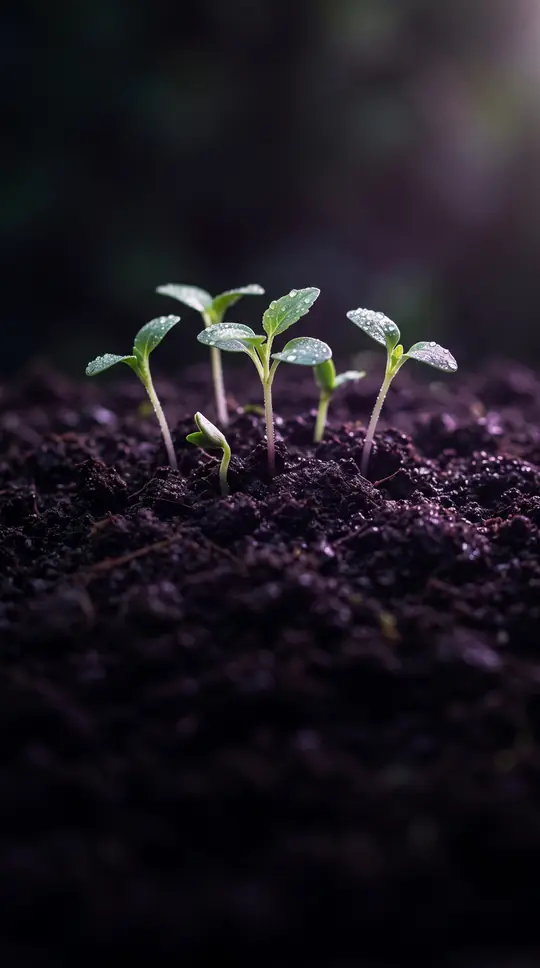
In short: Himalayan balsam reached Britain in 1839 as a garden flower and has since become one of the country's most widespread invasive plants. Scientists studying old herbarium specimens found that its leaves, stomata and flowers have changed measurably over the decades. The plant is evolving as it spreads, and that matters for how we manage it.
Himalayan balsam, Impatiens glandulifera, is native to the Himalayas. It was brought to the British Isles in the early nineteenth century as an ornamental plant, and it has since been recorded in almost every vice county in the UK. It grows fast, can reach around 2.5 metres in Britain, and produces large amounts of nectar and many seeds per plant. Dense stands can crowd out other species, and the plant's shallow roots do little to hold riverbanks together.
A research team led by A. L. Wyatt examined 315 herbarium specimens collected between 1865 and 2017. They measured leaf size, flower length and stomatal characteristics to see how the plant has changed since it arrived. Comparing the earliest decades sampled with the most recent ones, leaf area appeared to fall from about 36.7 square centimetres to about 25.9, and stomatal density was also reported to decline. Flower length, by contrast, was found to increase. The authors frame these as significant changes, and they note that earlier studies had mostly compared native and introduced populations rather than tracking change through time.
The likely explanations include evolution in response to new conditions and phenotypic plasticity, where the same genotype produces different forms in different environments. The study does not settle which mechanism is responsible. Introduced populations often have low genetic diversity, but bottlenecks can limit gene flow and allow rapid divergence, and the authors suggest that changes in competitive ability could influence how the species spreads. Management advice from the same sources is also worth knowing: removing plants before they flower and set seed, and keeping soil covered, are the most reliable ways to deplete the seed bank, while some researchers caution that uncoordinated clearing can sometimes do more harm than good.
Opens the Intellect+ feed with this card first. Swipe up for the next one.
Sources
- Summary by Intellect · source: Rapid morphological change in UK populations of Impatiens glandulifera - Scientific Reports
- Also: Himalayan balsam | RHS Advice
- Also: Impatiens glandulifera
To cite this card, link to https://intellectplus.co.uk/app/gardening-impatiens-glandulifera.
How we source, check and correct cards: Editorial standards.
General information, not professional advice. Spotted an error? Flag the card or see corrections and complaints.
Intellect Plus is a visual educational discovery platform for exploring fascinating facts and ideas. Brain Food, Not Brain Rot. What is Intellect Plus?
Related
More in Plants · More in Gardening · Latest · A–Z · All topics
