The resilient, blue-tinted genus that shaped global textile history
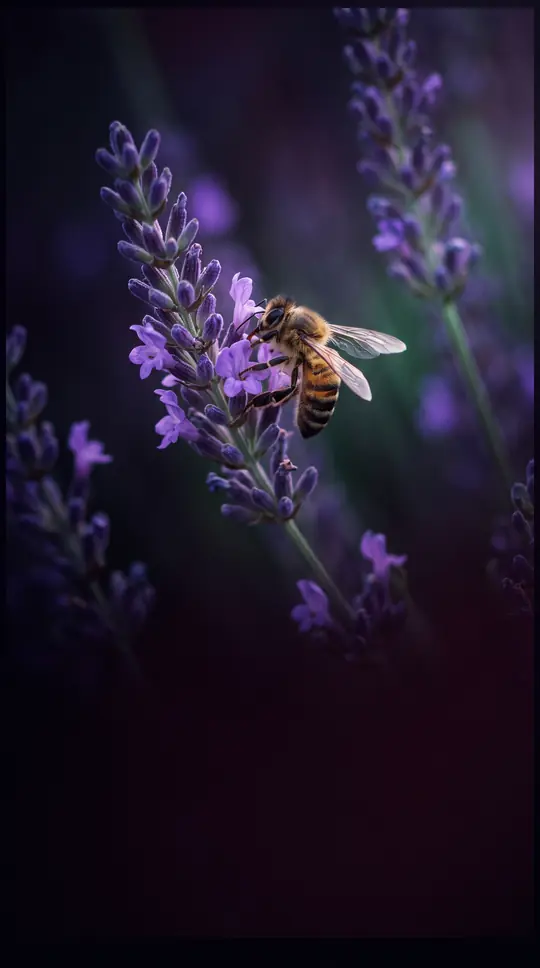
In short: From ancient Peruvian textiles to the birth of modern chemistry, the Indigofera genus has been much more than a simple dye source. With over 750 species, these versatile plants possess a unique ability to fix nitrogen and adapt to diverse environments, making them a cornerstone of agricultural potential.
The genus Indigofera, part of the Fabaceae family, is a vast group of flowering plants distributed across tropical and subtropical regions. While many species are shrubs, others appear as small trees, annuals, or herbaceous perennials. Their physical diversity is striking: some species feature silky-haired branches and pinnate leaves, while others, like Indigofera heterantha, can grow as deciduous shrubs reaching up to 2.5 metres. This morphological variety extends to their fruit, which ranges from straight to sickle-shaped (falcate) pods, and even varies in the thickness of the pericarp tissue.
Beyond their aesthetic appeal—often displaying red, purple, or even greenish-white flowers—these plants possess a significant functional advantage: the ability to maintain constant nitrogen uptake despite changing conditions. This resilience makes them prime candidates for perennial polyculture systems, where they can be integrated with other species to enhance soil fertility. Furthermore, the genus has been a driver of human innovation. The chemical aniline, a precursor to many modern dyes, was first synthesized from Indigofera suffrutical, the very plant that gives the chemical its name.
The historical impact of Indigofera is equally profound. Evidence suggests that indigo-dyed fabrics found at Huaca Prieta predate Egyptian indigo-dyed textiles by more than 1,500 years. In the American colonies, the cultivation of new strains by Eliza Lucas Pinckney and enslaved Africans near Charleston turned indigo into a massive economic force. By the mid-to-late 18th century, it had become the second most important cash crop in South Carolina, accounting for over one-third of the colony's total export value before the American Revolution.
Opens the Intellect+ feed with this card first. Swipe up for the next one.
Sources
- Summary by Intellect · source: Indigofera
- Also: Indigofera heterantha | Himalayan indigo
To cite this card, link to https://intellectplus.co.uk/app/gardening-indigofera.
How we source, check and correct cards: Editorial standards.
General information, not professional advice. Spotted an error? Flag the card or see corrections and complaints.
Intellect Plus is a visual educational discovery platform for exploring fascinating facts and ideas. Brain Food, Not Brain Rot. What is Intellect Plus?
Related
More in Plants · More in Gardening · Latest · A–Z · All topics
