Why Japanese gardens are designed to be seen from a single, fixed point
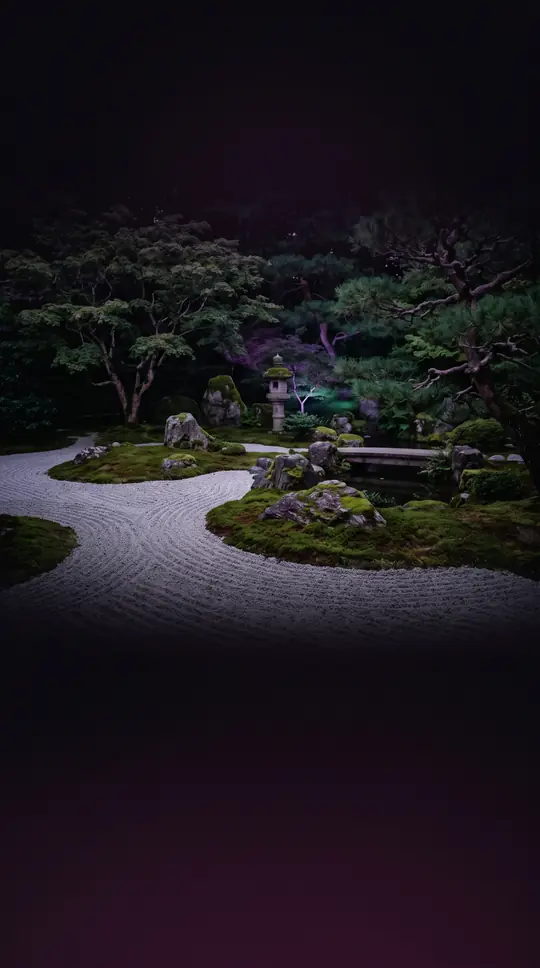
In short: Japanese gardens are not merely landscapes; they are carefully curated philosophical statements. By prioritizing evergreen structures over fleeting flowers and using rocks to represent mythical islands, these spaces invite contemplation. Whether through the stark abstraction of a Zen rock garden or the deliberate path of a teahouse, they manipulate perspective.
Traditional Japanese gardens are designed to express the fragility of existence and the relentless passage of time. Unlike Western gardens that often emphasize herbaceous blooms, Japanese design relies on evergreens as the garden's bones, using rigorous pruning to maintain a natural-seeming appearance. These spaces are intentionally crafted to be viewed from specific, fixed locations—such as a veranda or a designated stopping point along a path—rather than experienced as a panoramic whole.
The roots of this aesthetic lie in a blend of Shinto, Daoism, and Buddhism. Shinto reverence for natural features like rocks and ancient trees, often marked with rice fiber cords to signify purity, established the garden as a space cleansed for the arrival of kami. Later, the introduction of Chinese philosophy in the 6th century brought symbolic landscapes, such as Mount Horai, a mythical island inhabited by immortals. By the 11th century, the Sakuteiki, the first known manual on garden design, codified these principles, emphasizing geomancy and the symbolic flow of water to carry away bad spirits.
The evolution of these gardens reflects Japan's shifting power structures. During the Muromachi period, Zen monks developed the dry garden, or rock garden, such as the famous Ryōan-ji in Kyoto. Measuring just 9 by 24 metres, it uses raked white sand and fifteen rocks to create an abstract composition intended to incite meditation rather than represent a specific natural scene. By the late 16th century, the tea master Sen no Rikyū introduced the roji, or tea garden, which prioritized 'sober refinement' and a rustic, hermit-like atmosphere, further cementing the garden as a tool for spiritual and social discipline.
Opens the Intellect+ feed with this card first. Swipe up for the next one.
Sources
- Summary by Intellect · source: Japanese garden
- Also: GBIF — Japanese Garden Eel (Gorgasia japonica) · http://creativecommons.org/licenses/by/4.0/legalcode
To cite this card, link to https://intellectplus.co.uk/app/gardening-japanese-garden.
How we source, check and correct cards: Editorial standards.
General information, not professional advice. Spotted an error? Flag the card or see corrections and complaints.
Intellect Plus is a visual educational discovery platform for exploring fascinating facts and ideas. Brain Food, Not Brain Rot. What is Intellect Plus?
Related
More in Agriculture · More in Gardening · Latest · A–Z · All topics
