Why Suzhou’s ancient gardens are considered the pinnacle of Chinese landscape design
In short: For nearly a millennium, scholars in Suzhou transformed private spaces into miniature universes of rock, water, and architecture. These gardens, now protected as UNESCO World Heritage sites, did more than decorate a city; they standardized an aesthetic language that would influence imperial design across China for centuries to come.
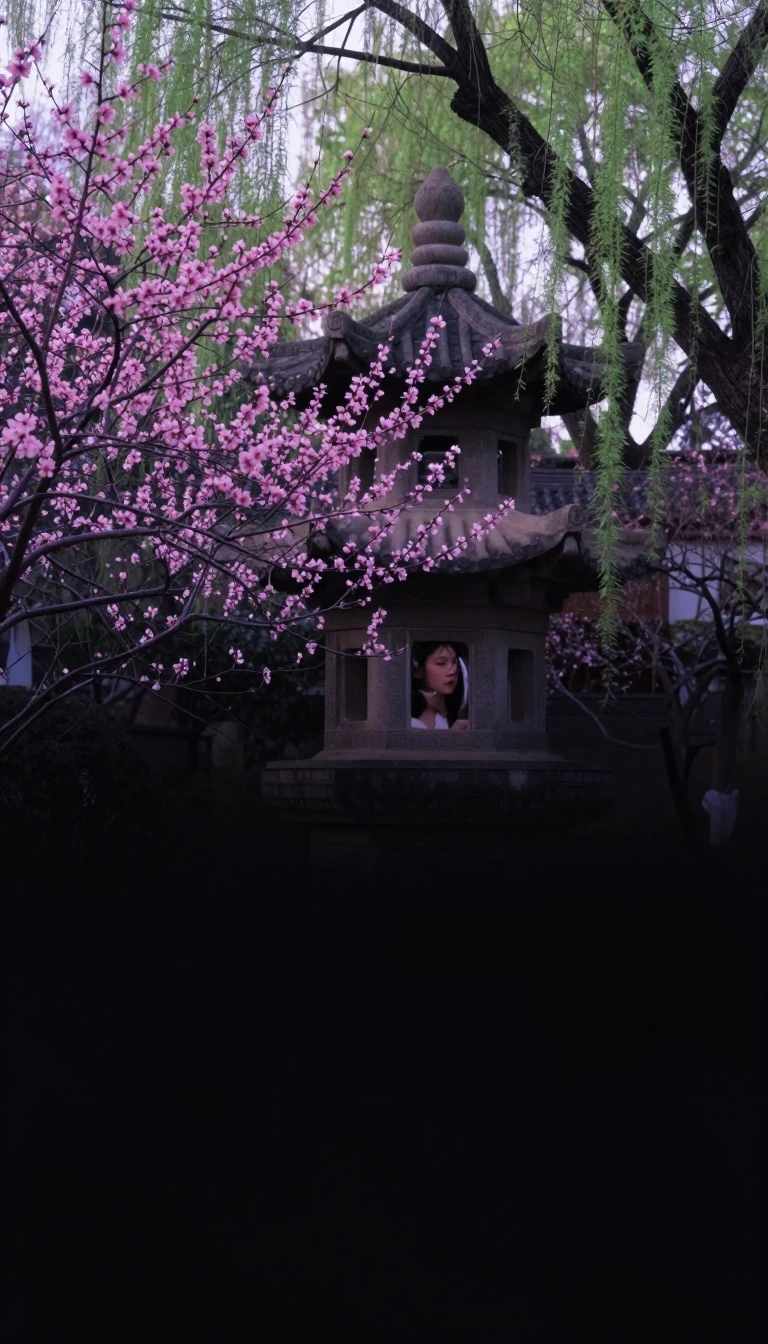
The Classical Gardens of Suzhou represent a profound evolution in landscape architecture, spanning from the Northern Song to the late Qing dynasties between the 11th and 19th centuries. These sites were primarily the creations of scholars who sought to distill the essence of the natural world—mountains, rivers, and rugged terrain—into intimate, controlled environments. By integrating strategically placed pavilions and pagodas, these designers achieved a balance that UNESCO recognizes as the most refined expression of Chinese garden art, reflecting over two thousand years of design development.
During the height of their popularity, particularly between the mid-Ming and early-Qing dynasties, Suzhou boasted as many as 200 private gardens. This creative explosion was driven by renowned designers such as Zhang Liang, Ji Cheng, Ge Yuliang, and Chen Congzhou, whose work became the standard for beauty and subtlety. Their influence was so pervasive that even the grand Imperial Gardens, including those at the Chengde Mountain Resort, looked to these private scholar gardens for inspiration and stylistic guidance.
Today, the legacy of this tradition is preserved through 69 remaining gardens, all of which hold the status of protected National Heritage Sites. In 1997 and 2000, UNESCO selected eight of the finest examples in Suzhou, alongside one in the nearby town of Tongli, to be inscribed as a World Heritage Site. To ensure their survival, the Suzhou Municipal Administrative Bureau of Gardens oversees a rigorous framework of routine maintenance and long-term conservation projects. This systematic approach ensures that the delicate aesthetics and structural integrity of these historic landscapes continue to represent the pinnacle of classical Chinese garden design for future generations.
Opens the Intellect+ feed with this card first. Swipe up for the next one.
Sources
- Summary by Intellect · source: Classical Gardens of Suzhou
- Also: Wikidata — Classical Gardens of Suzhou · CC0
To cite this card, link to https://intellectplus.co.uk/app/places-classical-gardens-of-suzhou.
How we source, check and correct cards: Editorial standards.
General information, not professional advice. Spotted an error? Flag the card or see corrections and complaints.
Intellect Plus is a visual educational discovery platform for exploring fascinating facts and ideas. Brain Food, Not Brain Rot. What is Intellect Plus?
Related
More in World Heritage Sites · More in Countries & Cities · Latest · A–Z · All topics
