Why Chinese gardens were designed to be read like a painted scroll
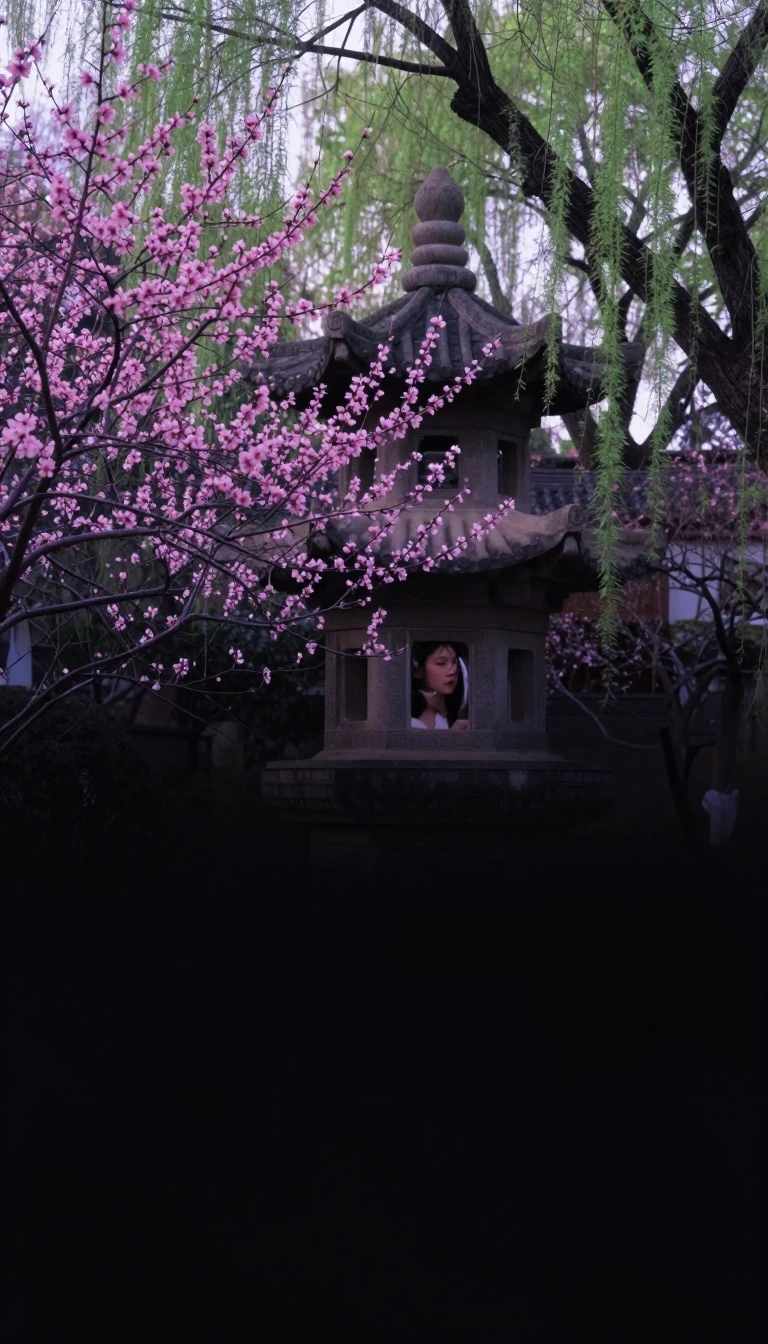
In short: For over three millennia, the Chinese garden has functioned as a miniature, idealized landscape. Far from mere aesthetic displays, these spaces were designed to harmonize humanity with nature. By moving through winding paths and pavilions, visitors experience a sequence of composed scenes that unfold like a living, breathing landscape painting.
The evolution of the Chinese garden spans three thousand years, originating in the Shang dynasty (1600–1046 BC) as vast hunting parks and productive agricultural lands. Over time, these spaces transitioned from royal displays of power—such as the infamous Wine Pool and Meat Forest of King Zhou—into intimate retreats for scholars, poets, and officials. These private spaces served as escapes from the outside world, where the integration of architecture, literature, and nature fostered deep philosophical reflection.
Central to the design of these gardens is the Yichi Sanshan system, a model inspired by the legend of the Isles of the Immortals. This concept features a single pond containing three artificial islands, representing the mythical home of the Eight Immortals. This pursuit of paradise influenced emperors and scholars alike, leading to the construction of elaborate artificial mountains and lakes. During the Tang dynasty (618–907 AD), often called the first golden age of the classical garden, these elements became standardized, with exotic 'Scholars' Rocks' used to represent mountain ranges within a confined space.
The experience of a garden was deeply literary. Figures like Wang Xizhi popularized the 'garden of the floating cup,' where poets sat by meandering streams, composing verses whenever a floating wine cup stopped before them. This tradition of linking gardens to poetry and painting reached its peak in the Song dynasty, where gardens like the Master of the Nets in Suzhou were built to house vast libraries and provide serene environments for study. Even today, the layout of these spaces—enclosed by walls and connected by zig-zag galleries—ensures that every turn reveals a new, carefully curated view, preserving the ancient intent of an immersive, artistic sanctuary.
Opens the Intellect+ feed with this card first. Swipe up for the next one.
Sources
- Summary by Intellect · source: Chinese garden
- Also: www.rhs.org.uk — The Chinese Streamside Garden at RHS Garden Bridgewater, Salford / RHS
To cite this card, link to https://intellectplus.co.uk/app/gardening-chinese-garden.
How we source, check and correct cards: Editorial standards.
General information, not professional advice. Spotted an error? Flag the card or see corrections and complaints.
Intellect Plus is a visual educational discovery platform for exploring fascinating facts and ideas. Brain Food, Not Brain Rot. What is Intellect Plus?
Related
More in Agriculture · More in Gardening · Latest · A–Z · All topics
