The tropical plant family that tricks bees into doing all the hard work
In short: Spanning over 4,960 species across the humid tropical belt, the Melastomataceae family has mastered the art of attraction. These plants often produce nectarless flowers, relying on vibrant displays to lure pollen-collecting bees. It is a sophisticated evolutionary strategy that turns simple pollination into a highly efficient, visual game of deception.
The Melastomataceae family is a diverse group of trees, shrubs, and herbs that dominate the humid tropical belt. While they are found globally, their center of diversity is firmly in the New World, which hosts two-thirds of all known species. Botanists currently recognize more than 4,960 species organized into 188 genera, though classification systems like the APG III have historically shifted the boundaries of the family by incorporating groups such as the Memecylaceae.
The most striking feature of these plants is their foliage. Their leaves are typically opposite and defined by a distinctive venation pattern: 3 to 9 longitudinal veins that often branch from the base of the leaf blade, complemented by transverse tertiary veins. This structural signature makes them easily identifiable to those who know what to look for. Beyond their leaves, the flowers are equally specialized. They often feature thickened anther connectives and petals attached directly to the calyx throat, creating a unique architecture designed for specific pollinators.
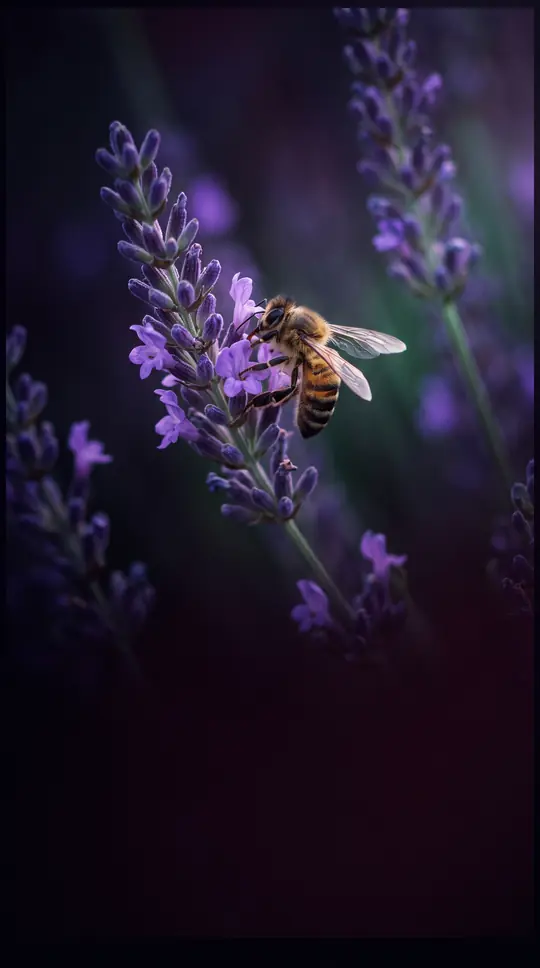
Perhaps most fascinating is their relationship with bees. Many Melastomataceae species offer no nectar, yet they remain highly successful at reproduction. They use conspicuous, often yellow, stamen appendages to attract bees that are specifically seeking pollen. This interaction is so refined that certain species, such as the stingless Melipona bicolor, have become specialized foragers for this plant group. While some members, like the ornamental Medinilla magnifica or the purple-flowered glory bush, are prized in greenhouses and gardens, others have become notorious as invasive species when introduced to new environments, demonstrating the family's remarkable ability to thrive far from their native tropical homes.
Opens the Intellect+ feed with this card first. Swipe up for the next one.
Sources
- Summary by Intellect · source: Melastomataceae | plant family | Britannica
- Also: Melastomataceae
To cite this card, link to https://intellectplus.co.uk/app/gardening-melastomataceae.
How we source, check and correct cards: Editorial standards.
General information, not professional advice. Spotted an error? Flag the card or see corrections and complaints.
Intellect Plus is a visual educational discovery platform for exploring fascinating facts and ideas. Brain Food, Not Brain Rot. What is Intellect Plus?
Related
More in Plants · More in Gardening · Latest · A–Z · All topics
