Olericulture is the precise science of cultivating herbaceous plants for your kitchen table
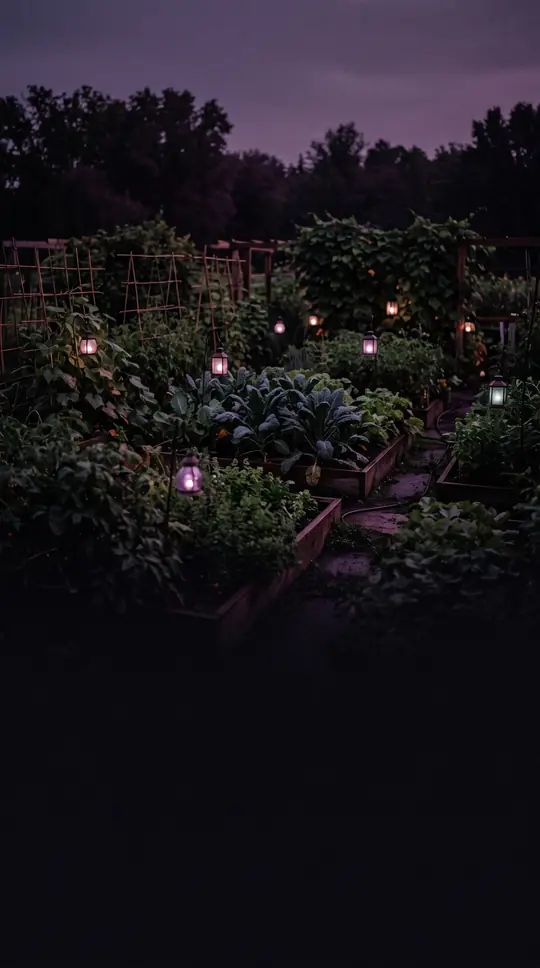
In short: Olericulture is the specialized branch of horticulture dedicated to growing non-woody plants for food. From selecting the right cultivars to mastering soil preparation and crop maintenance, this field encompasses everything from traditional vegetable gardening to advanced hydroponics and biotechnology, ensuring the production of the vegetables we consume daily.
At its core, olericulture focuses on the production of edible plant parts, ranging from roots and stems to leaves and fruits. Unlike pomology, which is dedicated to fruit and nut crops, olericulture centers on herbaceous plants. This discipline is comprehensive, covering the entire lifecycle of a vegetable crop: from initial seedbed preparation and cultivar selection to the complexities of storage, processing, and marketing. It is a vital component of modern agriculture, integrating both traditional farming methods and contemporary innovations like organic practices and sustainable horticulture.
A critical, often overlooked aspect of successful olericulture is soil management, specifically the implementation of effective drainage systems. Because olericulture relies on healthy soil environments, managing water is essential to prevent nutrient leaching and standing water, which can devastate crop yields. Drainage is not a one-size-fits-all solution; it requires careful analysis of soil composition. Soils with high sand or silt content are typically suited for subsurface drainage, whereas clay-heavy soils necessitate surface systems. Designers must account for variables like rainfall patterns, land topography, and the specific water tolerance of the crops being grown.
The engineering of these systems is far from an exact science due to the inherent variability of natural environments. Professionals must often rely on contour mapping to identify low-lying trouble spots, sometimes requiring collective community action to establish proper outlets. Whether utilizing parallel drains for uniform fields or random drains for uneven terrain, the goal remains consistent: creating an environment where vegetables can thrive without the threat of waterlogging. By balancing these technical drainage requirements with the biological needs of specific vegetable varieties, olericulturists ensure sustained, high-level production of the food that sustains our daily lives.
Ultimately, olericulture bridges the gap between basic gardening and large-scale agricultural production. It demands a deep understanding of plant science, soil physics, and environmental engineering. Whether managing a small organic plot or a commercial operation, the olericulturist must synthesize these diverse factors to optimize growth, proving that the simple act of growing vegetables is a sophisticated, multifaceted endeavor rooted in both ancient practice and modern scientific inquiry.
Opens the Intellect+ feed with this card first. Swipe up for the next one.
Sources
- Summary by Intellect · source: Olericulture | Britannica
- Also: Olericulture
To cite this card, link to https://intellectplus.co.uk/app/gardening-olericulture.
How we source, check and correct cards: Editorial standards.
General information, not professional advice. Spotted an error? Flag the card or see corrections and complaints.
Intellect Plus is a visual educational discovery platform for exploring fascinating facts and ideas. Brain Food, Not Brain Rot. What is Intellect Plus?
Related
More in Agriculture · More in Gardening · Latest · A–Z · All topics
