Beyond the fence: Understanding the complex science behind the land that feeds livestock
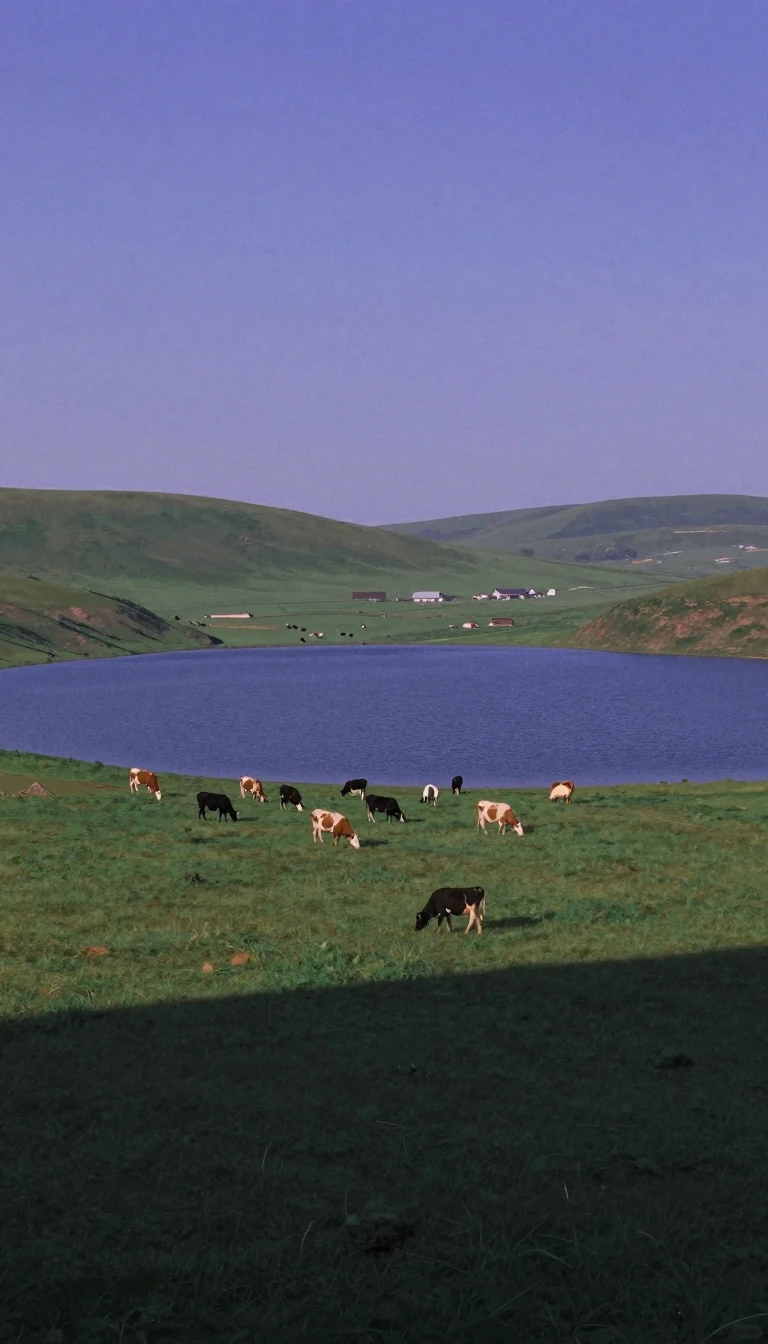
In short: Pasture is more than just a field of grass for animals to roam. It is a carefully managed ecosystem where soil, climate, and vegetation intersect to sustain life. From intensive, enclosed farmland to vast, wild rangelands, the way we manage these spaces dictates the health of our global food systems.
At its core, pasture is land dedicated to grazing, derived from the Latin word for feeding. In a narrow sense, it refers to enclosed tracts of farmland where domesticated livestock like cattle, horses, sheep, and swine feed on a mix of grasses, legumes, and forbs. This is distinct from meadows, which are typically mown to produce hay for fodder rather than grazed throughout the summer. The management of these lands is highly intensive, involving irrigation, seeding, and the application of fertilizers to maximize forage production.
In a broader sense, the term encompasses rangelands and unenclosed systems where both domestic and wild animals graze. Unlike the intensive management of fenced pastures, rangelands rely on extensive practices such as controlled burning and the regulation of grazing intensity to maintain native vegetation. The success of any pasture system is deeply tied to environmental variables, including soil composition, rainfall patterns, and annual temperature ranges. For instance, the productivity of a sheepwalk—a specific type of grassland—is heavily influenced by the underlying rock, which dictates the carrying capacity of the land.
Pasture feeding remains the dominant method of livestock production in regions where traditional crop sowing and harvesting are difficult, such as arid or mountainous terrains. In these environments, animals like yaks, goats, and camels thrive, having evolved to suit the metabolism and diet required by hostile landscapes. Conversely, in humid regions, pasture grazing is a cornerstone of organic and free-range farming. Over generations, the interaction between ruminants and their environment can create a symbiotic relationship, where the animals' grazing and fertilizing habits become integral to the stability and health of the specific ecosystem they inhabit.
Opens the Intellect+ feed with this card first. Swipe up for the next one.
Sources
- Summary by Intellect · source: Pasture
To cite this card, link to https://intellectplus.co.uk/app/gardening-pasture.
How we source, check and correct cards: Editorial standards.
General information, not professional advice. Spotted an error? Flag the card or see corrections and complaints.
Intellect Plus is a visual educational discovery platform for exploring fascinating facts and ideas. Brain Food, Not Brain Rot. What is Intellect Plus?
Related
More in Agriculture · More in Gardening · Latest · A–Z · All topics
