The flooded fields that feed half the world and shaped ancient civilizations
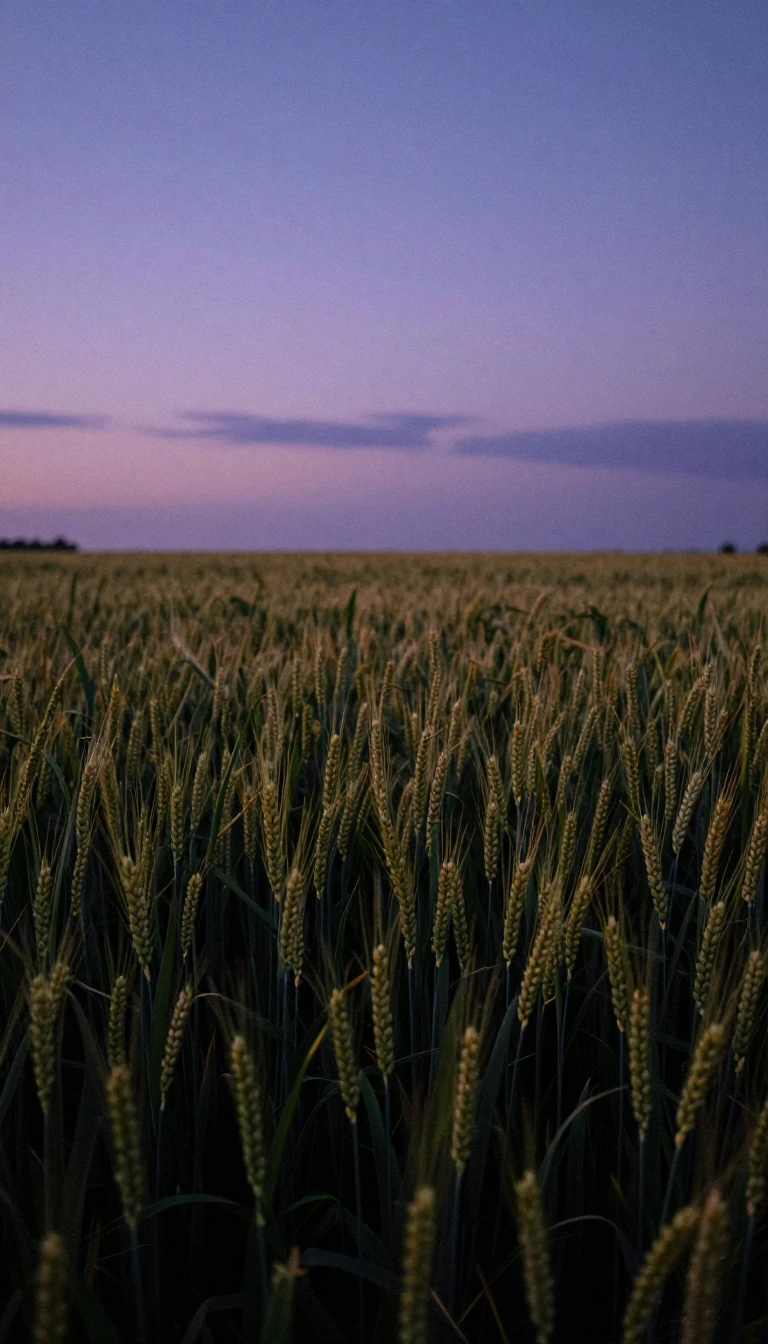
In short: Paddy fields are more than just flooded plots of land; they are the backbone of global food security. By submerging rice in shallow water, farmers have sustained billions for millennia. This ancient technology, born in Neolithic China, remains a marvel of agricultural engineering that continues to evolve today.
The paddy field is a specialized agricultural environment designed to cultivate Oryza sativa, a grass upon which roughly half the human population depends. Unlike dryland crops, rice thrives in submerged conditions, typically requiring fields enclosed by levees and flooded to a depth of 5 to 10 centimeters throughout the growing season. This method, while labor-intensive, allows for highly productive yields ranging from 700 to 4,000 kilograms per hectare. In hilly terrain, farmers adapt by constructing elaborate terraces to maintain these water levels across varying elevations.
The origins of this practice trace back to the Yangtze River basin in China, where archaeological evidence of rice cultivation dates to between 7000 and 5000 BCE. By the late Neolithic period, around 3500 to 2500 BCE, the intensification of paddy farming supported rapid population growth and the emergence of complex, state-like socio-political structures. The technology spread across Asia through prehistoric migrations, eventually reaching diverse global regions, from the wetlands of Spain to the Sacramento Valley in California. The term itself reflects this deep history, derived from the Malay word padi, meaning the rice plant.
Modern rice production faces a dual challenge: maintaining high yields while addressing environmental and nutritional concerns. While the Green Revolution of the 1960s introduced high-productivity strains like miracle rice, these varieties often struggled in poor soil conditions. Today, the industry is balancing traditional techniques with modern milling and drying processes to minimize grain loss. Furthermore, the environmental impact of paddy fields—which account for at least 10 percent of global methane emissions—has spurred research into alternative irrigation methods, such as drip systems, to ensure this essential crop remains sustainable for future generations.
Beyond the grain, the paddy ecosystem supports a unique biodiversity, including species like the common paddy field frog and the Ceylon paddy field crab. The versatility of the plant extends to its by-products, with straw used for everything from roof thatching to livestock feed, and hulls utilized in industrial chemical manufacturing. This circular utility underscores why the paddy remains a cornerstone of both rural economies and global food systems.
Opens the Intellect+ feed with this card first. Swipe up for the next one.
Sources
- Summary by Intellect · source: Paddy | Rice Farming, Harvesting & Processing | Britannica
- Also: Paddy field
To cite this card, link to https://intellectplus.co.uk/app/gardening-paddy-field.
How we source, check and correct cards: Editorial standards.
General information, not professional advice. Spotted an error? Flag the card or see corrections and complaints.
Intellect Plus is a visual educational discovery platform for exploring fascinating facts and ideas. Brain Food, Not Brain Rot. What is Intellect Plus?
Related
More in Agriculture · More in Gardening · Latest · A–Z · All topics
