From ancient Mesopotamian luxury to a wartime staple, the humble pickle has a storied past.
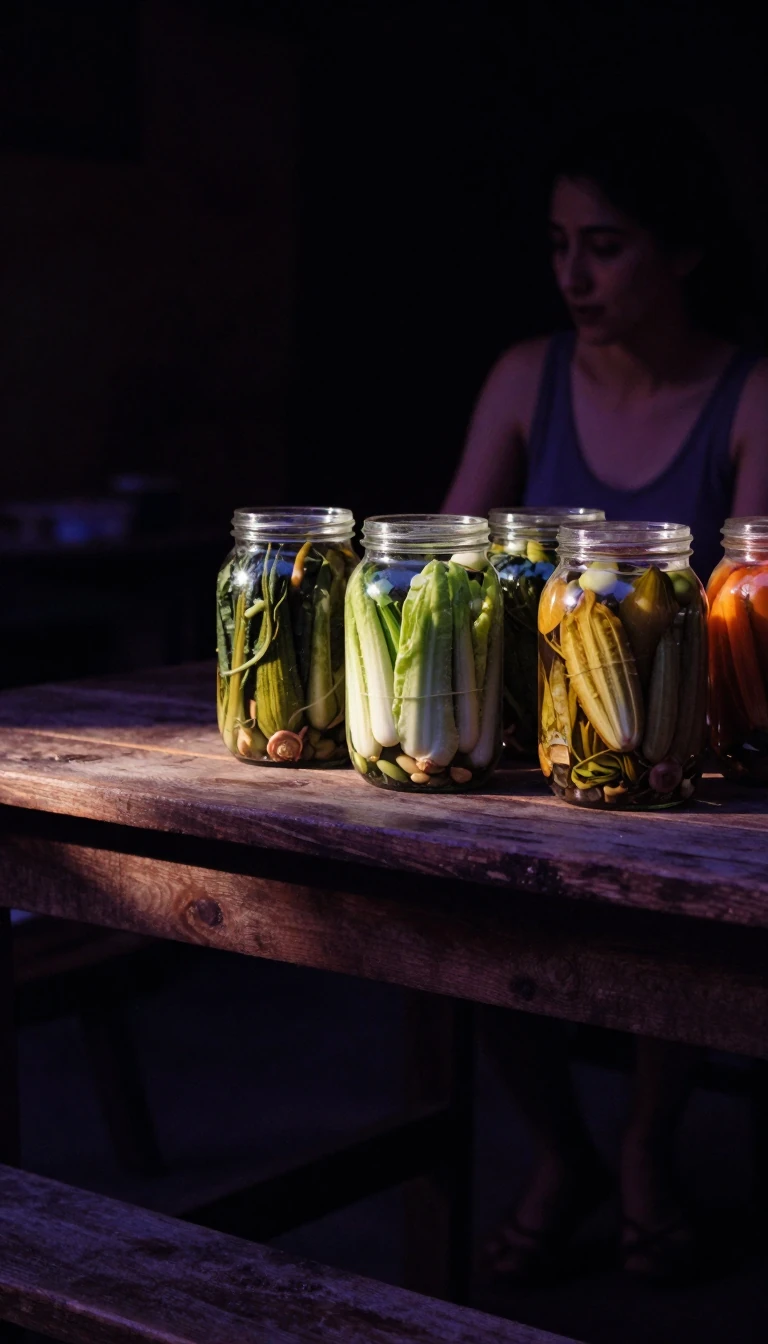
In short: Long before they were a standard deli side, pickled cucumbers were prized by royalty and essential for survival. Whether fermented in salt brine or preserved in vinegar, these crunchy, probiotic-rich treats have evolved from a labor-intensive luxury of the Victorian era into a global culinary phenomenon found in everything from soups to snacks.
The origins of the pickled cucumber are shrouded in history and hypothesis. While some suggest they were first created for laborers constructing the Great Wall of China, archaeological evidence points toward Mesopotamia as early as 2400 B.C. These early pickles were made using cucumbers native to India. By the time of Queen Cleopatra, they were already celebrated for their perceived health and beauty benefits, cementing their status as a food of historical significance.
At their core, pickles are defined by their preservation method. Traditional brined pickles rely on lacto-fermentation, where Lactobacillus bacteria naturally present on the cucumber skin transform the vegetable. This process requires only water, salt, and time, often enhanced with spices like garlic, dill, and mustard seeds. In contrast, vinegar-based pickling—often used for commercial varieties or sweet styles like bread-and-butter pickles—provides a different flavor profile and longer shelf life. Techniques vary widely, from the sun-leavened pickles of Hungary to the lime-soaked crisped cucumbers of the American South.
The cultural footprint of the pickle is vast. During World War II, the United States government prioritized their production, dedicating 40% of the national supply to the armed forces. In the Victorian era, they were a status symbol, served in ornate silver holders. Today, they remain a versatile ingredient, appearing in Russian rassolnik soup, French cornichons, and even as deep-fried appetizers. Beyond their culinary utility, they are being studied for their probiotic potential, with species like L. plantarum contributing to their nutritional value.
Despite their popularity, pickles are a study in dietary contrasts. A single sour pickle can provide 15% to 20% of the daily recommended intake of vitamin K, yet it may also contain up to 20% of the American daily limit for sodium. Whether enjoyed as a crisp half-sour deli spear or a sweet, vinegar-marinated treat, the pickle remains a testament to human ingenuity in food preservation.
Opens the Intellect+ feed with this card first. Swipe up for the next one.
Sources
- Summary by Intellect · source: Pickled cucumber
To cite this card, link to https://intellectplus.co.uk/app/gardening-pickled-cucumber.
How we source, check and correct cards: Editorial standards.
General information, not professional advice. Spotted an error? Flag the card or see corrections and complaints.
Intellect Plus is a visual educational discovery platform for exploring fascinating facts and ideas. Brain Food, Not Brain Rot. What is Intellect Plus?
Related
More in Plants · More in Gardening · Latest · A–Z · All topics
