The black spruce is a resilient survivor that thrives in the world's harshest bogs.
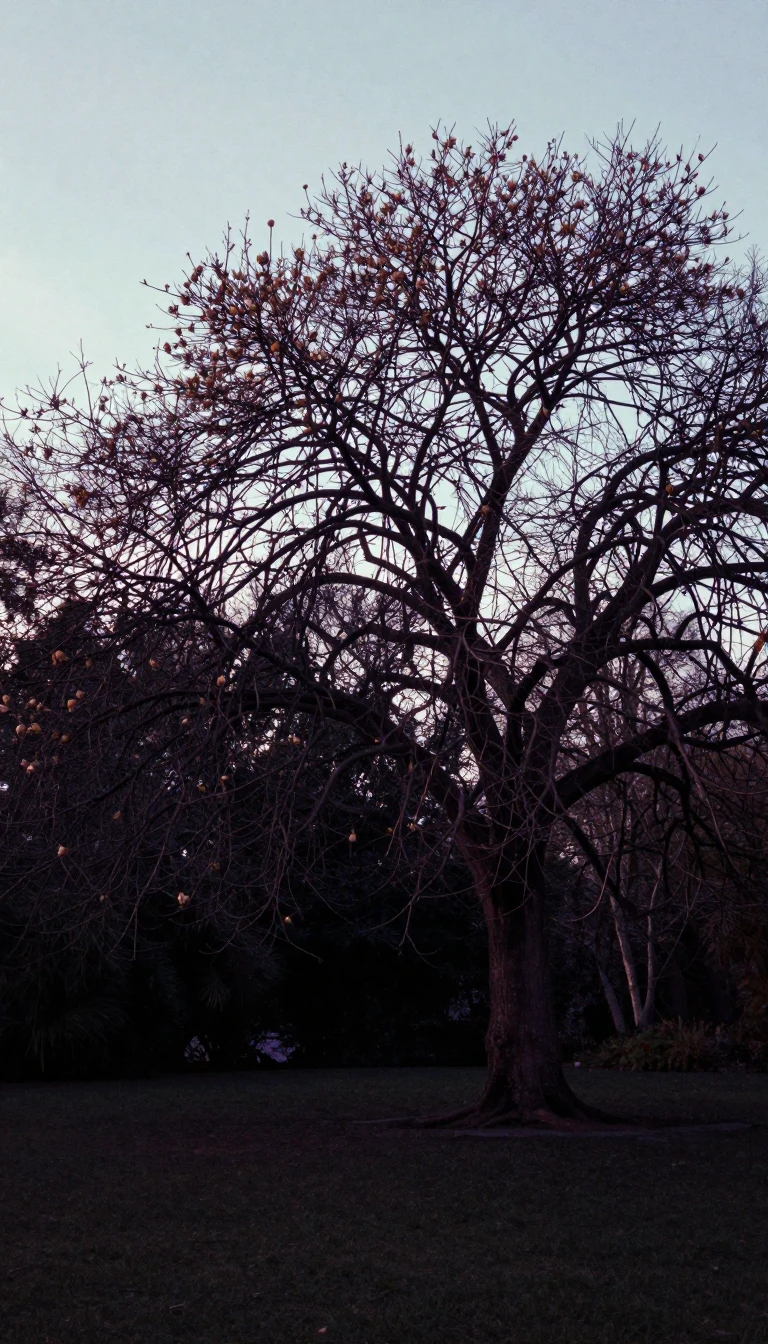
In short: Across the vast boreal forests of North America, the black spruce stands as a master of survival. From the thawing permafrost of the north to the acidic peatlands of the Great Lakes, this small, scruffy evergreen dominates landscapes where other trees struggle, turning fire-ravaged soil into its own private kingdom.
Picea mariana, or the black spruce, is a defining feature of the North American taiga. Spanning all ten Canadian provinces and three territories, its range stretches deep into Alaska and the Great Lakes region. While often small—averaging 5 to 15 meters in height—these trees are remarkably hardy. They are frequently found in wet, nutrient-poor organic soils, such as peat bogs and muskeg, where they out-compete other species like the tamarack. Their ability to tolerate acidic, poorly drained environments allows them to persist where more demanding trees cannot.
The life cycle of the black spruce is inextricably linked to fire. Most stands are even-aged, a direct result of frequent fire intervals occurring every 50 to 150 years. While some ecologists debate whether these forests ever truly reach a climax state—given that stable conditions might take several hundred years to develop—the black spruce acts as a persistent pioneer. Following a fire, it seeds promptly, eventually dominating successional hardwoods like paper birch and quaking aspen. In the absence of fire, however, the spruce is eventually succeeded by more shade-tolerant species such as balsam fir and northern white cedar.
Beyond its ecological role, the black spruce is a quiet workhorse of the forest industry. Though its small size limits its use as traditional timber, it is the primary source of pulpwood in Canada and is frequently used to manufacture fast-food chopsticks. Modern engineering has also found new utility for the tree; its tight growth rings provide high strength, making it an ideal candidate for cross-laminated timber. Whether as a 'drunken tree' tilting on thawing permafrost or a carefully selected dwarf cultivar in a garden, the black spruce remains a versatile and essential component of the northern landscape.
Opens the Intellect+ feed with this card first. Swipe up for the next one.
Sources
- Summary by Intellect · source: Picea mariana
- Also: GBIF — Black Spruce (Picea mariana) · http://creativecommons.org/licenses/by/4.0/legalcode
To cite this card, link to https://intellectplus.co.uk/app/gardening-picea-mariana.
How we source, check and correct cards: Editorial standards.
General information, not professional advice. Spotted an error? Flag the card or see corrections and complaints.
Intellect Plus is a visual educational discovery platform for exploring fascinating facts and ideas. Brain Food, Not Brain Rot. What is Intellect Plus?
Related
More in Plants · More in Gardening · Latest · A–Z · All topics
