The black cherry tree is a prized cabinet timber and a dangerous livestock toxin
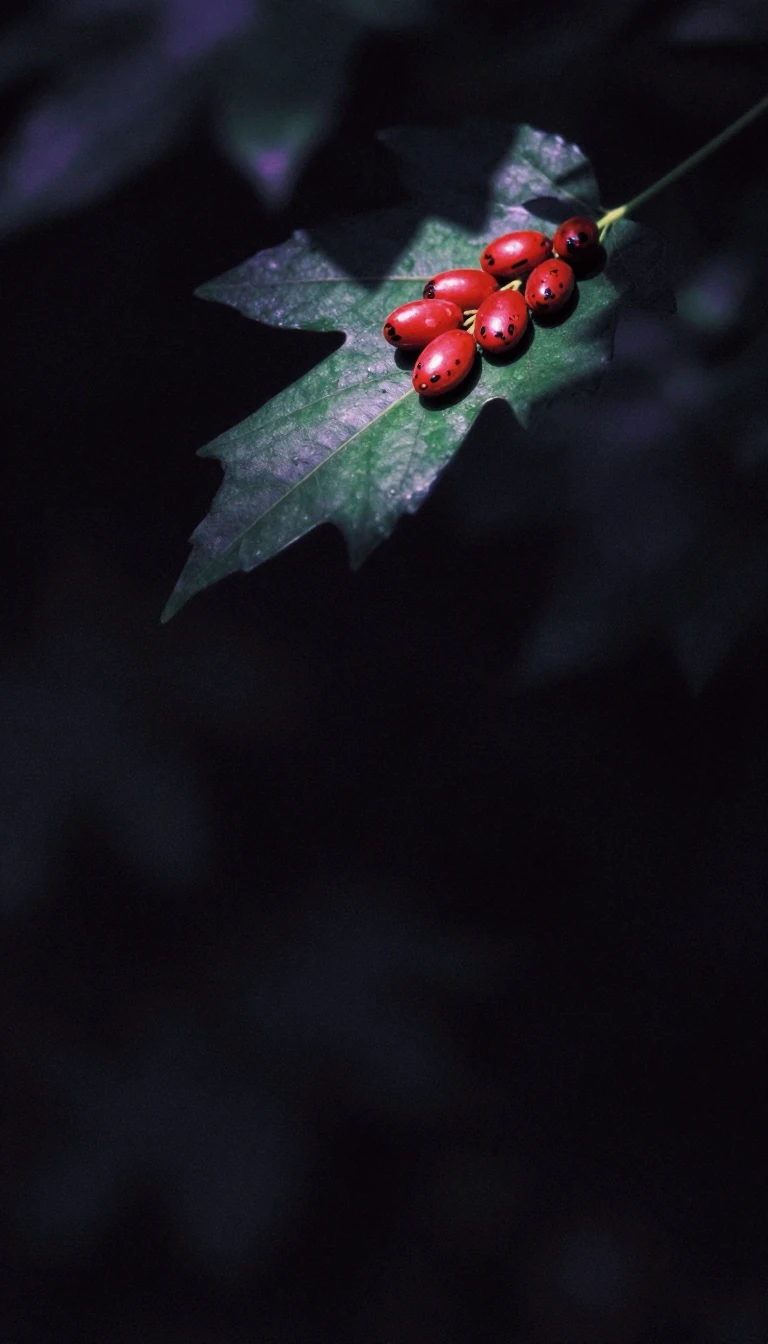
In short: The black cherry, Prunus serotina, is a botanical paradox. While its wood is the gold standard for high-end American cabinetry, its leaves harbor a lethal chemical defense. This fast-growing pioneer species is both a vital ecological host and a persistent agricultural hazard that demands careful management by farmers.
Prunus serotina is a resilient, fast-growing deciduous tree native to North and Central America. Reaching heights of up to 24 metres, it is a pioneer species that thrives in disturbed areas like roadsides and old fields. Its life cycle is remarkably hardy, with seeds capable of remaining dormant in the soil for three years before germinating. While it can live for over 250 years, the tree is susceptible to storm damage, though it resists rapid decay.
The tree’s most notable feature is its chemical defense system. Young twigs and leaves contain cyanogenic glycosides, which release hydrogen cyanide when ingested. This is particularly dangerous for livestock; wilted leaves are highly toxic, making the tree a leading cause of animal illness on farms. Interestingly, the fruit flesh is safe to eat because it lacks the specific enzymes required to convert these glycosides into cyanide, a process that only occurs when seeds are ground or leaves are damaged.
Beyond its toxicity, the black cherry is an ecological powerhouse, supporting the caterpillars of over 450 species of butterflies and moths. Its cultural history is equally rich; the subspecies capuli was a staple food in pre-Columbian Mexico, known as capolcuahuitl. Today, the tree is prized for its dense, orange-hued timber, which is widely considered the premier cabinetry wood in the United States. However, its introduction to Europe in the mid-20th century has proven problematic, as it has become an invasive species that disrupts local forest biodiversity.
The tree's relationship with insects is complex. While many species feed on it, some have evolved to bypass its defenses. The fall webworm, Hyphantria cunea, utilizes alkaline stomach acid to neutralize the cyanide in the leaves, allowing it to feed despite the tree's chemical deterrents. This ongoing evolutionary arms race highlights the intricate balance maintained by this common yet fascinating North American native.
Opens the Intellect+ feed with this card first. Swipe up for the next one.
Sources
- Summary by Intellect · source: Prunus serotina
To cite this card, link to https://intellectplus.co.uk/app/gardening-prunus-serotina.
How we source, check and correct cards: Editorial standards.
General information, not professional advice. Spotted an error? Flag the card or see corrections and complaints.
Intellect Plus is a visual educational discovery platform for exploring fascinating facts and ideas. Brain Food, Not Brain Rot. What is Intellect Plus?
Related
More in Plants · More in Gardening · Latest · A–Z · All topics
