The Bur Oak: A Fire-Resistant Giant That Defines the North American Savanna
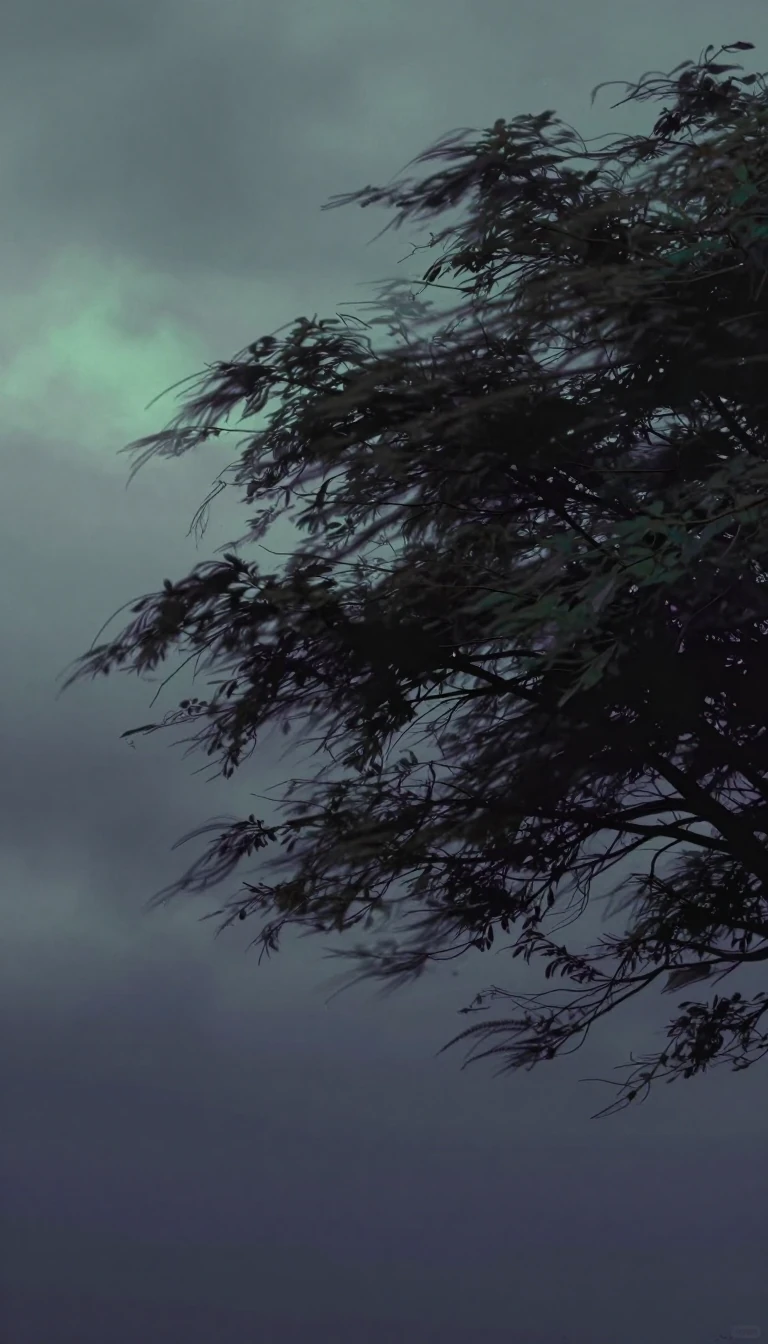
In short: With the largest acorns of any North American oak, the bur oak is a master of survival. Its thick, fire-resistant bark allows it to thrive in open savannas where other trees perish, while its massive taproot makes it remarkably drought-tolerant. It is a slow-growing, long-lived titan of the prairie.
Quercus macrocarpa, commonly known as the bur oak, is a massive deciduous tree native to central and eastern North America. Reaching heights of up to 30 metres—and occasionally 50 metres—it is one of the most substantial oaks, with trunks that can span 3 metres in diameter. Its name is derived from the Ancient Greek words for 'large' and 'fruit,' a nod to its acorns, which are the largest of any North American oak species. These acorns are essential for wildlife, though the tree employs a 'masting' strategy, producing heavy crops only every few years to overwhelm seed predators and ensure successful germination.
The bur oak is uniquely adapted to life in the oak savanna, a habitat historically shaped by frequent fires. Once a tree reaches about 12 years of age, its thick, gray, vertically ridged bark provides significant protection against fire damage. In the absence of fire, however, the bur oak often struggles; it is not shade-tolerant and can be outcompeted by other species. If forced to grow in dense woodlands, these trees may survive for 80 years before succumbing to wood-rot fungi or wind damage. Their preference for open spaces and limestone-rich soils makes them a defining feature of the eastern prairies and the Mississippi–Missouri–Ohio Valley.
Beyond its ecological role, the bur oak is a hardy, commercially valuable species. Its wood is durable and widely used for flooring, cabinets, and barrels. Historically, Native Americans utilized the tree's astringent bark to treat various ailments, including rashes, sores, and diarrhea. Today, the tree is cultivated in diverse environments, from the frosty climates of Banff to the urban landscapes of Texas. While it is generally robust, it remains susceptible to specific threats like the fungal pathogen Tubakia iowensis, which causes bur oak blight, and various gall-forming arthropods that colonize its leaves and twigs.
Opens the Intellect+ feed with this card first. Swipe up for the next one.
Sources
- Summary by Intellect · source: Quercus macrocarpa
To cite this card, link to https://intellectplus.co.uk/app/gardening-quercus-macrocarpa.
How we source, check and correct cards: Editorial standards.
General information, not professional advice. Spotted an error? Flag the card or see corrections and complaints.
Intellect Plus is a visual educational discovery platform for exploring fascinating facts and ideas. Brain Food, Not Brain Rot. What is Intellect Plus?
Related
More in Plants · More in Gardening · Latest · A–Z · All topics
