Why the world's most common farming method is also its most vulnerable
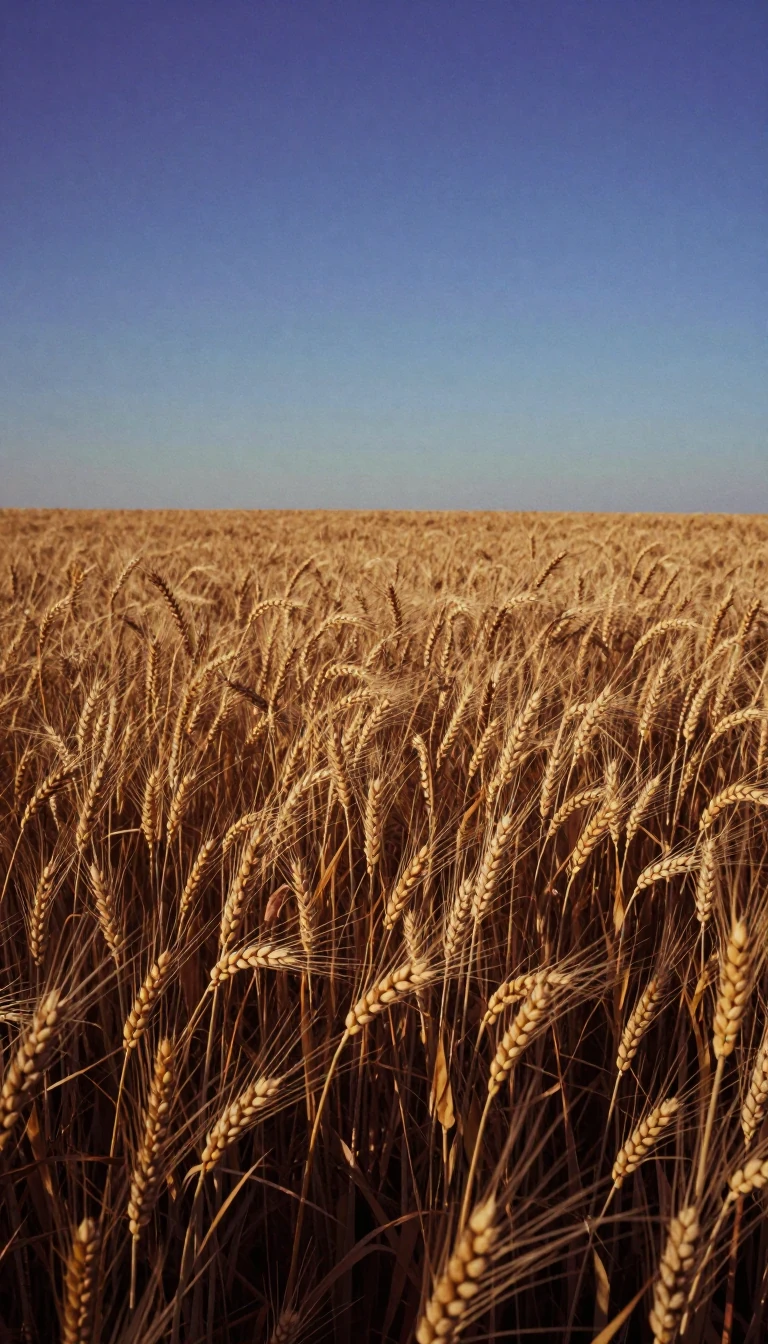
In short: Rainfed agriculture sustains the majority of the world's poor, yet it remains precariously dependent on the whims of the sky. As climate change increases weather volatility, the reliance on rainfall for food production has become a critical bottleneck for global food security, poverty reduction, and the health of millions.
Rainfed agriculture is the primary source of food for developing nations, relying exclusively on precipitation rather than external water sources like rivers or groundwater. This method dominates land use across the globe, accounting for over 95% of farmed land in sub-Saharan Africa and nearly 90% in Latin America. Despite its prevalence, it is inextricably linked to a cycle of poverty and malnutrition. The United Nations has identified 'hot spot' countries where hunger is most prevalent, and these regions overlap almost perfectly with semi-arid and dry sub-humid climates where rainfed farming is the only option.
The productivity of these regions is often stifled by degraded soil, high evaporation rates, and unpredictable weather events like droughts and floods. In developing countries, rainfed grain yields average only 1.5 hectares, roughly half the output of irrigated systems. Historically, growth in rainfed production has come from expanding the total land under cultivation rather than increasing the efficiency of existing plots. This expansion accounted for about 30% of global grain production growth since the late 1960s, but this model is reaching its limits as environmental pressures mount.
Experts from the International Water Management Institute suggest that the path forward lies in a shift toward better water resource management. Rather than viewing farming as strictly rainfed or irrigated, modern strategies encourage a spectrum of approaches. By improving soil moisture retention and implementing small-scale, supplemental irrigation, farmers can significantly boost yields. This transition requires a new era of policy and investment focused on managing rainfall and runoff at the local level. Addressing these biophysical challenges is essential, as the semi-arid tropics are currently home to 38% of the developing world's poor and over 70% of its malnourished children.
Opens the Intellect+ feed with this card first. Swipe up for the next one.
Sources
- Summary by Intellect · source: Rainfed agriculture
To cite this card, link to https://intellectplus.co.uk/app/gardening-rainfed-agriculture.
How we source, check and correct cards: Editorial standards.
General information, not professional advice. Spotted an error? Flag the card or see corrections and complaints.
Intellect Plus is a visual educational discovery platform for exploring fascinating facts and ideas. Brain Food, Not Brain Rot. What is Intellect Plus?
Related
More in Agriculture · More in Gardening · Latest · A–Z · All topics
