How ancient civilizations mastered extreme environments using simple, water-bound raised field agriculture
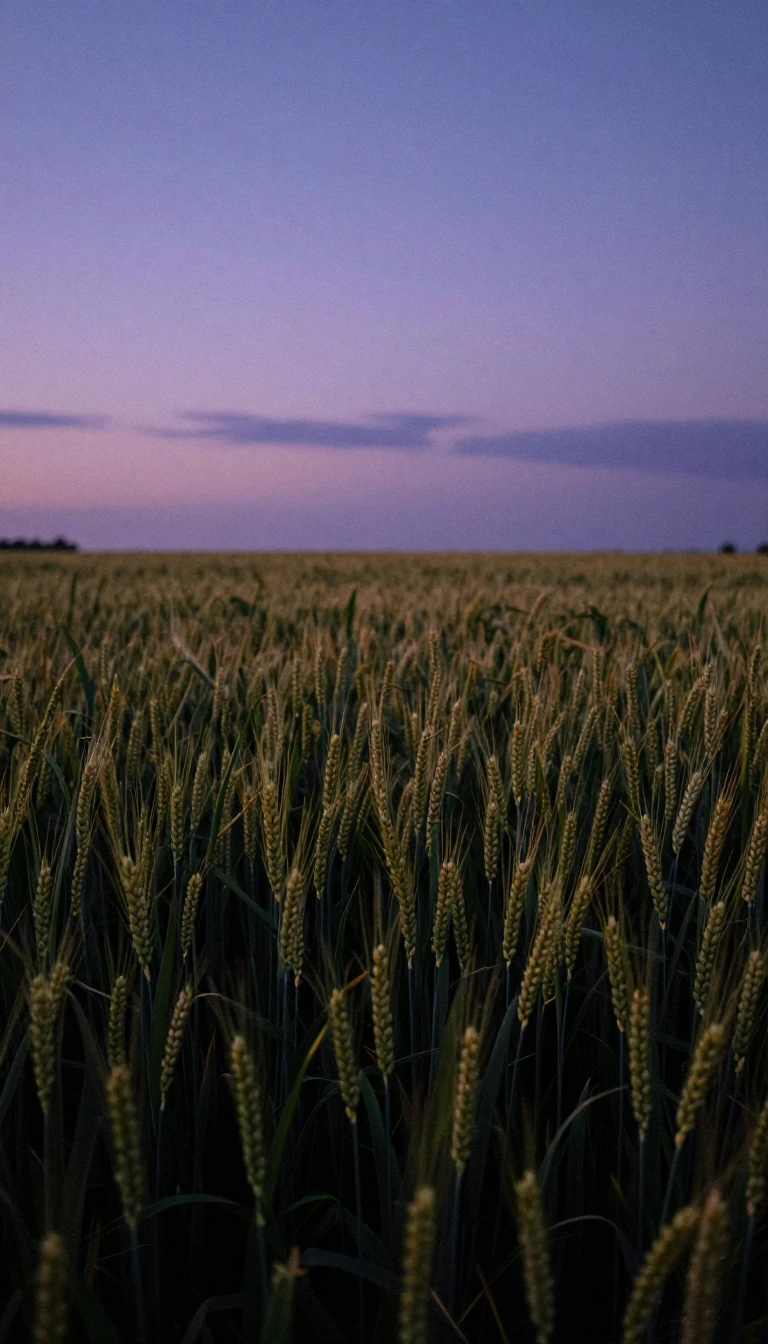
In short: Long before modern irrigation, ancient cultures from the Andes to Central America engineered sophisticated raised fields to thrive in unpredictable landscapes. By elevating soil above water-filled ditches, these farmers gained precise control over moisture, mitigated frost damage, and prevented flooding, effectively turning challenging wetlands into highly productive agricultural hubs.
The raised field technique is a testament to the ingenuity of Pre-Hispanic societies in Latin America. By creating elevated platforms surrounded by water, cultivators could manipulate their immediate environment to suit specific crop needs. These structures were not merely mounds of dirt; they were carefully managed systems that acted as a buffer against the elements. In the tropical lowlands and regions like the Budi Lake area, this method allowed communities to sustain agriculture in environments that would otherwise be too wet or prone to seasonal inundation.
The diversity of these systems is striking. In the high altitudes of Bolivia, the Tiwanaku culture near Lake Titicaca developed the Waru Waru, also known as camellones, to protect crops from the harsh climate. Meanwhile, in the lowland regions of Bolivia and near Santa Cruz de Mompox in Colombia, similar principles were applied to manage water levels. These techniques were widespread, appearing in the Maya civilization's sites like Pulltrouser Swamp in Belize, demonstrating a shared understanding of how to harness water for agricultural stability across varied geographies.
Perhaps the most iconic iteration of this practice is the chinampa system used by the Toltec and Aztec peoples along the shores of Lake Texcoco. These fields were essentially floating or semi-aquatic garden beds that provided a reliable food source for dense populations. By integrating water management directly into the field design, these civilizations minimized the risks of frost and flooding, ensuring consistent yields. This ancient wisdom highlights a sophisticated approach to environmental adaptation, where the landscape was not just farmed but actively shaped to provide a resilient foundation for human survival and growth.
Opens the Intellect+ feed with this card first. Swipe up for the next one.
Sources
- Summary by Intellect · source: Raised field
To cite this card, link to https://intellectplus.co.uk/app/gardening-raised-field.
How we source, check and correct cards: Editorial standards.
General information, not professional advice. Spotted an error? Flag the card or see corrections and complaints.
Intellect Plus is a visual educational discovery platform for exploring fascinating facts and ideas. Brain Food, Not Brain Rot. What is Intellect Plus?
Related
More in Agriculture · More in Gardening · Latest · A–Z · All topics
