The European beech is a forest giant with a surprisingly complex human history
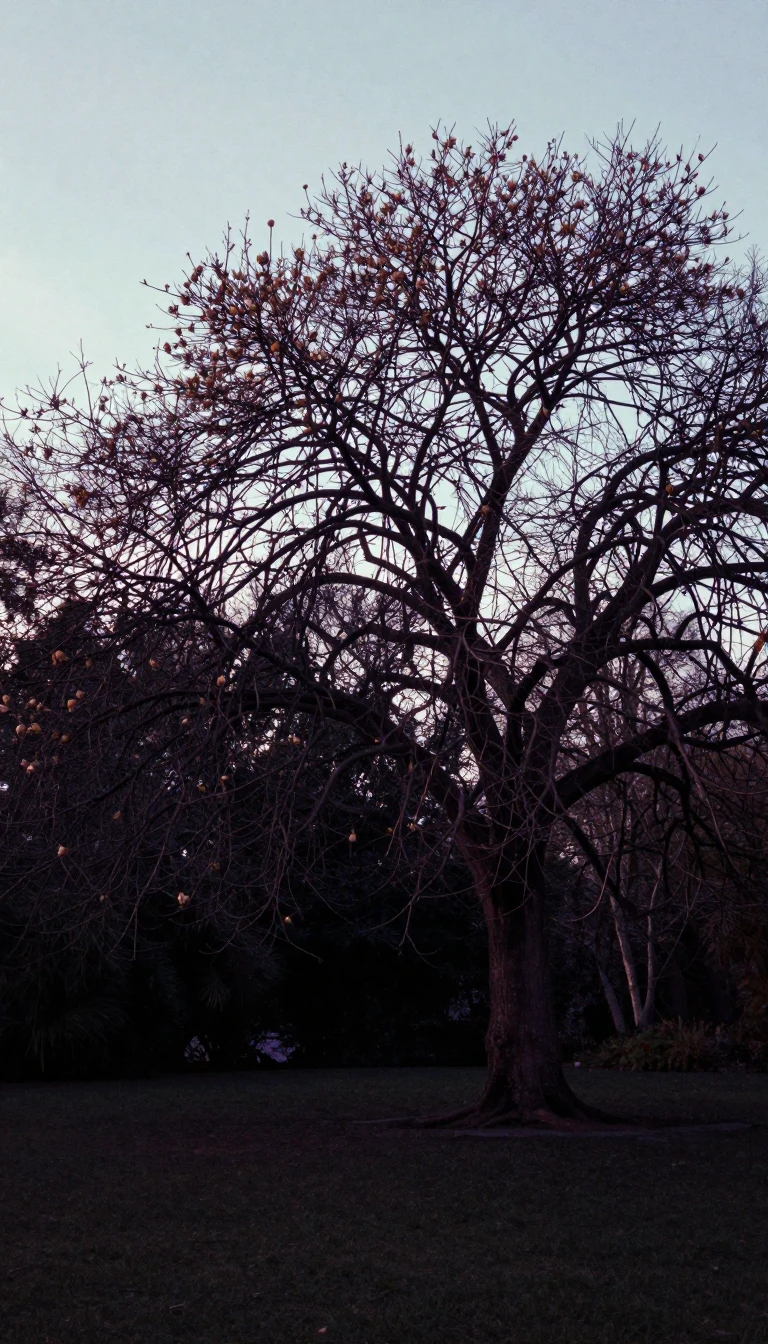
In short: The European beech is more than a common forest tree. It is a biological marvel that can live for half a millennium, hold its leaves through the winter, and serve as a cornerstone of European culture, from ancient Gallo-Roman religious worship to the modern production of sustainable textile fibers.
Fagus sylvatica, the European beech, is a dominant hardwood species across much of the continent, from Norway to the Mediterranean. These trees are remarkable for their longevity; while typically harvested in managed forests between 80 and 120 years, they can survive for 300 years in undisturbed conditions. Exceptional specimens, such as those found in the Uholka-Shyrokyi Luh forest in Ukraine, have been recorded at over 500 years of age. Their physical form is highly adaptable, growing tall and slender in dense forests but developing massive, broad crowns when given space in open environments.
The species is defined by its unique biological traits, including marcescence—the tendency to retain dead leaves through the winter—and a reliance on ectomycorrhizal fungi to thrive in various soil types. Its reproductive cycle is equally precise, with bud break often occurring within a narrow window each spring. However, this sensitivity makes the beech vulnerable to modern environmental stressors. Because it has a large leaf area and deterministic growth patterns, the tree is particularly susceptible to drought, which can trigger premature leaf drop or lead to the formation of 'false heartwood,' a condition that increases the risk of trunk failure.
Beyond the forest, the beech has been deeply intertwined with human activity for millennia. Evidence suggests Stone Age humans may have introduced the species to England as a food source, as the nuts are edible despite containing tannins and alkaloids. Today, the tree is a staple of ornamental horticulture, with nearly all copper beeches worldwide descending from a single mutation discovered in Germany in 1690. Its timber remains highly valued for furniture and flooring, and its high cellulose content is even processed into modal, a textile often compared to cotton, showcasing the tree's enduring utility.
Opens the Intellect+ feed with this card first. Swipe up for the next one.
Sources
- Summary by Intellect · source: Fagus sylvatica
To cite this card, link to https://intellectplus.co.uk/app/gardening-fagus-sylvatica.
How we source, check and correct cards: Editorial standards.
General information, not professional advice. Spotted an error? Flag the card or see corrections and complaints.
Intellect Plus is a visual educational discovery platform for exploring fascinating facts and ideas. Brain Food, Not Brain Rot. What is Intellect Plus?
Related
More in Plants · More in Gardening · Latest · A–Z · All topics
