The snow pea is a botanical misnomer that thrives in cool, nitrogen-rich soil
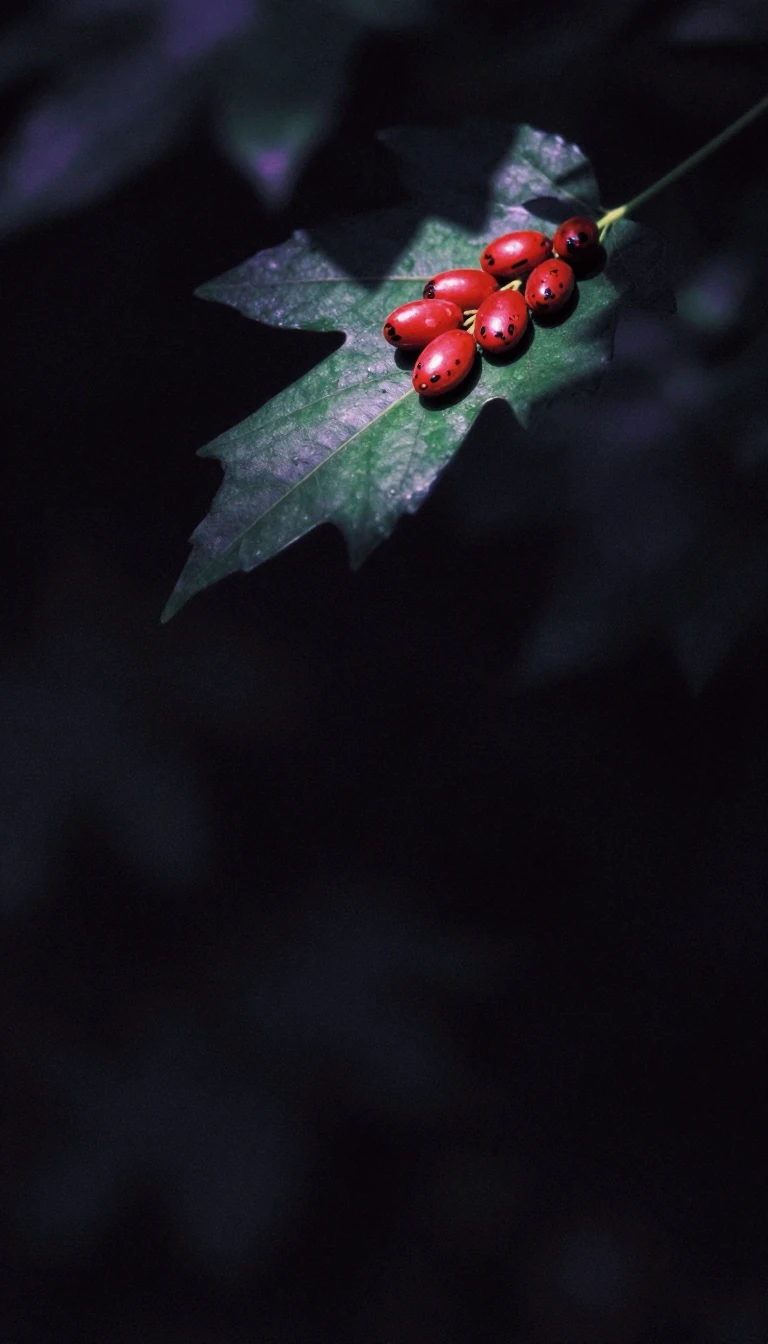
In short: Despite their chilly name, snow peas are not winter-hardy wonders. These flat-podded legumes are actually a genetic marvel, lacking the fibrous inner parchment that makes other peas inedible. Understanding their unique biology—and their role as a nitrogen-fixing companion—can transform how you approach your garden's seasonal planting strategy.
The snow pea, known in French as mangetout, is a member of the Macrocarpon Group, scientifically classified as Pisum sativum var. macrocarpum. While often confused with snap peas, which possess round, thick walls, snow peas are defined by their thin, compressed pods. This distinction is rooted in genetics: two recessive genes, designated p and v, work in tandem to reduce the pod's thickness and eliminate the inner sclerenchymatous membrane—a fibrous layer rich in lignin that renders the pods of field and garden peas inedible.
The name 'snow pea' is largely a misnomer, as the plant's cultivation requirements do not differ significantly from other pea varieties. They are cool-season crops that flourish during spring and winter, but they are not uniquely adapted to freezing conditions. Historically, the botanical classification of these plants has been fraught with confusion. Early researchers often misapplied the name Pisum sativum var. saccharatum, a term famously used by Gregor Mendel in his foundational heredity experiments. Modern botanists have since corrected this, settling on the Macrocarpon designation to accurately describe the plant's edible, non-leathery pod structure.
Beyond the kitchen, the snow pea is a functional asset in the garden. Like many legumes, it hosts rhizobia bacteria in its root nodules. This mutualistic relationship allows the plant to fix nitrogen, enriching the surrounding soil. This makes the snow pea an ideal companion for leafy greens that require high nitrogen levels to thrive. For those looking to maximize their harvest, the plant is a climbing annual that reaches heights of up to 1.5 meters, requiring full sun and well-drained soil. Whether you are harvesting the immature pods or the tender stems and leaves—known as pea shoots—the snow pea remains a versatile, biologically fascinating crop.
Opens the Intellect+ feed with this card first. Swipe up for the next one.
Sources
- Summary by Intellect · source: Snow pea
- Also: Pisum sativum var. macrocarpon | snow pea
To cite this card, link to https://intellectplus.co.uk/app/gardening-snow-pea.
How we source, check and correct cards: Editorial standards.
General information, not professional advice. Spotted an error? Flag the card or see corrections and complaints.
Intellect Plus is a visual educational discovery platform for exploring fascinating facts and ideas. Brain Food, Not Brain Rot. What is Intellect Plus?
Related
More in Plants · More in Gardening · Latest · A–Z · All topics
