The lilac's name comes from a Persian word for the color of indigo
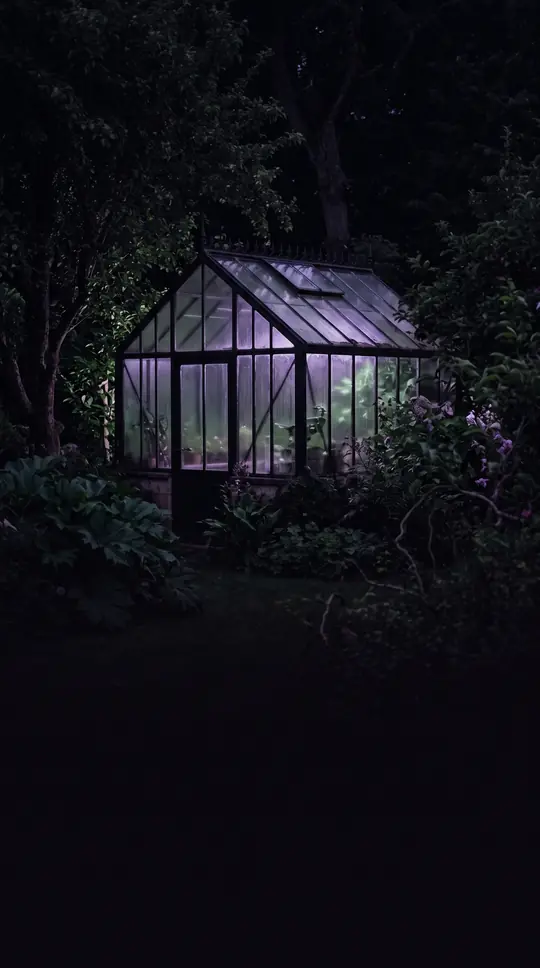
In short: Beyond their spring fragrance, lilacs are botanical survivors with a history spanning from ancient medicine to modern literature. While often associated with first love, these hardy shrubs possess a surprisingly tough wood and a complex lineage that stretches from the Balkans to the mountains of Asia.
The genus Syringa, formally described by Carl Linnaeus in 1753, comprises 12 recognized species within the olive family. Its name originates from the Ancient Greek word 'syrinx', meaning pipe or tube, a nod to the hollow branches of the common lilac, Syringa vulgaris. The common name 'lilac' itself traces a linguistic path from the Persian 'nīl', meaning indigo, through Arabic and French, reflecting the plant's traditional association with blue and purple hues.
These plants are remarkably resilient, ranging from small shrubs to trees up to 10 metres tall. They thrive in well-drained, chalky soils and are known for their distinct flowering habits; many species bloom on old wood, meaning aggressive pruning often results in lush vegetative growth at the expense of flowers. This toughness is culturally recognized, such as in New Hampshire, where the common lilac is the state flower, symbolizing the hardy character of the state's residents.
Beyond the garden, the genus has a long history in traditional Asian medicine, where extracts have been used to treat conditions ranging from coughs to bronchitis. Modern pharmacological research has identified compounds like syringin and oleuropein, which show potential anti-inflammatory and antioxidant properties. While the wood is too small for large-scale commercial use, its high Janka hardness of 2,350 lbf makes it a prized material for woodturning, further cementing the lilac's reputation as a plant that is as durable as it is beautiful.
Opens the Intellect+ feed with this card first. Swipe up for the next one.
Sources
- Summary by Intellect · source: Syringa
To cite this card, link to https://intellectplus.co.uk/app/gardening-syringa.
How we source, check and correct cards: Editorial standards.
General information, not professional advice. Spotted an error? Flag the card or see corrections and complaints.
Intellect Plus is a visual educational discovery platform for exploring fascinating facts and ideas. Brain Food, Not Brain Rot. What is Intellect Plus?
Related
More in Plants · More in Gardening · Latest · A–Z · All topics
