How a medieval shift in crop rotation fueled a massive agricultural revolution
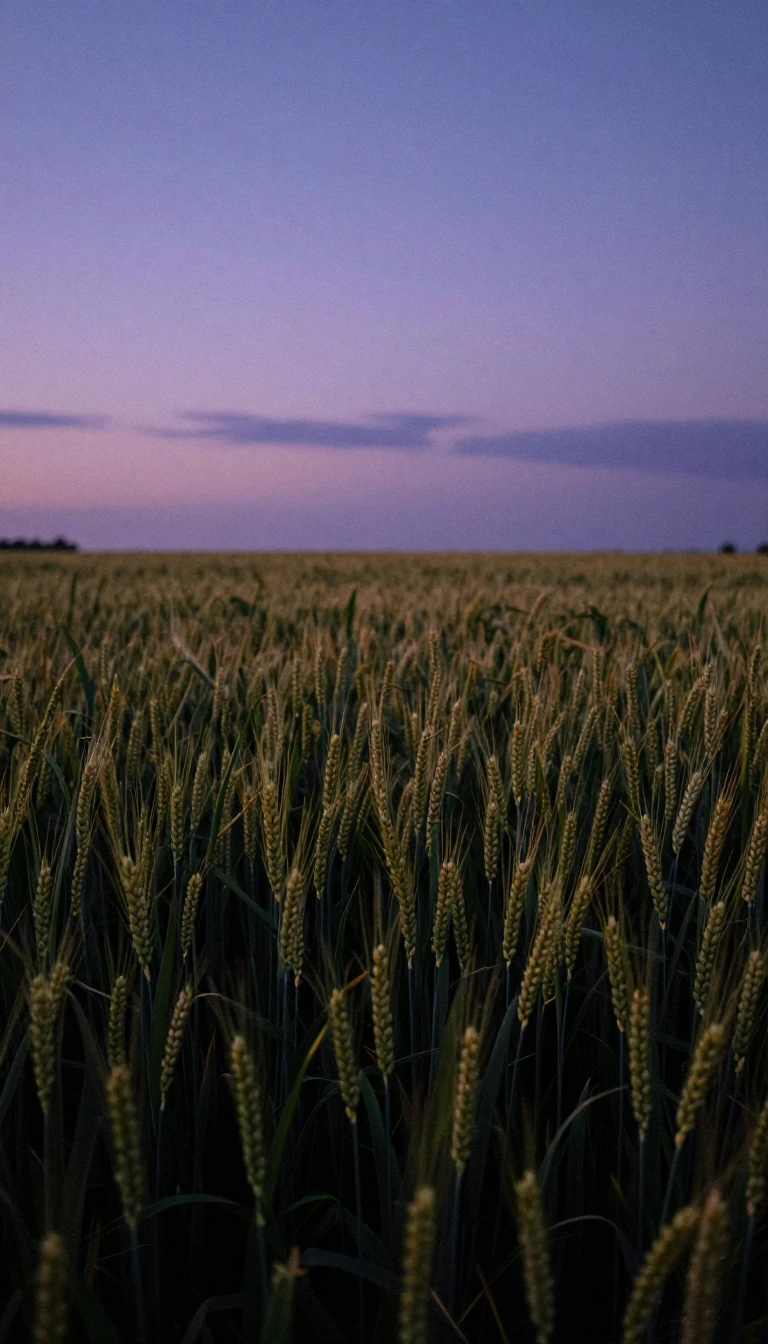
In short: Before the three-field system, farmers left half their land fallow every year. By dividing fields into thirds and introducing legumes, medieval agriculture suddenly produced more food, supported horses over oxen, and generated a surplus that transformed the economy. This simple rotation change fundamentally altered the trajectory of human prosperity.
The three-field system emerged as a significant advancement over the previous two-field method, which required half of all arable land to remain unplanted. By dividing land into three segments, farmers could plant winter wheat or rye in one, legumes like peas, lentils, or beans in another, and leave only the third field fallow. This rotation ensured that each segment was productive for two out of every three years, marking a substantial increase in land utilization.
The mechanism relied on biological synergy. While cereal crops depleted soil nitrogen, legumes actively fixed nitrogen, naturally fertilizing the earth. Fallow fields were not wasted; they became grazing grounds where livestock deposited manure, further replenishing nutrients. This cycle was bolstered by the adoption of the moldboard plow, which required more intensive plowing but significantly increased overall output. The system also enabled the planting of oats, providing the high-energy fuel necessary to transition from slow-moving oxen to more efficient horses, especially when paired with new horse collars and shoes.
This transition occurred across Europe between the 9th and 11th centuries, though its success was climate-dependent. Because legumes required summer rain, the system was less effective in Mediterranean regions. Despite these geographical constraints, the resulting surplus drove economic prosperity during an era dominated by agriculture. By the 18th century, thinkers like Johann Friedrich Mayer began advocating for methods to move beyond this medieval framework, yet the three-field system remains a landmark in the history of agricultural productivity and human nutrition.
Interestingly, the technique did not originate solely in Europe. Historical records indicate it was first utilized in China during the Eastern Zhou period, arising independently in the European context centuries later. This dual origin highlights a universal human drive to optimize land use, proving that the quest for agricultural efficiency has been a persistent theme in civilization's development.
Opens the Intellect+ feed with this card first. Swipe up for the next one.
Sources
- Summary by Intellect · source: Three-field system
To cite this card, link to https://intellectplus.co.uk/app/gardening-three-field-system.
How we source, check and correct cards: Editorial standards.
General information, not professional advice. Spotted an error? Flag the card or see corrections and complaints.
Intellect Plus is a visual educational discovery platform for exploring fascinating facts and ideas. Brain Food, Not Brain Rot. What is Intellect Plus?
Related
More in Agriculture · More in Gardening · Latest · A–Z · All topics
