Medieval farming was not just subsistence; it was a period of profound technical evolution.
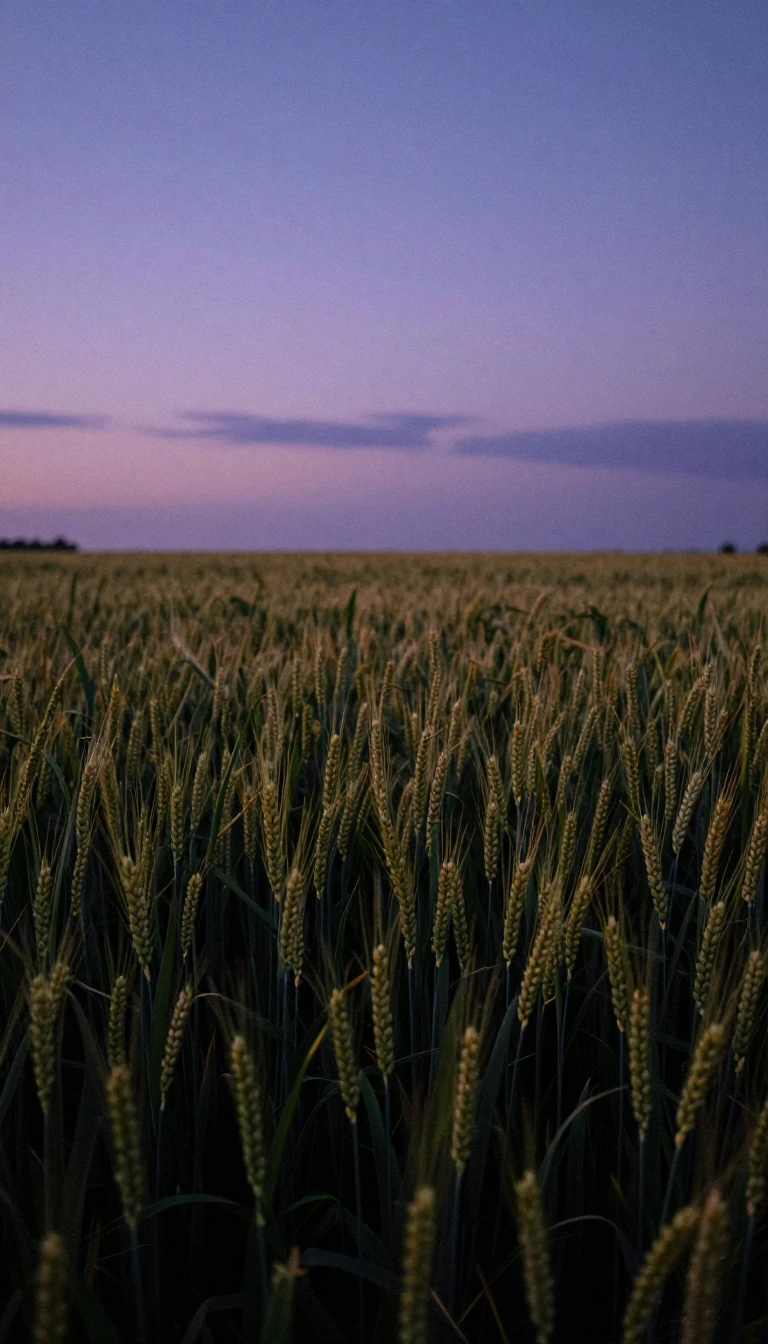
In short: While often viewed as a stagnant era, medieval agriculture underwent a radical transformation. From the adoption of the heavy wheeled plow and the life-changing horse collar to the systematic reclamation of marshes and forests, farmers across Europe engineered a massive expansion of cultivated land to feed a growing population.
The medieval period, spanning roughly 1,000 years, was defined by two distinct phases: a long era of development ending in the 13th century, followed by a recession and eventual recovery. During the growth phase, agricultural innovation flourished north of the Alps. Farmers moved beyond basic Roman-era practices, adopting complex tools like the wheeled asymmetrical plow, which featured a moldboard and coulter to invert soil and create superior seedbeds. This period also saw the introduction of the rigid, padded horse collar, an invention likely originating in China that allowed horses to exert their full strength for plowing and heavy haulage.
Land management also saw significant shifts. The open-field system, appearing around 800, organized arable land into long, narrow strips often measuring about one acre. This layout likely emerged from the practical needs of jointly owned plow teams or the division of land among heirs. Beyond simple cultivation, medieval farmers engaged in massive environmental engineering. In the Netherlands, they reclaimed land from marshes and the sea, creating polders by the 12th century. Simultaneously, settlers expanded eastward toward the Baltic and south to the Carpathians, clearing forests and draining fens to meet the demands of a rising population.
These advancements were supported by improvements in hand tools, such as more effective axes for clearing forests and the jointed flail for processing grain. While the Moors introduced new crops like sugarcane, rice, and cotton to Spain, and Venice became a hub for cotton manufacturing, the core of medieval farming remained focused on feeding the local population. Although monastic estates and great lords commissioned new agricultural literature, the illiterate majority continued to rely on traditional, time-tested methods. This era of expansion was eventually checked in the 14th century by a series of calamities, marking the end of a remarkable period of agricultural ingenuity.
Opens the Intellect+ feed with this card first. Swipe up for the next one.
Sources
- Summary by Intellect · source: Origins of agriculture - Medieval, Crops, Livestock | Britannica
- Also: Agriculture in the Middle Ages
To cite this card, link to https://intellectplus.co.uk/app/history-agriculture-in-the-middle-ages.
How we source, check and correct cards: Editorial standards.
General information, not professional advice. Spotted an error? Flag the card or see corrections and complaints.
Intellect Plus is a visual educational discovery platform for exploring fascinating facts and ideas. Brain Food, Not Brain Rot. What is Intellect Plus?
Related
More in History by topic · More in History · Latest · A–Z · All topics
