The ancient art of rotating crops to prevent soil exhaustion
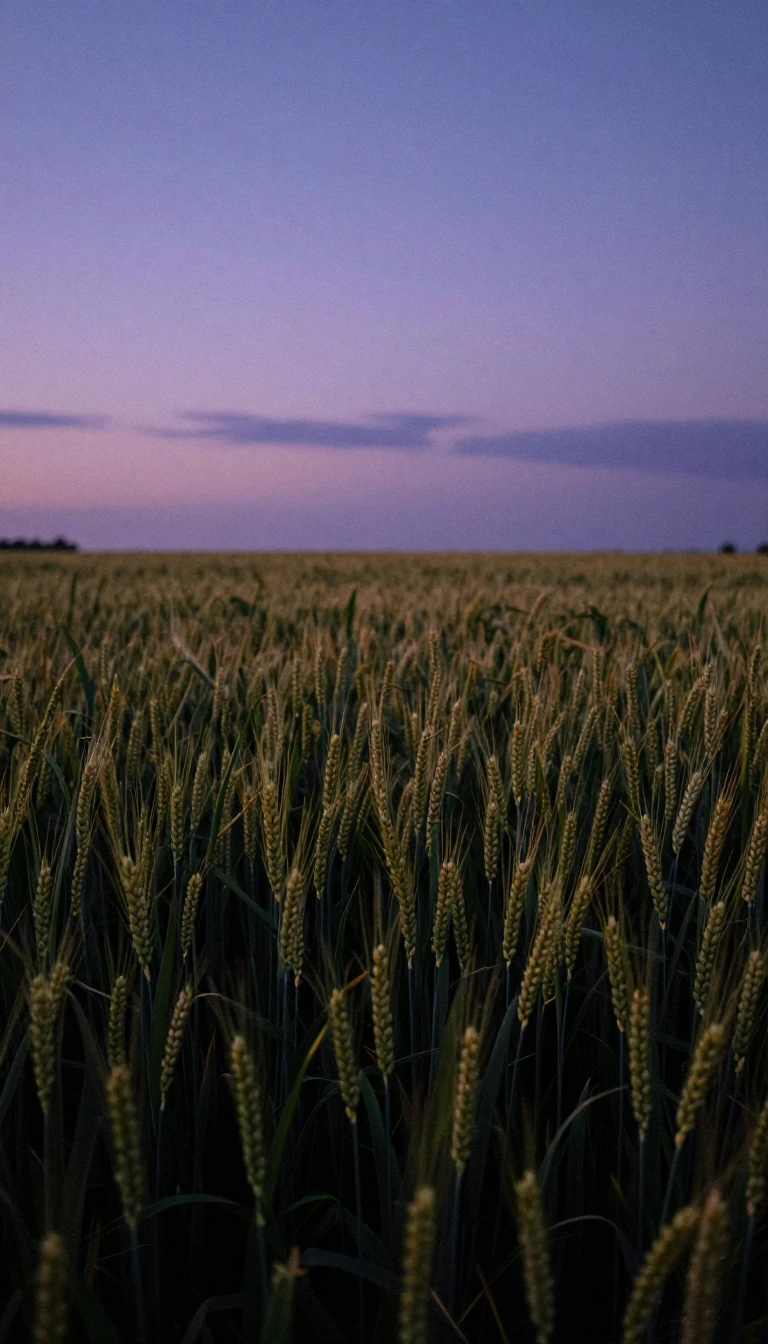
In short: Long before synthetic fertilizers, farmers used a clever biological rhythm to sustain life. By alternating what they planted, they could fix nitrogen, suppress weeds, and break pest cycles. Discover how a simple sequence of crops transformed European nutrition and shaped the foundations of modern agriculture.
The practice of crop rotation is far from a modern invention; as early as 6000 BC, farmers in the Ancient Near East were already alternating cereals with legumes to maintain productivity. This method prevents the nutrient depletion and specialized pest proliferation common in monocropping, where the same crop is grown repeatedly. By diversifying plant families, farmers can utilize ecosystem services, such as the nitrogen-fixing abilities of legumes like clover and alfalfa, which convert atmospheric nitrogen into a form usable by subsequent nitrogen-demanding crops.
A significant historical shift occurred between the 9th and 11th centuries in Europe, as farmers transitioned from a two-field system—where half the land lay fallow—to a three-field system. This innovation increased the amount of cultivated land from one-half to two-thirds. The new rotation included autumn crops like wheat and rye, spring crops such as barley, oats, and legumes, and a fallow period. This shift was nutritionally transformative; the increased cultivation of legumes provided essential proteins for the European population.
In the 18th century, the British agriculturist Charles Townshend (1674–1738) further advanced these techniques by popularizing a four-field rotation involving wheat, turnips, barley, and clover. This sequence allowed for year-round livestock grazing and became a cornerstone of the British Agricultural Revolution. While the mid-20th century Green Revolution introduced heavy reliance on chemical inputs like ammonium nitrate and urea, the fundamental principles of rotation remain vital. Today, rotation is a requirement for organic certification in the United States, as it builds soil organic matter, manages weeds, and protects against erosion.
Opens the Intellect+ feed with this card first. Swipe up for the next one.
Sources
- Summary by Intellect · source: Crop rotation
To cite this card, link to https://intellectplus.co.uk/app/culture-crop-rotation.
How we source, check and correct cards: Editorial standards.
General information, not professional advice. Spotted an error? Flag the card or see corrections and complaints.
Intellect Plus is a visual educational discovery platform for exploring fascinating facts and ideas. Brain Food, Not Brain Rot. What is Intellect Plus?
Related
More in UK & Irish culture · More in Cultures · Latest · A–Z · All topics
