Could your city feed itself? The untapped potential of urban horticulture is massive.
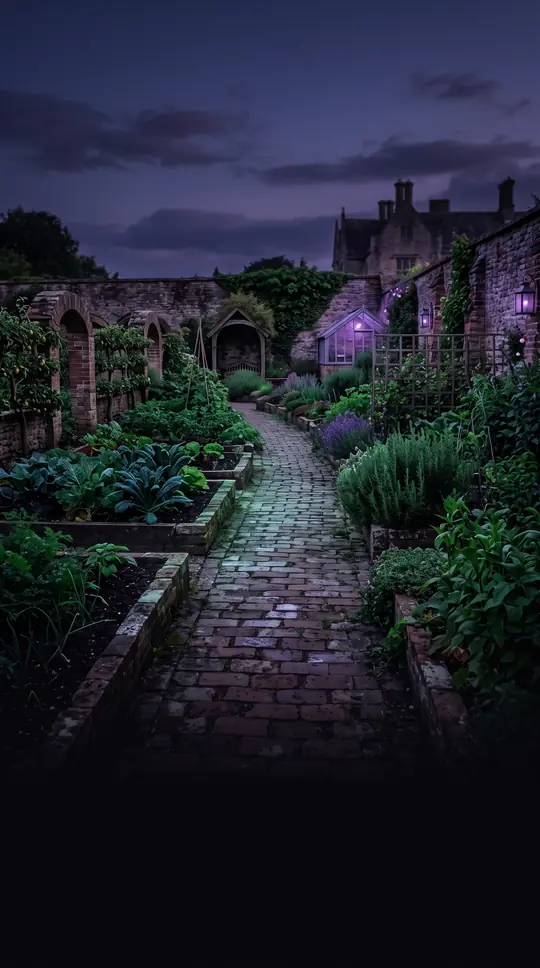
In short: As the global population shifts toward urban centers, cities are re-evaluating their relationship with food. While modern urban horticulture is often seen as a niche hobby, research suggests that many cities possess sufficient space to meet a significant portion of their residents' demand for fruits and vegetables.
Urban horticulture is the science of cultivating plants within city environments to serve functional, aesthetic, and nutritional purposes. Historically, cities were designed with market gardens and farms at their core, but the Industrial Revolution transformed these green spaces into brick and asphalt. By the mid-twentieth century, as populations moved to suburbs, urban centers faced disinvestment, leaving behind vacant lots and industrial wastelands. This decline prompted a shift in the 1960s and 1970s, where community gardening emerged as a grassroots response to urban decay, social isolation, and food insecurity.
Today, the movement has evolved from simple beautification into a complex strategy for urban resilience. Modern initiatives focus on reclaiming vacant land to restore nature, improve local food security, and foster social engagement. Unlike the grand park developments of the past, which were primarily designed to provide relief from industrial conditions, contemporary community gardens serve as hubs for social and physical interaction. These spaces are often supported by a mix of municipal governments, non-profit organizations, and local neighborhoods, creating a direct connection between city dwellers and the soil.
The potential for growth remains significant. Projections suggest that 68% of the global population will reside in urban areas by 2050, increasing the pressure to integrate food production into city planning. Research in cities like Sheffield, United Kingdom, highlights that mapping urban green infrastructure is a critical step in realizing this potential. While the American Community Gardening Association estimates that gardening programs operate in at least 250 cities and towns, experts suggest the actual number could be double that. As cities continue to face challenges like food insecurity and environmental degradation, urban horticulture is increasingly viewed not just as a pastime, but as a vital component of sustainable, future-proof urban food systems.
Opens the Intellect+ feed with this card first. Swipe up for the next one.
Sources
- Summary by Intellect · source: The hidden potential of urban horticulture - Nature Food
- Also: Urban horticulture
To cite this card, link to https://intellectplus.co.uk/app/gardening-urban-horticulture.
How we source, check and correct cards: Editorial standards.
General information, not professional advice. Spotted an error? Flag the card or see corrections and complaints.
Intellect Plus is a visual educational discovery platform for exploring fascinating facts and ideas. Brain Food, Not Brain Rot. What is Intellect Plus?
Related
More in Agriculture · More in Gardening · Latest · A–Z · All topics
