Why the best garden fertilizer is actually the product of worm digestion
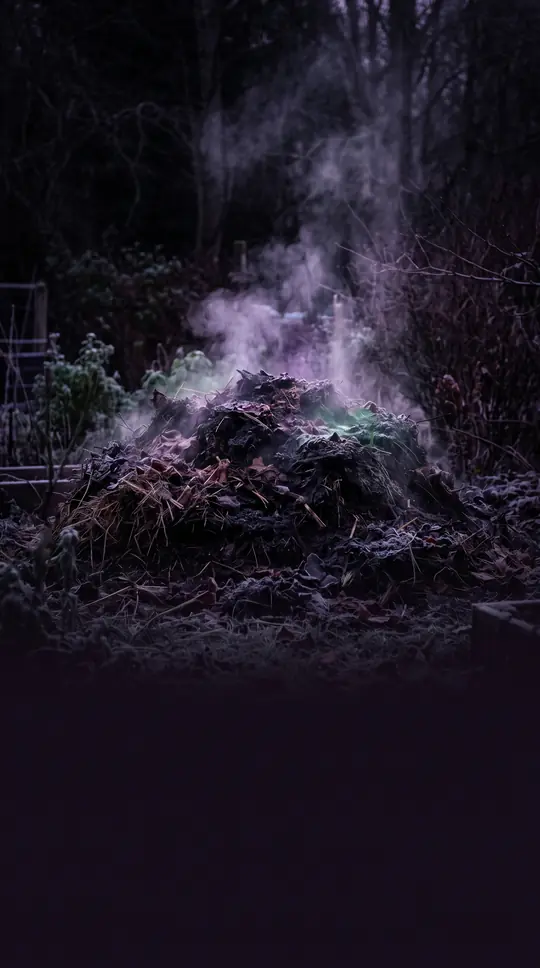
In short: Vermicomposting turns kitchen scraps into nutrient-dense soil conditioner using specific species of surface-dwelling worms. Unlike traditional composting, this process requires no manual turning and produces a living soil environment. By leveraging the digestive power of worms, you can create a high-quality, plant-ready fertilizer in your own home.
Vermicomposting relies on epigean, or surface-dwelling, earthworms to break down organic waste. The most popular choice is the red wiggler (Eisenia fetida), valued for its rapid breeding and voracious appetite. These worms thrive in the drilosphere, a zone within the soil where their digestive tracts foster beneficial microbes. Unlike deep-burrowing species such as Lumbricus terrestris, which struggle in confined bins, red wigglers adapt perfectly to small-scale systems, efficiently turning vegetable scraps, paper, and garden waste into vermicast—a nutrient-rich, low-salinity fertilizer.
The process is remarkably efficient, often outperforming conventional composting in speed and final product quality. When worms consume organic matter, they grind and mix minerals into forms that plants absorb with minimal effort. Beyond the solid castings, the liquid byproduct, known as vermiwash, contains a potent cocktail of enzymes like proteases and phosphatases, alongside nitrogen-fixing bacteria such as Azotobacter. This makes vermicompost an essential tool in sustainable farming and permaculture, where it is used to revitalize soil health.
Large-scale operations have scaled this biology to industrial levels, with New Zealand’s MyNoke processing over 1.4 million tonnes of organic waste since 2007. These systems often use flow-through beds, where worms are fed from the top and finished castings are harvested from the bottom, eliminating the need to separate worms from the final product. Whether managed in a small plastic bin or a massive windrow, the core mechanism remains the same: providing a balanced, temperature-controlled environment where detritivorous worms can transform waste into a living, fertile amendment for the earth.
Opens the Intellect+ feed with this card first. Swipe up for the next one.
Sources
- Summary by Intellect · source: Vermicompost
To cite this card, link to https://intellectplus.co.uk/app/gardening-vermicompost.
How we source, check and correct cards: Editorial standards.
General information, not professional advice. Spotted an error? Flag the card or see corrections and complaints.
Intellect Plus is a visual educational discovery platform for exploring fascinating facts and ideas. Brain Food, Not Brain Rot. What is Intellect Plus?
Related
More in Agriculture · More in Gardening · Latest · A–Z · All topics
