The bridge between your conscious ego and the hidden depths of the psyche
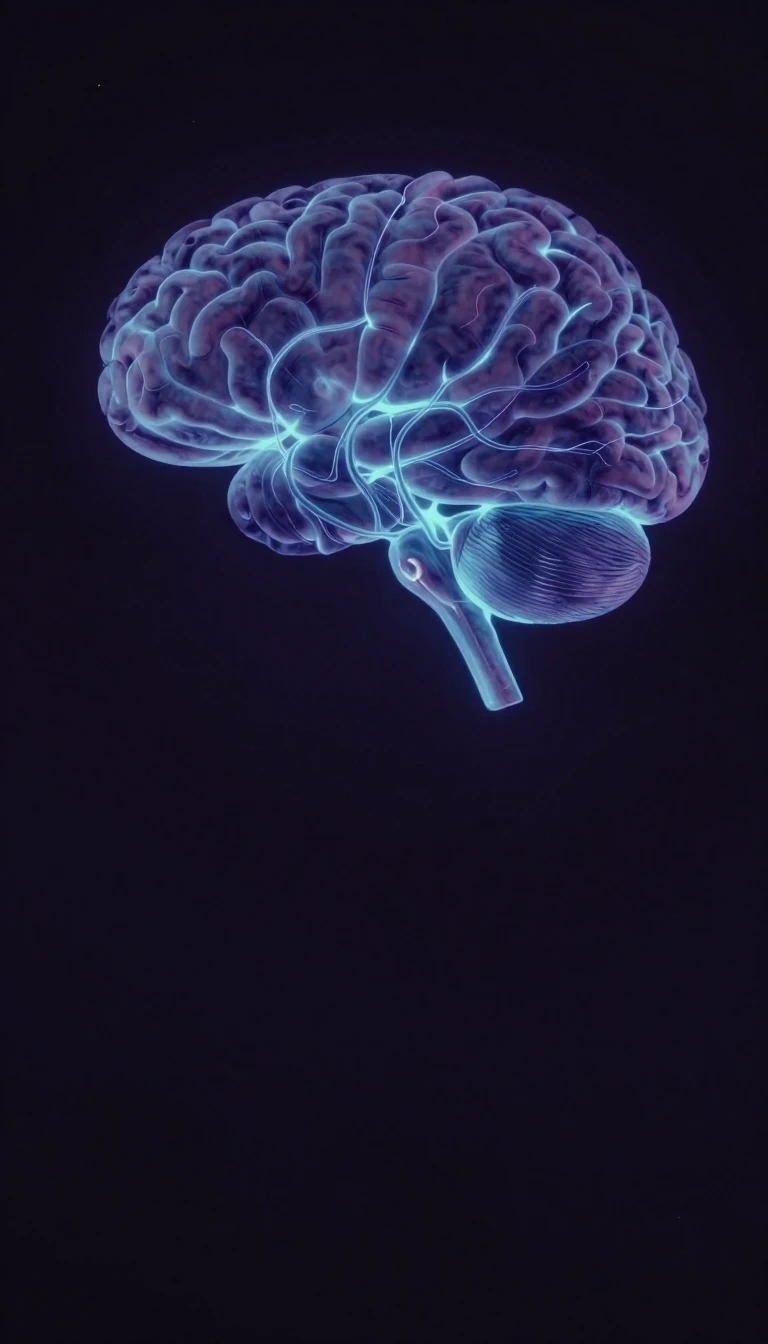
In short: What if your mind contains a hidden world of narratives and images waiting to be explored? Active imagination is a psychological technique designed to bridge the gap between your waking awareness and the unconscious. It isn't just daydreaming; it is a deliberate method for engaging with the deep, often unvoiced influences of your inner self.
Carl Jung created active imagination from 1913 to 1916, a meditative method transforming unconscious material into personified figures, stories, or pictures. Unlike 'fancy'—which Coleridge defined as the creativity of the artistic soul—active imagination is intended to be a cognitive participation in a deeper reality. The core mechanism involves letting the unconscious 'act itself out' while the conscious mind acts as a restrained observer. Practitioners are encouraged to watch internal scenes unfold without exerting influence, reporting changes genuinely as they occur, much like recording a spoken visualization.
The practice is not without its risks. Jung warned that the method could carry a patient too far away from reality, and some critics suggest it can promote psychopathology if it becomes a vehicle for distorted childhood influences. To counter this, scholars like James Hillman and Sonu Shamdasani argue that the technique should not be used to explore strictly personal biography. Instead, they suggest it serves as an exposition of the 'collective unconscious'—the weight of human history and universal mythic images—rather than just personal memories.
Beyond clinical psychology, active imagination has deep roots in theosophy, Islamic philosophy, and even the history of scientific discovery. In Islamic philosophy, the 'imaginal realm' (Alam al-Mithal) was seen as a nonspatial fabric mediating between reason and the divine. In science, this same faculty of imaginative cognition is credited with breakthroughs like Kekulé's discovery of the benzene ring and Einstein's visualization of a photon on a horizon of velocities. It suggests that the ability to mentally construct and interact with complex, non-physical structures is a fundamental human faculty for both spiritual growth and intellectual progress.
Opens the Intellect+ feed with this card first. Swipe up for the next one.
Sources
- Summary by Intellect · source: Active imagination
To cite this card, link to https://intellectplus.co.uk/app/health-active-imagination.
How we source, check and correct cards: Editorial standards.
General information, not professional advice. Spotted an error? Flag the card or see corrections and complaints.
Intellect Plus is a visual educational discovery platform for exploring fascinating facts and ideas. Brain Food, Not Brain Rot. What is Intellect Plus?
Related
More in Dreams · More in Health · Latest · A–Z · All topics
