How Ancient Egyptian Medical Practices Shaped the Foundation of Modern Healthcare Traditions
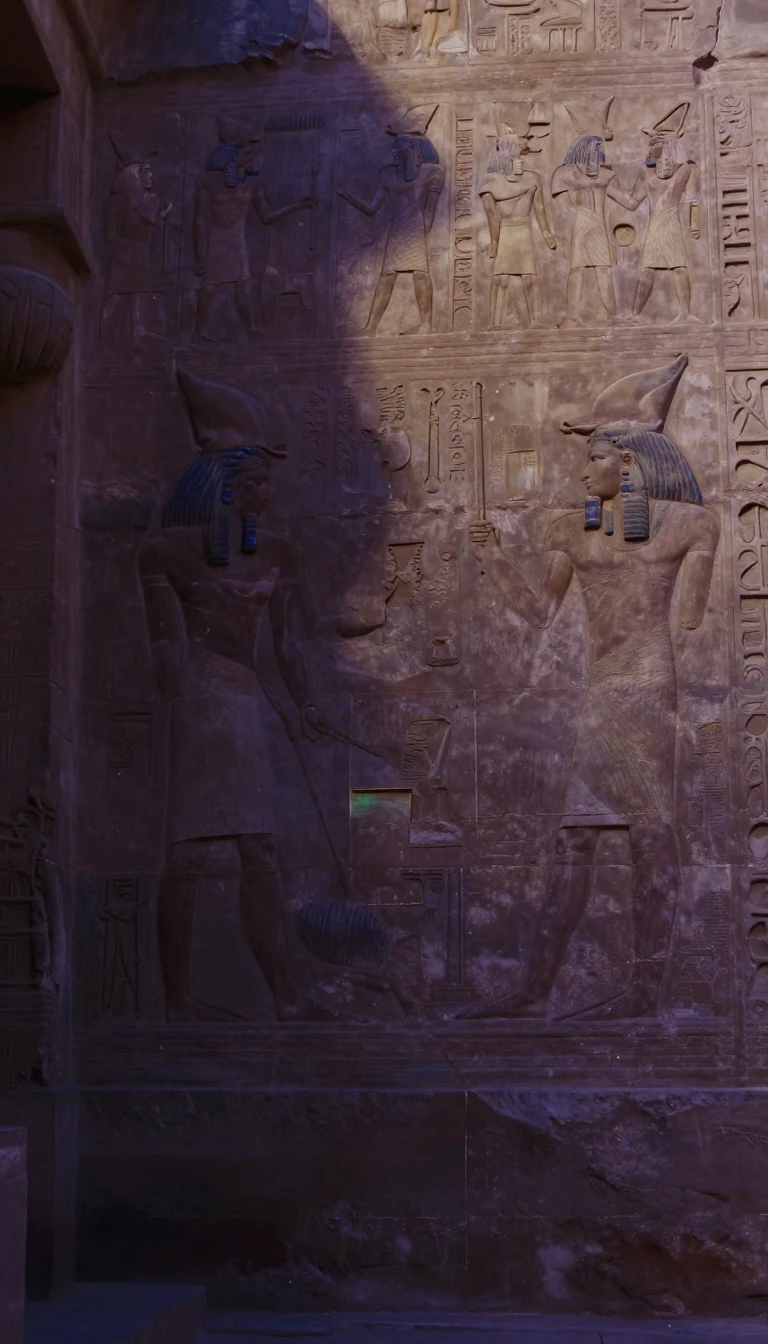
In short: Egyptian medical knowledge ranks among the oldest documented systems in human history. Spanning from the late fourth millennium BC until the Persian conquest in 525 BC, their approach combined surgical expertise, bone setting, and a vast pharmacopoeia. This ancient framework left an enduring legacy that profoundly influenced subsequent Greek medical traditions.
The medical landscape of ancient Egypt was remarkably stable, maintaining consistent practices for thousands of years. From the civilization's inception in the late fourth millennium BC, practitioners developed a sophisticated understanding of the human body that relied on both physical intervention and extensive medicinal knowledge. Their toolkit included non-invasive surgical techniques, specialized dentistry, and the skillful setting of broken bones, demonstrating a practical approach to trauma and physical ailments.
Beyond these mechanical interventions, the Egyptians utilized a comprehensive pharmacopoeia. This collection of remedies and substances formed a cornerstone of their therapeutic strategy, suggesting a methodical approach to managing illness. While much of their work focused on immediate physical repair, recent academic interest has also turned toward identifying evidence of complex conditions, such as oncologic cases, within ancient remains. Researchers like Dr. Elsayad have examined these historical specimens to better understand how ancient physicians perceived and managed severe disease.
The significance of this medical tradition extends far beyond the borders of the Nile Valley. Egyptian medical thought served as a vital precursor to later developments, most notably influencing the medical systems of the Greeks. By establishing early standards for documentation and clinical practice, the Egyptians created a template for healing that persisted until the Persian invasion of 525 BC. Today, studying these remains offers a unique window into the evolution of oncology and the long-standing human endeavor to treat the most challenging health conditions.
While the field remains a subject of ongoing study, the consistency of Egyptian practice highlights a civilization that prioritized medical continuity. By bridging the gap between ancient observation and modern analysis, we gain a clearer perspective on how early societies navigated the complexities of health and disease, ultimately shaping the trajectory of medical history for centuries to come.
Opens the Intellect+ feed with this card first. Swipe up for the next one.
Sources
- Summary by Intellect · source: Ancient Egyptian medicine
- Also: What Ancient Egyptian Medicine Can Teach Us.
To cite this card, link to https://intellectplus.co.uk/app/health-ancient-egyptian-medicine.
How we source, check and correct cards: Editorial standards.
General information, not professional advice. Spotted an error? Flag the card or see corrections and complaints.
Intellect Plus is a visual educational discovery platform for exploring fascinating facts and ideas. Brain Food, Not Brain Rot. What is Intellect Plus?
Related
More in Medical basics · More in Health · Latest · A–Z · All topics
