Angiology: The Medical Specialty Dedicated to Your Body's Entire Plumbing and Drainage System
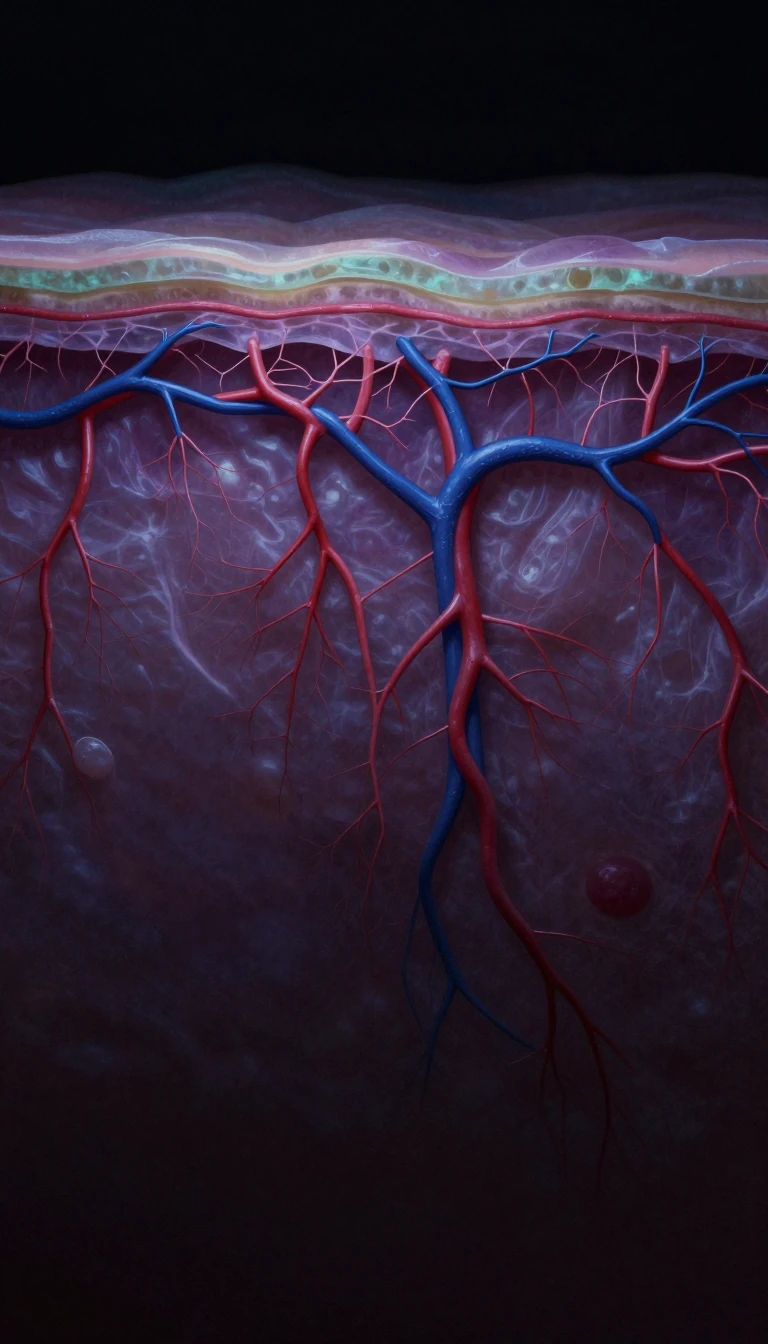
In short: Angiology, often called vascular medicine in the United States, is the branch of medicine focused on the circulatory and lymphatic systems. It manages everything from the aorta and arteries supplying your brain and organs to the veins and lymphatic vessels that keep your body's complex fluid network functioning properly.
At its core, angiology is the study of the vessels that transport blood and lymph throughout the human body. This medical specialty is tasked with preventing, diagnosing, and treating a vast array of conditions affecting these pathways. Arterial concerns range from life-threatening aortic aneurysms and dissections to issues in the arteries serving the kidneys, intestines, and limbs. Beyond these, the field addresses arterial thrombosis, embolism, various forms of vasculitis, and vasospastic disorders. By managing critical risk factors like high blood pressure and elevated cholesterol, angiologists play a vital role in preventing major cardiovascular events such as heart attacks and strokes.
The scope of the field extends deep into venous and lymphatic health. Specialists treat chronic venous insufficiency, varicose veins, and venous thrombosis. They also manage lymphedema, which can present in both primary and secondary forms. Because these systems are so interconnected, the specialty is inherently interdisciplinary, often requiring a deep understanding of how systemic health influences localized vessel function. Whether addressing a blockage in a leg artery or managing the long-term health of the lymphatic system, the goal remains the same: ensuring the integrity of the body's vital transport infrastructure.
Training for this specialty has become increasingly formalized over the last few decades. In Europe, the field gained significant momentum with the establishment of the European educational Working Group in 1991, which later evolved into the VAS Vascular Independent Research and Education European Organisation. Today, European practitioners can pursue various credentials, including the CESMA-UEMS European Diploma. In the United States, the path is similarly structured, with twelve NIH-funded three-year programs and independent fellowships available to cardiologists and internal medicine specialists. The American Board of Vascular Medicine administered its first board examinations in 2005, marking a milestone in the professionalization of the discipline and ensuring a high standard of care for patients with vascular disease.
Opens the Intellect+ feed with this card first. Swipe up for the next one.
Sources
- Summary by Intellect · source: Angiology
To cite this card, link to https://intellectplus.co.uk/app/health-angiology.
How we source, check and correct cards: Editorial standards.
General information, not professional advice. Spotted an error? Flag the card or see corrections and complaints.
Intellect Plus is a visual educational discovery platform for exploring fascinating facts and ideas. Brain Food, Not Brain Rot. What is Intellect Plus?
Related
More in Medical basics · More in Health · Latest · A–Z · All topics
