The genetic legacy of the Mongol Empire reveals a complex history of human migration.
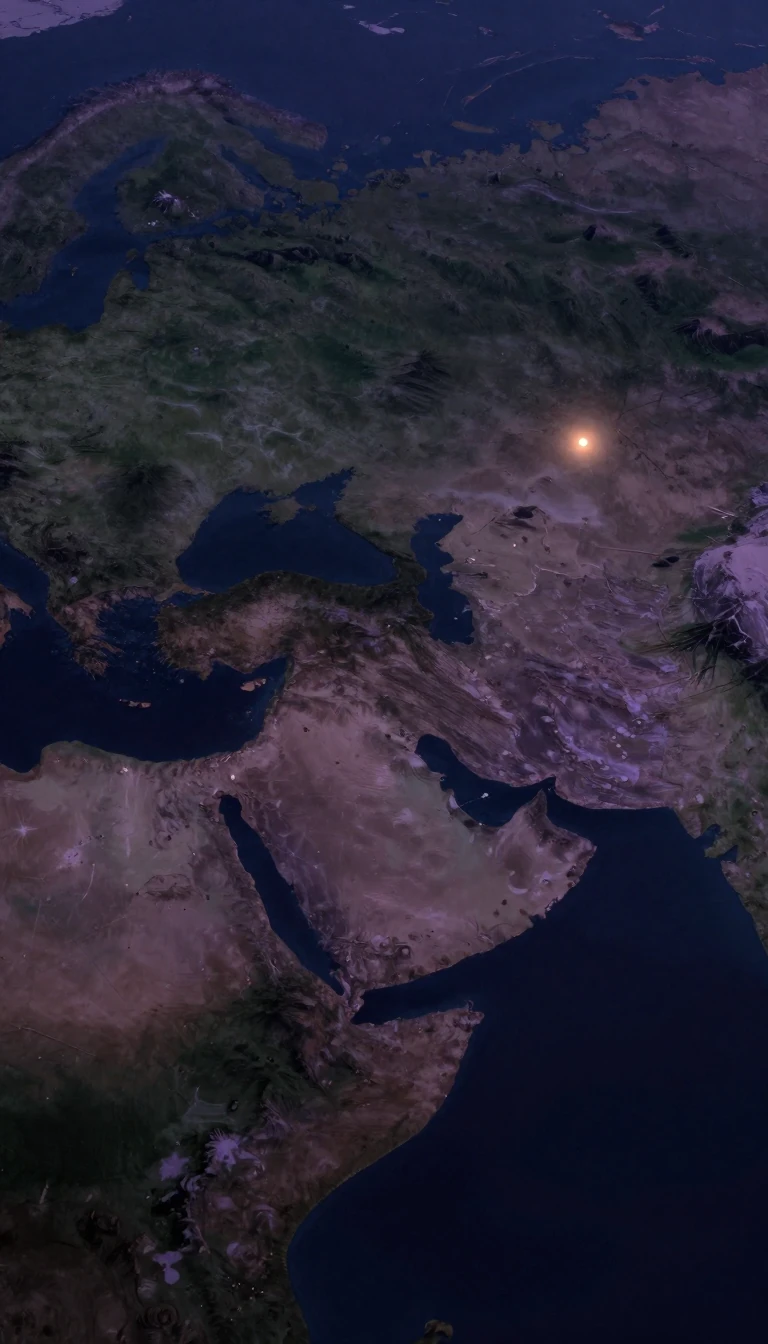
In short: Mongolic peoples share a deep, continuous genetic history rooted in ancient Northeast Asia, yet their modern diversity tells a story of vast expansion and cultural assimilation. From the steppes to the Mughals of India, their influence persists through a unique blend of nomadic traditions, linguistic shifts, and complex ancestral markers.
The origins of Mongolic peoples are traced back to Ancient Northeast Asian populations, with genetic continuity linked to specimens from the Amur region dating back 13,000 years. While their core ancestry remains Northeast Asian, their history is marked by significant interactions with Western Steppe Herders and Sinitic groups. Linguistic evidence suggests an origin in Western Manchuria, with early splits from Para-Mongolic groups like the Khitan. This heritage is shared across a wide geography, from the Kalmyks in Eastern Europe to the Hazaras in Afghanistan.
The medieval period, particularly under the Pax Mongolica, significantly reshaped the genetic landscape. Research indicates a continuous increase in East Asian mitochondrial lineages during this era. Genetic studies of modern Mongolians reveal a mixture of 55–64% Ancient Northeast Asian, 21–27% East Asian, and 15–18% Western Steppe Herder ancestry. Paternal diversity is dominated by Haplogroup C-M217, which shows star-like clusters of Y-STR haplotypes, suggesting that at least four major male ancestors influenced the Mongolian gene pool at different periods.
Cultural and political shifts often drove further diversification. Following the collapse of the Mongol Empire, many elites assimilated into Turkic cultures, adopting Islam while retaining Mongol institutions. This led to the formation of the Turco-Mongol elite, including the Mughals of India. Similarly, groups like the Hazaras and Aimaq reflect this history of assimilation. Today, while Mongolic peoples remain predominantly followers of Tibetan Buddhism—a tradition established as state religion in 1576—their cultural practices, such as the Naadam festival and traditional throat-singing, continue to reflect their enduring nomadic roots.
Opens the Intellect+ feed with this card first. Swipe up for the next one.
Sources
- Summary by Intellect · source: Mongolic peoples
To cite this card, link to https://intellectplus.co.uk/app/wars-mongolic-peoples.
How we source, check and correct cards: Editorial standards.
General information, not professional advice. Spotted an error? Flag the card or see corrections and complaints.
Intellect Plus is a visual educational discovery platform for exploring fascinating facts and ideas. Brain Food, Not Brain Rot. What is Intellect Plus?
Related
More in Medieval wars · More in Wars & Conflicts · Latest · A–Z · All topics
