The hidden mineral reservoir of the Arctic calving grounds
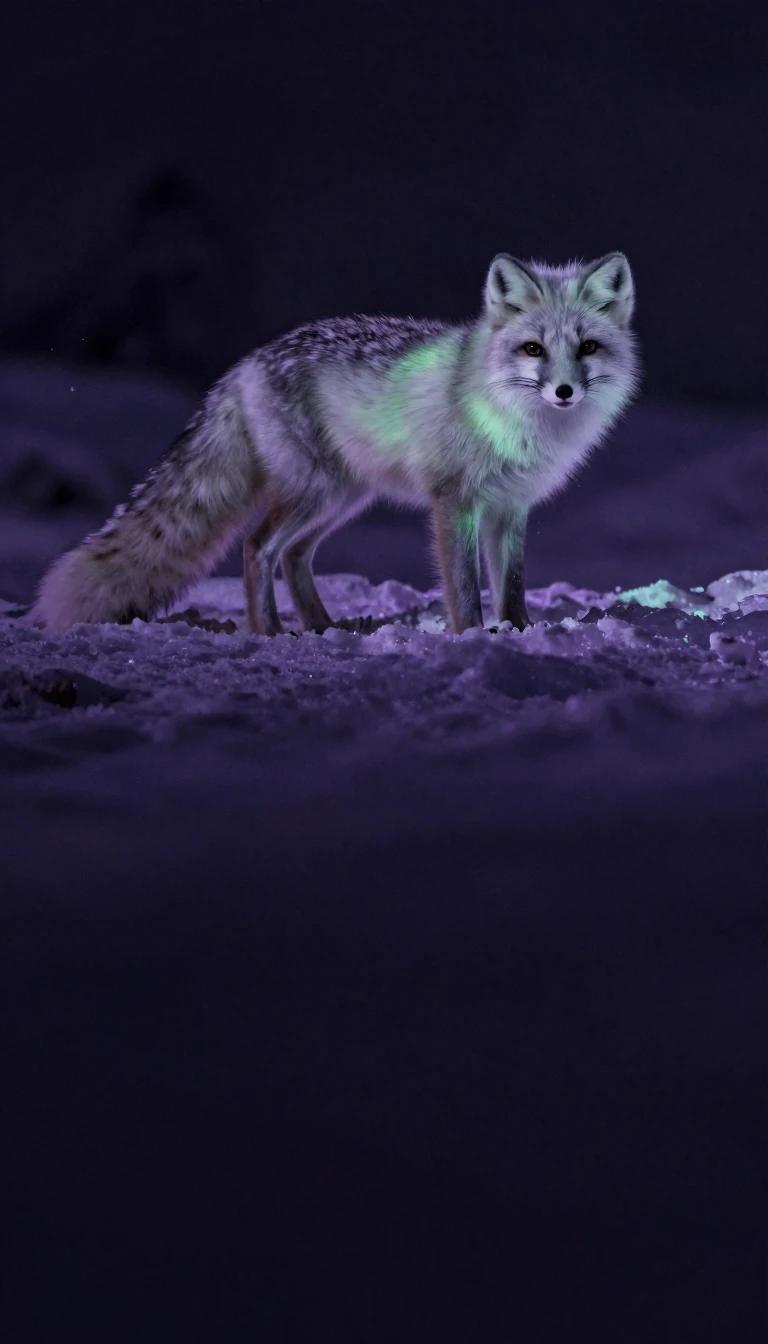
In short: In the nutrient-poor tundra of the Arctic National Wildlife Refuge, caribou have evolved a unique survival strategy. By consuming their own shed antlers, these animals unlock a vital reservoir of minerals that may be essential for the survival of their young during the critical calving season.
The Arctic National Wildlife Refuge (ANWR) serves as a critical breeding ground for the Porcupine caribou herd. In these harsh environments, nutrients like calcium and phosphorus are often scarce. Research on shed female caribou antlers and skeletal remains in the refuge reveals a fascinating behavior: caribou are the dominant modifiers of their own shed antlers, with 99% of modifications attributed to them. This suggests that caribou engage in osteophagy—the consumption of bone—to supplement their diet. This behavior is particularly significant because caribou are the only cervid species where females grow antlers, and they shed them within days of birthing their young on the calving grounds.
This synchronized shedding and consumption may be an evolutionary adaptation to support calf survival. By consuming antlers, caribou can access concentrated minerals during the post-calving interval. Furthermore, these antler accumulations may contribute to calving ground fidelity; by repeatedly shedding antlers in the same location, the herd establishes a predictable mineral reservoir in an otherwise nutrient-poor landscape. While carnivorans prefer skeletal bones from recently dead animals—which are rich in fats and soft tissues—caribou appear to prioritize the mineral content of the antlers.
However, these delicate ecological balances face increasing pressure from industrial activity. Proposed 3D-seismic surveys in northeast Alaska could create a grid of 63,000 km of seismic trails. Experts warn that these high-density trails, which involve larger crews and more vehicles than older 2D methods, could cause significant landscape damage. Specifically, approximately 122 km² of the area could sustain medium- to high-level disturbance. Because the permafrost is ice-rich and the topography is hilly, winter vehicle traffic can trigger thermokarst and erosion, potentially degrading the very landscape the caribou rely on for their mineral resources.
Opens the Intellect+ feed with this card first. Swipe up for the next one.
Sources
- Summary by Intellect · source: Landscape impacts of 3D-seismic surveys in the Arctic National Wildlife Refuge, Alaska.
- Also: Arctic National Wildlife Refuge
- Also: A Gnawing Question: How Do Caribou and Other Arctic Mammals Exploit Shared Bone Resources?
To cite this card, link to https://intellectplus.co.uk/app/health-arctic-national-wildlife-refuge.
How we source, check and correct cards: Editorial standards.
General information, not professional advice. Spotted an error? Flag the card or see corrections and complaints.
Intellect Plus is a visual educational discovery platform for exploring fascinating facts and ideas. Brain Food, Not Brain Rot. What is Intellect Plus?
Related
More in Animal behaviour · More in Nature · Latest · A–Z · All topics
