Your B cells are highly specialized biological machines that recognize one specific foreign threat.
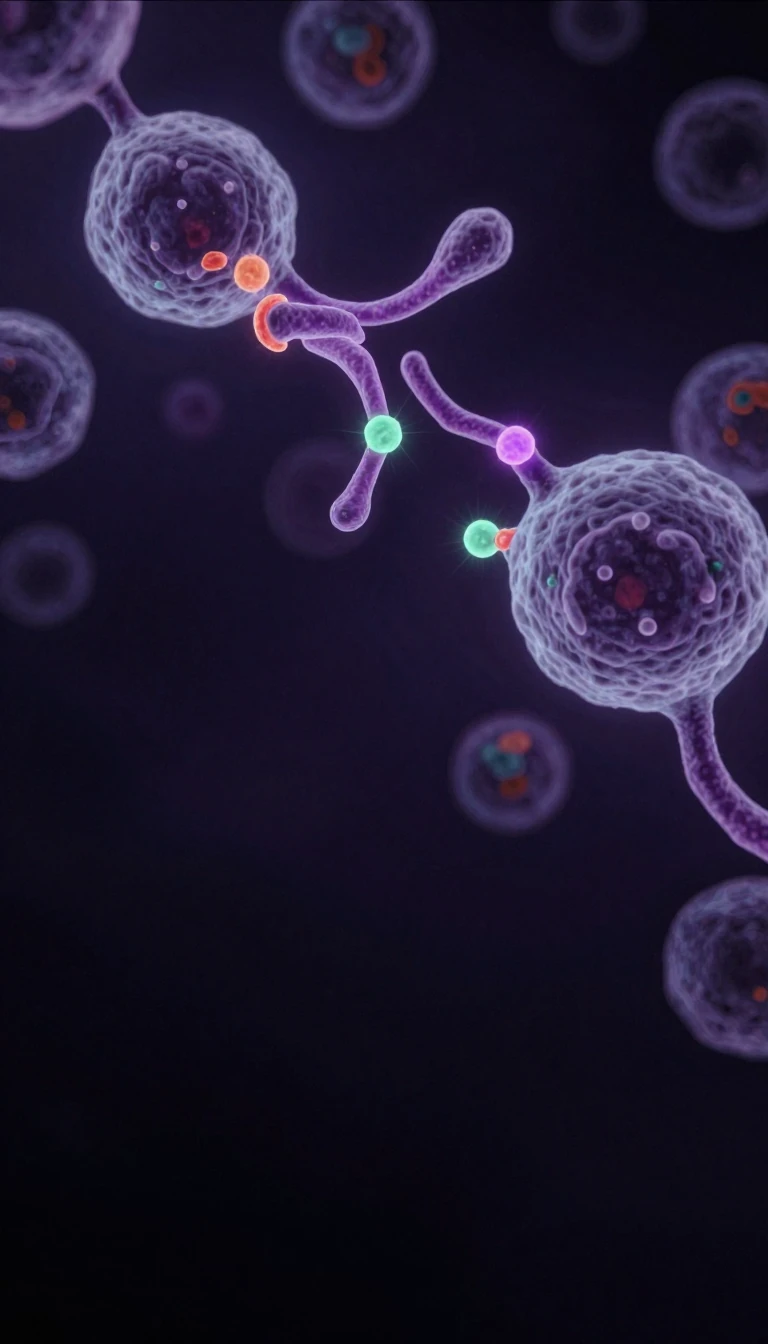
In short: B cells are the immune system's precision engineers. Each one is programmed to detect only a single type of antigen, using surface receptors that act like custom-fit puzzle pieces. When they find their match, they transform into factories, churning out millions of antibodies to neutralize invaders throughout your body.
B cells, or B lymphocytes, are the architects of humoral immunity. Unlike T cells, which operate differently, B cells specialize in producing antibodies—protective proteins that identify and neutralize foreign substances like toxins or pathogens. Each B cell carries unique antigen receptors on its surface. These receptors are essentially antibodies anchored to the cell membrane, designed to bind only to a specific portion of an antigen known as an epitope. This interaction is highly selective; if the receptor and the epitope are structurally complementary, they lock together like puzzle pieces, triggering the B cell to activate.
Once activated, a B cell undergoes a dramatic transformation. It divides and matures into a clone of identical cells, specifically plasma cells. These plasma cells act as high-output manufacturing plants, secreting millions of antibodies into the bloodstream and lymphatic system. These antibodies circulate for months, providing extended protection. They neutralize invaders by binding to them, which can directly immobilize microbes or alter the chemical composition of toxins. In some cases, antibodies recruit complement proteins to burst the invading microbe or signal scavenger cells to ingest the threat.
The development of these cells is a rigorous process. In mammals, B cells originate from hematopoietic stem cells in the bone marrow. During maturation, they undergo selection processes to ensure they do not attack the body's own tissues—a state known as central tolerance. Once mature, they migrate to secondary lymphoid organs like the spleen or lymph nodes, where they wait to encounter their specific antigen. Recent research into proteins like SorLA has revealed that the internal trafficking of these receptors is critical; if the machinery that processes captured antigens fails, the entire immune response, including the production of plasma cells, can be significantly impaired.
While B cells are essential for health, their complexity is also a window into disease. Conditions like diffuse large B-cell lymphoma (DLBCL) demonstrate how molecular heterogeneity—variations in genetic and transcriptomic profiles—can drive different levels of biological aggressiveness. By integrating phenotypic and genomic data, researchers are beginning to map these pathways, highlighting how the same cellular mechanisms that protect us can, when dysregulated, lead to malignancy.
Opens the Intellect+ feed with this card first. Swipe up for the next one.
Sources
- Summary by Intellect · source: B cell | Description, Types, & Function | Britannica
- Also: B cell
- Also: SorLA regulates B cell receptor uptake, trafficking, and B cell-mediated immune responses in vivo.
- Also: Decoding the Heterogeneity of Diffuse Large B-Cell Lymphomas: A Comprehensive Genetic, Transcriptomic, and Phenotypic Profiling of B-Cell Lymphoma Cell Lines.
To cite this card, link to https://intellectplus.co.uk/app/health-b-cell.
How we source, check and correct cards: Editorial standards.
General information, not professional advice. Spotted an error? Flag the card or see corrections and complaints.
Intellect Plus is a visual educational discovery platform for exploring fascinating facts and ideas. Brain Food, Not Brain Rot. What is Intellect Plus?
Related
More in Anatomy and morphology · More in Health · Latest · A–Z · All topics
