The first organic movement was rooted in mystical 'cosmic forces'
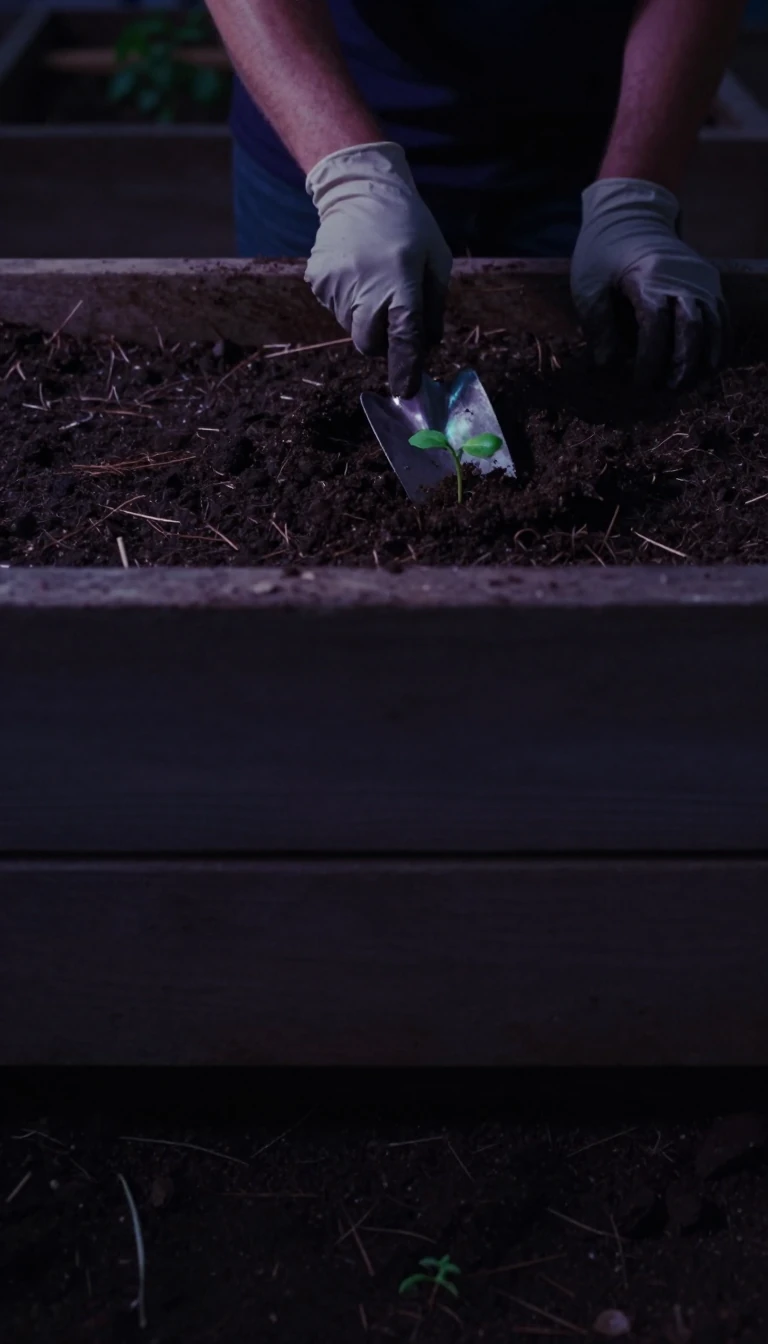
In short: Before it was a mainstream organic standard, biodynamic farming emerged as an esoteric philosophy treating the farm as a living organism. While it shares many practices with modern organic methods, its origins lie in spiritual lectures and rituals—like burying quartz in cow horns—to harvest celestial energy for the soil.
Biodynamic agriculture was established in 1924 by philosopher Rudolf Steiner. It was the first modern organic movement, born from a response to farmers noticing degraded soil and declining livestock health due to chemical fertilizers. Steiner proposed treating soil fertility, plant growth, and animal care as an interconnected system governed by spiritual and mystical perspectives. This approach views the farm not just as a production site, but as a self-contained organism with its own individuality.
The practice incorporates unique rituals that lean toward 'sympathetic magic' rather than standard agronomy. These include using astrological calendars for sowing and preparing field sprays from herbal and mineral additives. One notable method involves burying ground quartz inside cow horns to capture what practitioners believe are "cosmic forces" in the soil. Despite these esoteric roots, biodynamics shares core pillars with organic farming: it excludes synthetic pesticides and fertilizers while emphasizing local production, traditional breeds, and nutrient recycling through manure and compost.
Scientific scrutiny of biodynamic results is mixed. While some studies show no established difference in outcomes between biodynamic and other organic practices, others highlight specific environmental benefits. For example, a five-year study on four different crops showed that biodynamic practices reduced soil bulk density and increased water holding capacity compared to conventional farming. Furthermore, research on fireweed leaves indicated that biodynamically grown plants could yield significantly higher levels of β-carotene—up to 49.7% more than organic or natural counterparts—suggesting that cultivation methods can influence specific bioactive profiles.
Today, the movement is a global presence, with techniques used across 65 countries as of 2022. Germany leads production, accounting for 42% of the global total. While critics label it a pseudoscience due to its reliance on mystical beliefs, proponents point to its resilience against climate change and its role in fostering diverse biospheres.
Opens the Intellect+ feed with this card first. Swipe up for the next one.
Sources
- Summary by Intellect · source: Biodynamic agriculture
- Also: Effect of type of farming practices on the soil carbon sequestration and yield of some crops.
- Also: Distinct Nutritional Profiles of Fermented <i>Chamerion angustifolium</i> from Natural, Organic, and Biodynamic Cultivation Systems: Evidence from a Four-Year Study.
To cite this card, link to https://intellectplus.co.uk/app/health-biodynamic-agriculture.
How we source, check and correct cards: Editorial standards.
General information, not professional advice. Spotted an error? Flag the card or see corrections and complaints.
Intellect Plus is a visual educational discovery platform for exploring fascinating facts and ideas. Brain Food, Not Brain Rot. What is Intellect Plus?
Related
More in Nutrition · More in Health · Latest · A–Z · All topics
